



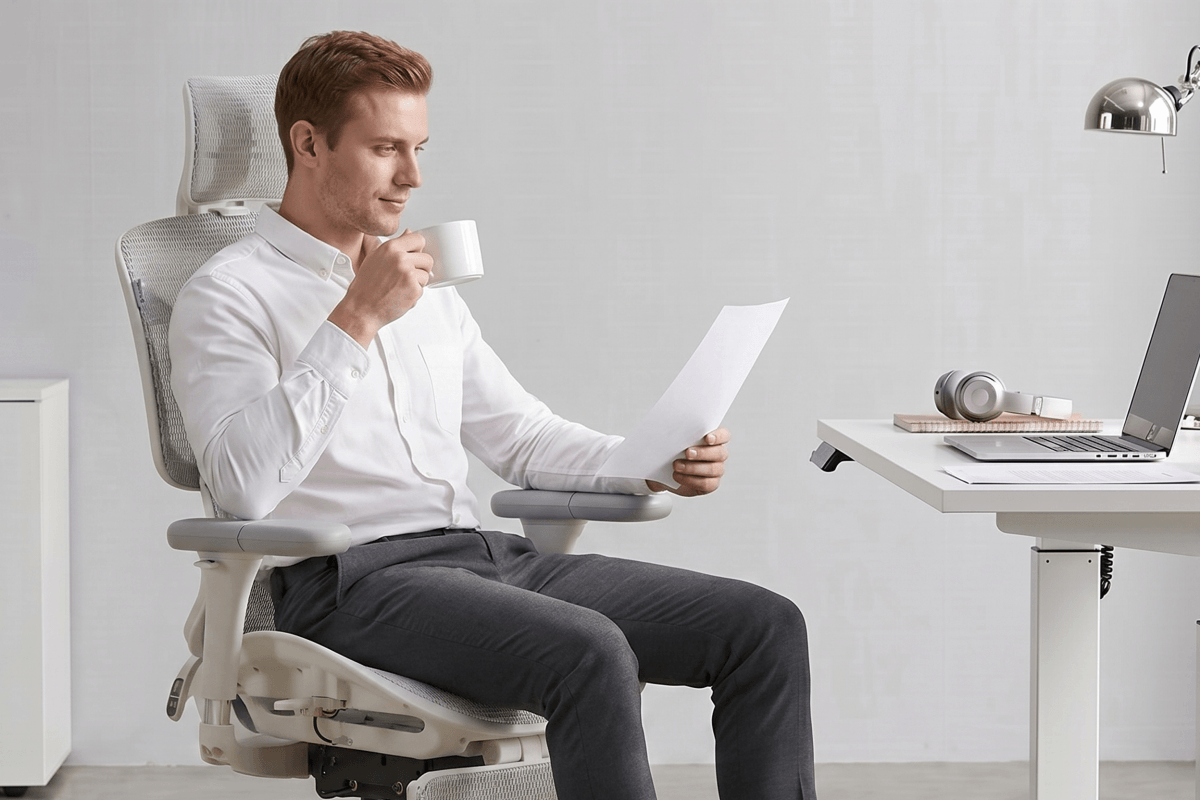
Most people spend 6–10 hours a day sitting at their desk, yet rarely stop to ask a key question: Is my office chair still supporting me properly?
Over time, even a decent chair can lose its ergonomic performance—or simply stop fitting your body needs. That’s when back pain, stiffness, and fatigue start to show up.
This checklist will help you evaluate your current office chair, spot warning signs, and decide whether it’s time to upgrade to a better ergonomic office chair designed for long-term comfort and productivity.
1. Do You Feel Back or Neck Pain After Work?
One of the most common signs of a poor chair is daily discomfort.
Ask yourself:
- Do you feel lower back pain after long sitting hours?
- Is your neck stiff after work?
- Do you naturally lean forward or slouch?
If yes, your chair likely lacks proper lumbar support or adjustability.
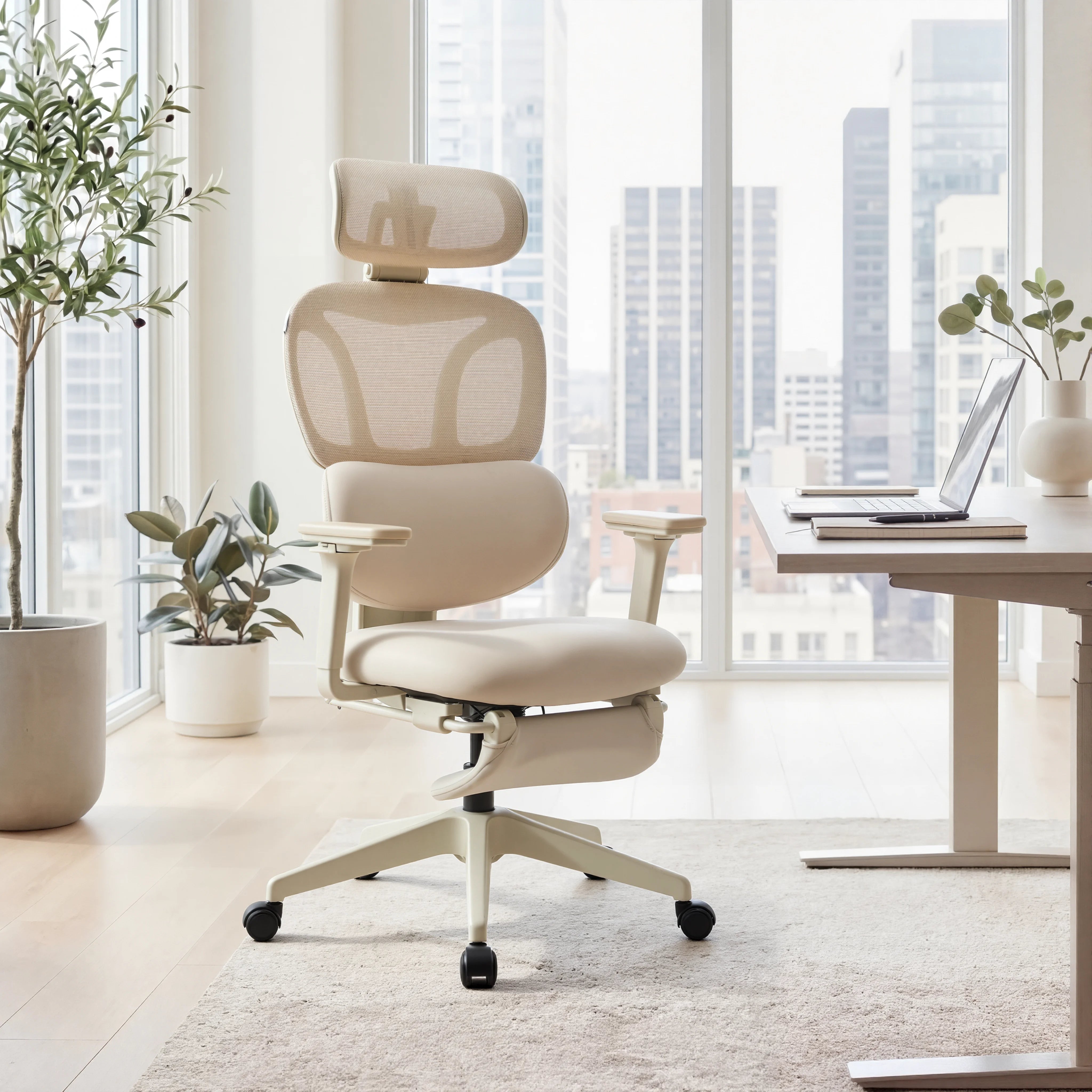
A well-designed ergonomic chair should support the natural curve of your spine and reduce pressure on your lower back. Advanced ergonomic models like the S9 Pro ergonomic office chair are designed to provide adaptive lumbar support that helps reduce strain during long working hours.
2. Can You Adjust It to Fit Your Body?
A good office chair should adapt to you—not force you to adapt to it.
Key features to check:
- Adjustable seat height
- Adjustable armrests
- Reclining backrest
- Seat depth control
If your chair only has basic height adjustment, it may not be suitable for long-term daily use.
Modern ergonomic chairs offer multi-directional adjustments, including 3D or 6D armrests, helping reduce shoulder and wrist pressure while improving typing and working posture.
3. Do You Feel Tired After Sitting Too Long?
If you feel drained even without physical activity, your chair might be part of the problem.
Poor posture can reduce circulation and force your muscles to work harder than necessary, leading to fatigue.
A proper ergonomic office chair helps:
- Improve blood circulation
- Support spinal alignment
- Reduce muscle tension
- Increase focus and productivity
Upgrading your chair can noticeably improve daily energy levels.
4. Is Your Chair Still Comfortable After Long Hours?
A chair that feels fine for 1 hour but uncomfortable after 5–8 hours is not truly ergonomic.
Warning signs include:
- Constant shifting
- Pressure on hips or thighs
- Hard or flat cushioning
- Slouching over time
High-quality ergonomic chairs use advanced foam and breathable materials to maintain comfort during long sitting sessions.
5. Does It Support Your Work Style?
Modern work is dynamic. You don’t sit in one position all day.
You may:
- Type for long hours
- Join video meetings
- Lean back to think
- Shift positions frequently
A rigid chair limits movement and forces poor posture.
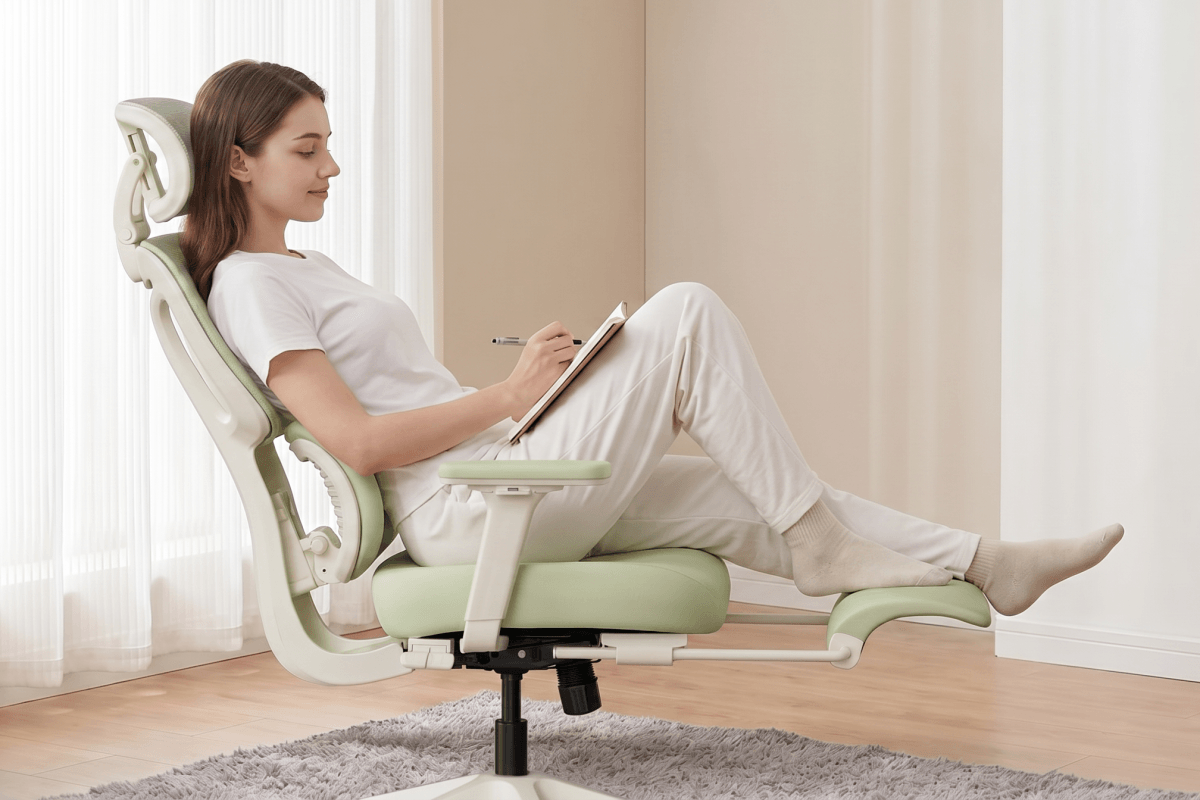
A modern ergonomic chair should support multiple sitting positions with smooth reclining, flexible tilt, and adaptive armrests.
6. Is Your Chair Worn Out?
Sometimes the issue is simply wear and tear.
Look for:
- Flattened cushion
- Loose structure
- Squeaking sounds
- Worn upholstery
Even if it still “works,” an old chair often no longer provides proper ergonomic support.
7. Does It Meet Modern Ergonomic Standards?
Ergonomic design has improved significantly in recent years.
Older chairs often lack:
- Dynamic lumbar support
- Multi-angle adjustment systems
- Breathable mesh or premium cushioning
- Advanced armrest flexibility
If your chair is more than a few years old, it may already be outdated compared to modern ergonomic office chairs.
When Should You Upgrade Your Office Chair?
If you answered “yes” to any of the following, it may be time to upgrade:
- You experience back or neck discomfort
- Your chair has limited adjustability
- You feel tired after long sitting hours
- Comfort decreases over time
- Your chair shows visible wear
- It no longer fits your work habits
Upgrading your chair is not just about comfort—it directly impacts posture, health, and productivity.
Recommended Ergonomic Chair Features
When choosing a new ergonomic office chair, look for:
- Strong lumbar support system
- Full-body adjustability
- Long-hour comfort design
- Durable build quality
- Breathable materials
For example, the S9 Pro ergonomic office chair is designed with advanced adjustability and ergonomic support systems, making it suitable for long working hours, remote work, and home office setups.

Final Thoughts
Your office chair is one of the most important tools in your daily life, yet it’s often ignored.
If your current chair no longer supports your posture or comfort, it may be affecting your health and productivity more than you realize.
Use this checklist regularly to evaluate your setup. And when needed, upgrading to a high-quality ergonomic office chair can make a real difference in how you feel and perform every day.
A better chair doesn’t just improve comfort—it improves your entire work experience.


Laisser un commentaire
Ce site est protégé par hCaptcha, et la Politique de confidentialité et les Conditions de service de hCaptcha s’appliquent.