

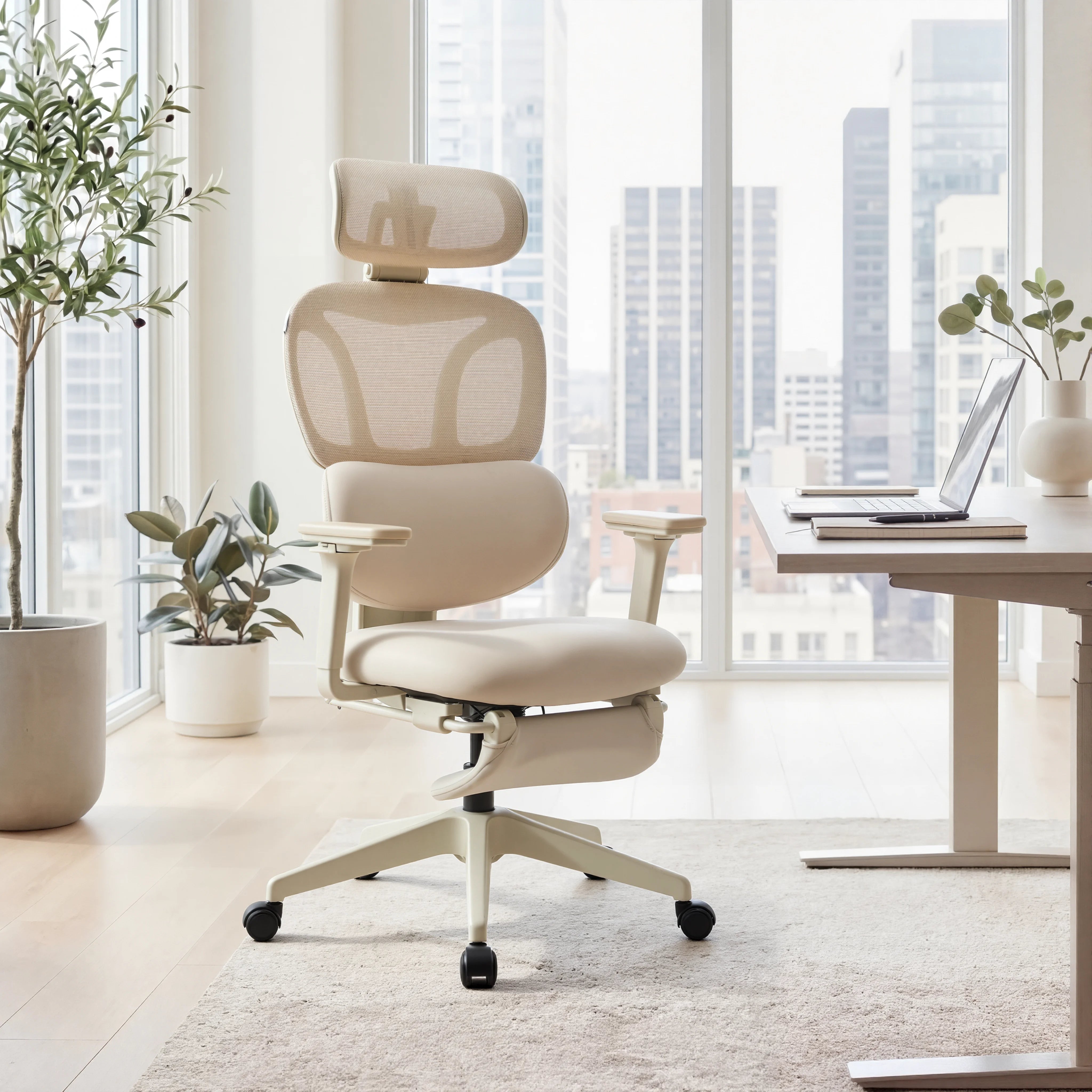

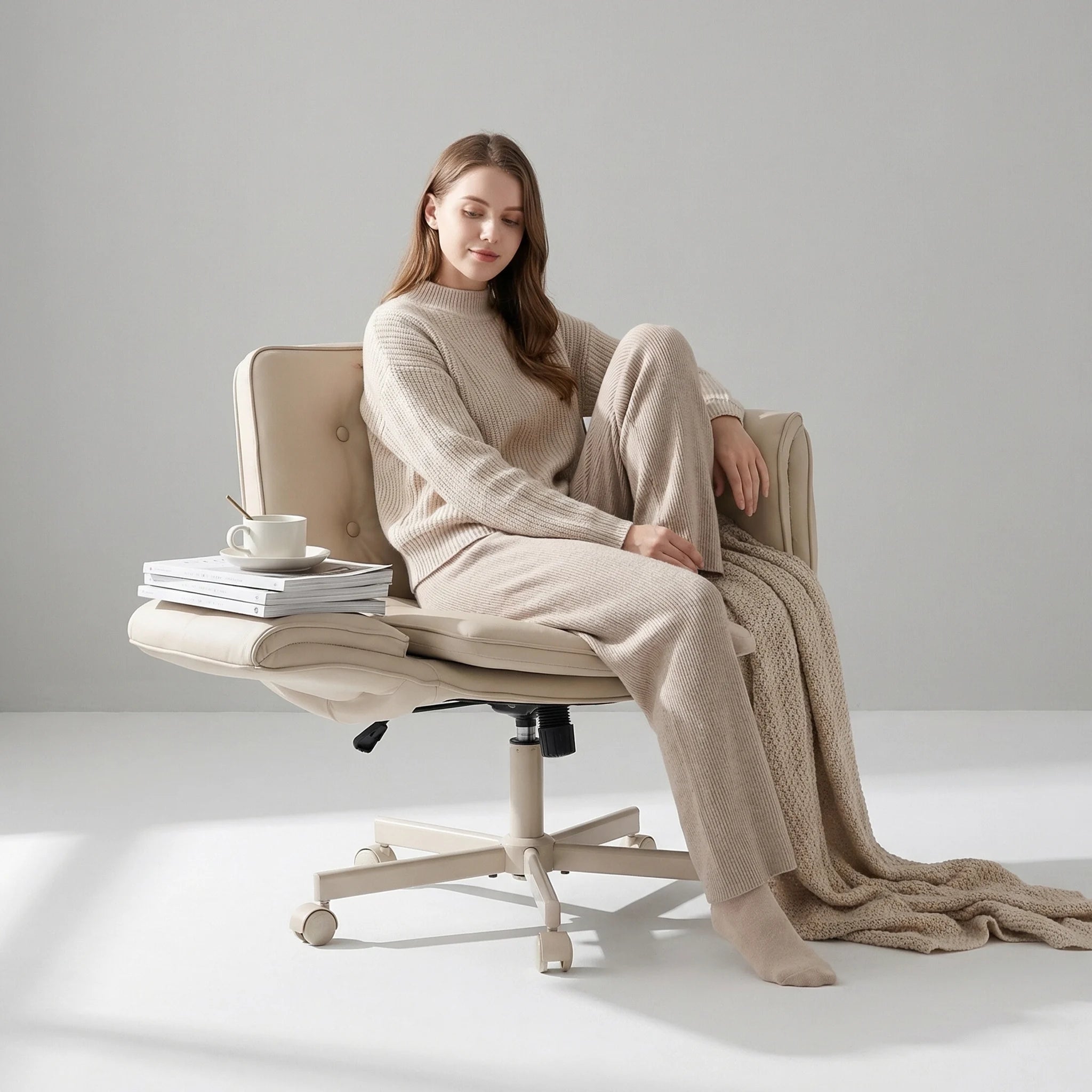
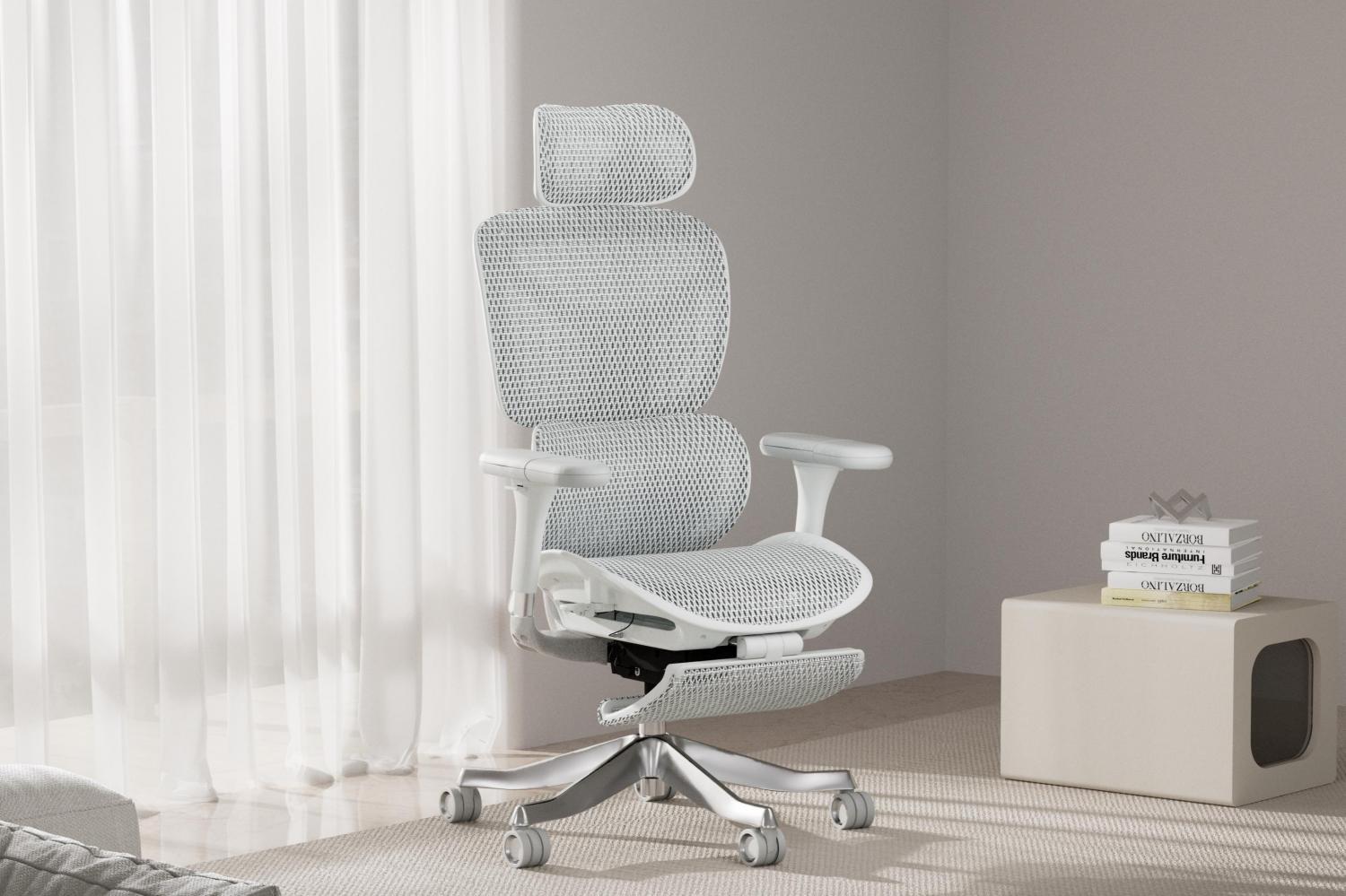
When shopping for an office chair, most people focus on lumbar support, seat comfort, or premium materials like leather or mesh. But there’s one small detail that often gets overlooked—and it plays a bigger role than you might expect: chair casters (wheels).
The truth is, your chair’s wheels directly affect how your workspace feels day to day. From how smoothly you move, to how much noise you make, to whether your floors stay scratch-free—casters quietly shape your entire experience.
In this guide, we’ll break down why chair casters matter, and how choosing the right ones can upgrade your comfort, protect your floors, and create a quieter workspace.
Why Chair Wheels Are More Important Than You Think
Chair casters are the only part of your chair that actually touches the ground. That means they influence:
- Movement and mobility
- Noise levels
- Floor protection
- Overall comfort
Low-quality casters often lead to friction, resistance, and noise. Over time, they can even damage your flooring or make your chair feel unstable.
On the other hand, high-quality office chair casters can make your chair glide effortlessly—improving both comfort and productivity.
Quiet Rolling: A Better Work Environment
The Problem with Noisy Chair Wheels
If your chair makes clicking, rattling, or squeaking sounds when you move, you’re not alone. This usually comes from:
- Hard plastic wheels
- Poor internal bearings
- Worn-out casters
These noises can be especially frustrating if you:
- Work from home
- Take frequent video calls
- Share a workspace
- Work late at night
Why Silent Casters Matter
Upgrading to quiet chair casters can instantly improve your environment.
Modern silent office chair wheels are designed with:
- Precision ball bearings for smoother motion
- Soft materials like polyurethane
- Shock-absorbing construction
The result is smooth, near-silent rolling that helps you stay focused and minimizes distractions for others around you.
Floor Protection: Prevent Scratches and Damage
How Standard Casters Damage Floors
Traditional chair wheels—especially hard plastic ones—can gradually damage your flooring. Common issues include:
- Scratches on hardwood floors
- Scuff marks on tiles
- Wear patterns on laminate
- Snagging or tearing on carpets
This kind of damage isn’t always noticeable at first, but it builds up over time.
Floor-Friendly Casters Make a Difference
High-quality floor protection chair wheels are designed to be gentle on surfaces.
They typically feature:
- Soft, non-marking materials
- Even weight distribution
- Smooth rolling to avoid dragging
For example:
- Hardwood floors: Best with soft PU (polyurethane) casters
- Tile floors: Benefit from shock-absorbing wheels
- Carpet: Needs larger, durable casters for easier movement
Choosing the right wheels can extend the life of your flooring and eliminate the need for costly repairs.
Types of Chair Casters Explained
Not all chair wheels are created equal. Understanding the differences can help you choose the best option.
1. Hard Plastic Casters
These are the most common standard wheels.
- Durable but often noisy
- Can scratch hard floors
- Less smooth movement
2. Polyurethane (PU) Casters
One of the most popular upgrades.
- Quiet and smooth rolling
- Safe for hardwood and tile
- Non-marking and durable
3. Rubber Casters
Designed for maximum noise reduction.
- Extremely quiet
- Good grip and control
- Slightly higher rolling resistance
4. Rollerblade-Style Casters
A modern upgrade option.
- Larger wheels for smoother motion
- Stylish design
- Great for both hard floors and carpets
These are often considered the best chair casters for hardwood floors and mixed surfaces.
How to Choose the Best Chair Casters
Choosing the right casters depends on your specific setup.
1. Match Your Floor Type
- Hardwood or laminate → Soft PU wheels
- Tile → Shock-absorbing casters
- Carpet → Larger, heavy-duty wheels
2. Prioritize Noise Reduction
If quiet matters, look for:
- “Silent rolling” or “noise-reducing” features
- PU or rubber materials
- High-quality bearings
3. Check Weight Capacity
Make sure the casters can support your chair and daily use—especially for heavier executive chairs.
4. Look for Smooth Mobility
Good casters should:
- Roll effortlessly
- Rotate 360° smoothly
- Avoid sticking or sudden stops
Common Problems Caused by Poor Casters
If your chair doesn’t feel right, the wheels might be the issue.
Here are some common problems:
Jerky Movement
Low-quality wheels can get stuck or roll unevenly.
Excessive Noise
Squeaking and clicking can disrupt your workflow.
Floor Damage
Scratches and dents from hard materials.
Reduced Stability
Worn-out casters can affect balance and posture.
Do You Need a Chair Mat?
Chair mats are often used to protect floors—but they’re not always necessary.
When a Chair Mat Helps
- Very soft or thick carpet
- Heavy daily use
- Extra floor protection needed
When You Can Skip It
- Using high-quality rollerblade chair wheels
- Working on hardwood or tile
- Wanting a cleaner, more minimal setup
With the right casters, many users find they no longer need a mat at all.
Upgrading Your Chair Wheels: A Small Change, Big Impact
One of the easiest ways to improve your office setup is upgrading your chair casters.
You don’t need a new chair—just better wheels.
Benefits of Upgrading
- Quieter workspace
- Better floor protection
- Smoother movement
- Enhanced comfort
It’s a simple, cost-effective upgrade that delivers immediate results.
Final Thoughts
Chair casters may seem like a small detail, but they play a big role in your daily comfort.
The right office chair wheels help you move smoothly, reduce noise, and protect your floors—all while improving your overall experience.
If your chair feels noisy, rough, or damaging to your space, upgrading your casters could be the easiest fix.



Laisser un commentaire
Ce site est protégé par hCaptcha, et la Politique de confidentialité et les Conditions de service de hCaptcha s’appliquent.