



Europe’s 40°C Workdays: Why Office Chairs Are Suddenly Part of Heat Survival Strategy
This summer, many parts of Europe have already experienced extended periods of extreme heat, with temperatures reaching around 40°C in several regions. Offices continue operating as usual—deadlines remain unchanged, schedules stay in place—but the experience of working through the day has noticeably shifted.

What has changed is not just the temperature itself, but the way it interacts with modern work habits.
In particular, one factor is often overlooked:
How long people remain seated in the heat.
This combination—high temperature and prolonged sitting—creates a type of fatigue that builds gradually throughout the day and often becomes noticeable only in the afternoon.
When Sitting Stops Being “Neutral”
Sitting is generally considered a low-effort posture. But under sustained high temperatures, that assumption becomes less accurate.
After extended periods, many workers notice subtle changes:
- Lower back feels heavier
- Focus becomes harder to maintain
- Frequent posture adjustments
- Energy drops earlier than expected
These are not always signs of overwork. More often, they reflect how the body responds to heat stress combined with static sitting.
Over time, this creates a slow but steady decline in efficiency.

Why Chair Materials Suddenly Matter in Summer
In normal conditions, chair material is mostly about preference. In heatwave conditions, it directly affects how the body handles long sitting hours.
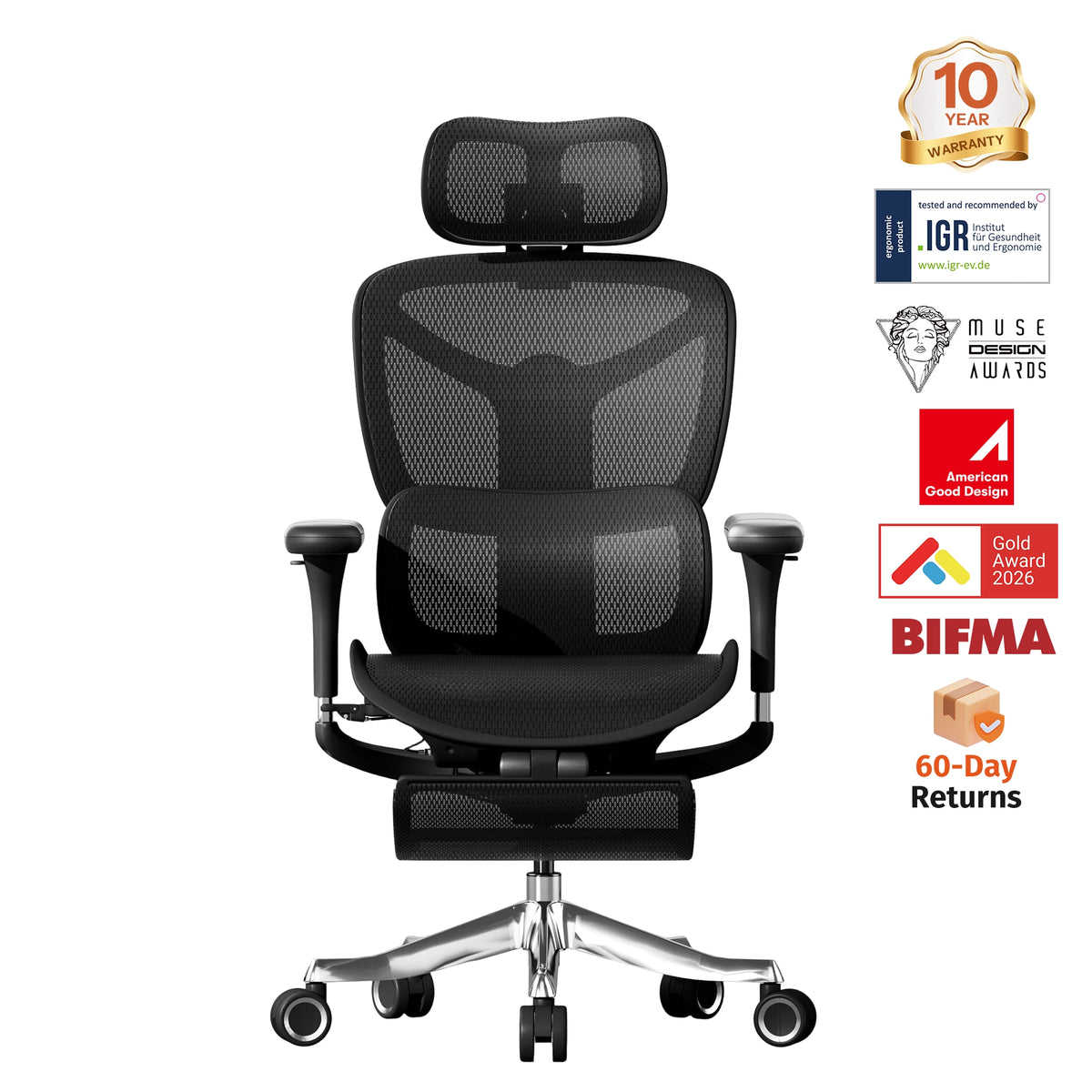
Mesh surfaces
Mesh-based chairs typically:
- Allow airflow through the back and seat
- Reduce heat buildup at contact points
- Help moisture evaporate more easily
- Maintain more stable comfort during long use
They don’t cool the body, but they reduce trapped heat.
Foam + leather surfaces
Traditional padded or leather chairs behave differently:
- Heat accumulates at contact areas
- Surface temperature gradually increases
- Moisture is harder to release
- Comfort declines during long sessions
The result is a slow build-up of warmth that becomes noticeable over time.
It’s not about “premium vs basic”—it’s about how materials react to heat.
Focus Loss Often Starts with Physical Discomfort
Heat-related productivity issues are often described as concentration problems. In reality, it usually starts much earlier.
When the body becomes slightly uncomfortable:
- People shift positions more often
- Attention breaks happen more frequently
- Deep focus becomes harder to sustain
- Work feels mentally heavier than usual
These effects are small individually, but they accumulate across the day and reduce overall productivity.
Heat + Posture Stress: The Overlapping Load
Two types of strain occur at the same time in hot office environments:
Thermal load
The body is continuously regulating internal temperature.
Postural load
Long sitting places pressure on:
- Lower back
- Neck and shoulders
- Hips
Individually manageable—but together they reinforce each other.
The combined effect is simple:
Heat increases physical effort, while sitting reduces recovery.
This overlap explains why fatigue appears earlier during hot workdays.
What Changes When Ergonomics Is Designed for Heat
In heat conditions, ergonomic design is not only about posture support. It also affects how efficiently the body uses energy during long sitting periods.
Key priorities include:
- Reducing pressure at contact points
- Supporting the spine without muscle overcompensation
- Allowing natural micro-movements
- Improving airflow in seating areas
The goal is straightforward:
Less unnecessary body effort means more energy left for focus.
A Practical Example: Welax S9 Pro in Daily Work Use
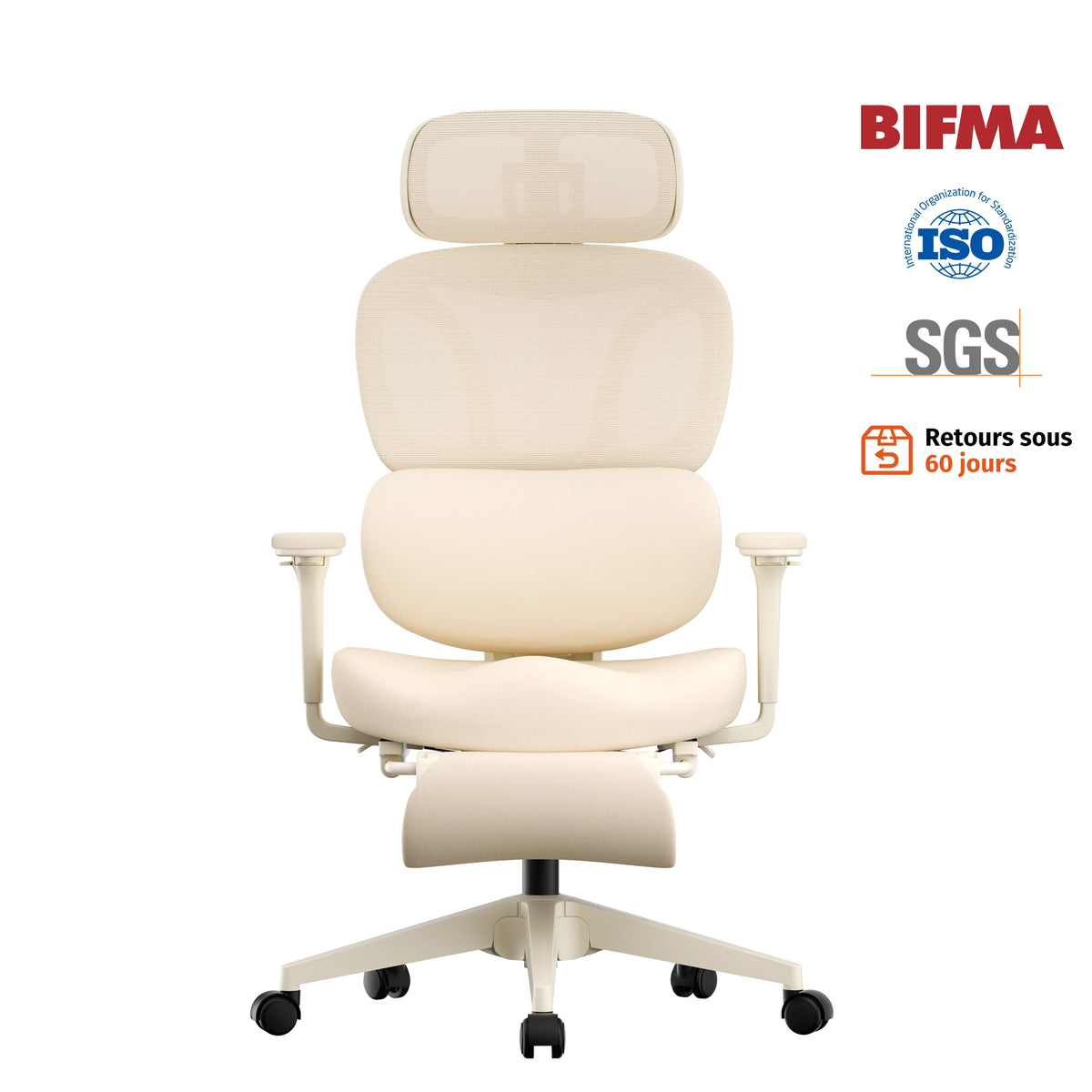
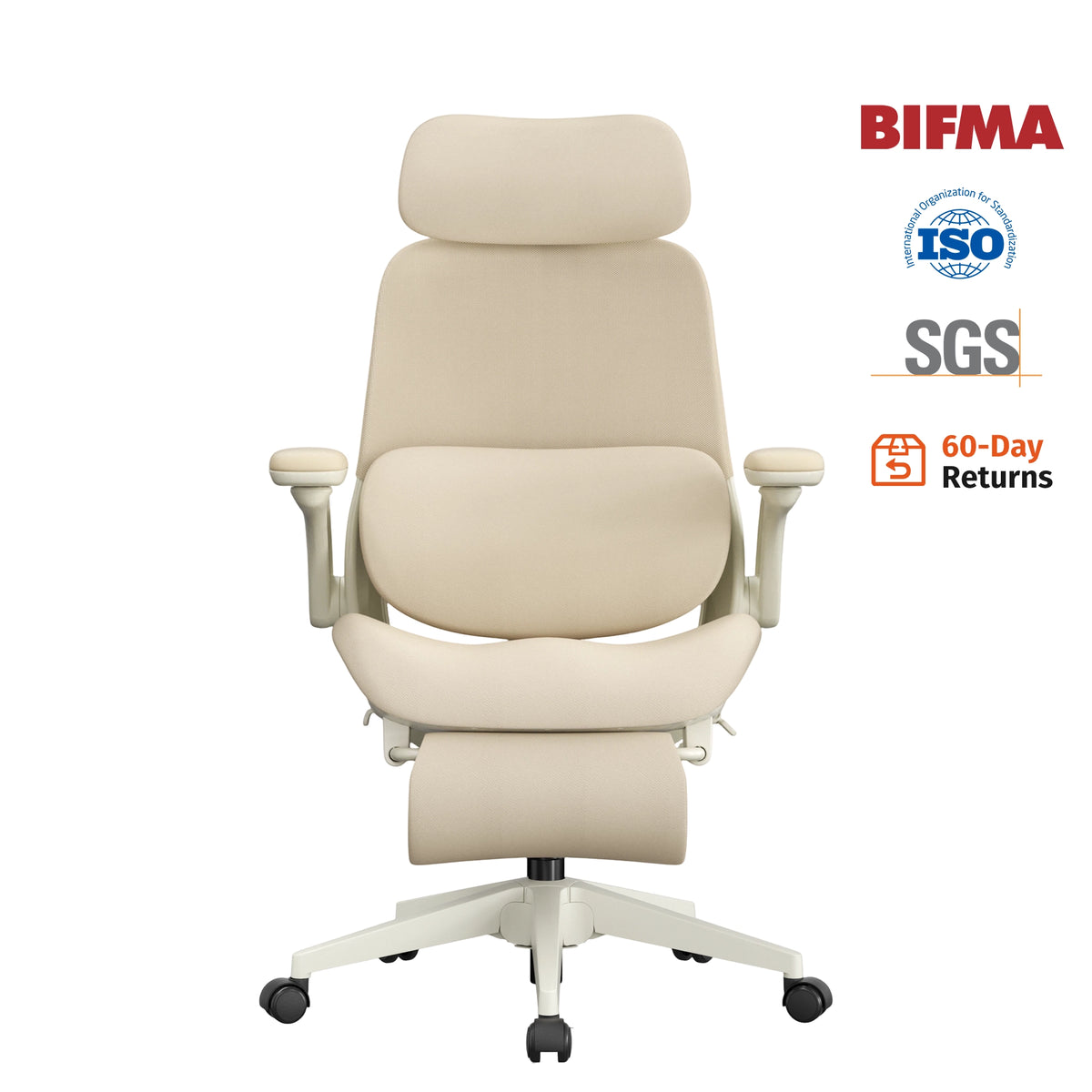
One example of an ergonomic solution designed for long-hour desk work is the Welax S9 Pro Ergonomic Chair:
Rather than being positioned as a seasonal chair, it is built for consistent daily use under demanding conditions.
Key characteristics include:
- Breathable structure that helps reduce heat buildup during long sitting
- Lumbar support that stabilizes posture without constant adjustment
- Balanced seat design that distributes pressure more evenly
In everyday use, the effect is often subtle but consistent: fewer posture corrections, more stable sitting time, and reduced mid-day fatigue buildup.
Small Habits That Matter More in Hot Offices
Even with better seating, daily habits still influence comfort during heatwaves.
1. Avoid staying in one position too long
Small posture changes help maintain circulation and reduce stiffness.
2. Take short movement breaks
Standing up briefly every hour helps reset physical tension.
3. Stay consistently hydrated
Even mild dehydration can reduce focus before it becomes noticeable.
The Bigger Shift: Workplaces Are Quietly Adapting to Heat
What’s happening is not a short-term adjustment, but a gradual shift in how workplaces function.
Air conditioning alone is no longer enough.
Comfort and productivity now depend on multiple layers:
- Temperature control
- Seating design and materials
- Posture support systems
- Movement patterns during work
- Heat interaction with the human body
In this system, the office chair is no longer just furniture. It becomes part of how the body handles environmental stress.
Closing Thought
When temperatures reach 40°C, productivity is no longer defined only by workload or discipline.
It is also shaped by how efficiently the body can handle long hours of sitting under heat.
A chair like the Welax S9 Pro does not change the weather—but it can reduce unnecessary physical strain during it.
And in long summer workdays, that often shows up in a simple way:
less fatigue, steadier focus, and a more manageable work rhythm.


Leave a comment
This site is protected by hCaptcha and the hCaptcha Privacy Policy and Terms of Service apply.