



Heatwave Work Survival Guide: How Ergonomic Chairs Reduce “Thermal Fatigue” in 40°C Offices
In recent summers, multiple regions have experienced severe heatwaves pushing temperatures close to or above 40°C (104°F). According to various media reports, these extreme conditions are no longer rare events—they are becoming a recurring summer pattern that affects daily life, workplace comfort, and productivity.

One of the most overlooked impacts of extreme heat is how it interacts with sedentary office work.
While air conditioning helps regulate temperature indoors, long hours of sitting introduce another layer of physical stress that often goes unnoticed: thermal fatigue.
Thermal fatigue is not just feeling “hot and tired.” It is the combined effect of:
- Heat stress on the body
- Reduced circulation from long sitting
- Muscle fatigue from static posture
- Increased energy consumption for basic stabilization
In this environment, the workplace chair becomes more than furniture—it becomes part of your body’s heat and energy regulation system.
1. Heatwaves and Productivity Loss: What Media Reports Highlight
Media coverage of recent heatwaves consistently highlights three major workplace impacts:
- Reduced concentration and cognitive performance
- Increased fatigue and discomfort during working hours
- Higher risk of heat stress symptoms in indoor environments
Even in air-conditioned offices, temperature instability and long sedentary hours create hidden productivity loss.
Workers may not always feel “unwell,” but they often experience:
- Slower thinking
- Reduced focus
- Increased physical exhaustion by midday
This is where ergonomics plays a critical role in maintaining sustainable productivity.
2. Why Sitting Feels More Exhausting in 40°C Environments
At first glance, sitting seems like the least physically demanding activity. However, under heatwave conditions, prolonged sitting can significantly increase fatigue.
2.1 Posture Pressure Requires Extra Energy
When posture is not properly supported, the body must continuously activate muscles to maintain stability. In high temperatures, this becomes more demanding because the body is already working harder to regulate heat.
This leads to:
- Faster onset of fatigue
- Increased back and shoulder tension
- Reduced endurance over time
2.2 Heat Accumulation in Static Positions
Long sitting reduces airflow around the body, especially in the lower back and thighs. As a result:
- Heat becomes trapped between the body and chair
- Sweat evaporation slows down
- Localized discomfort increases
This creates a “heat buildup effect” that intensifies fatigue.
2.3 Reduced Micro-Movement
In hot environments, people tend to move less to avoid discomfort. However, reduced movement means:
- Lower blood circulation
- Less efficient cooling
- Higher perception of fatigue
3. Ergonomic Chairs as a Heatwave Productivity Tool
Ergonomic chairs are traditionally associated with posture correction and back support. However, in heatwave conditions, their role expands into energy efficiency and thermal comfort support.
Key features that matter most include:
- Breathable materials for airflow
- Adaptive lumbar support
- Pressure distribution cushioning
- Adjustable seating angles
- Dynamic movement support
Together, these features reduce unnecessary muscle strain and help the body maintain a more stable energy balance.
Better support = less wasted energy = reduced thermal fatigue

4. Step 1: Choosing the Right Chair (Breathability + Support)
During heatwaves, chair design directly affects how the body handles heat and fatigue.
Breathability Is Essential
Air circulation around the back and seat area helps reduce heat accumulation. Mesh-based structures or ventilated designs are especially effective in high-temperature environments.
Structural Support Is Equally Important
However, breathability alone is not enough. Without proper lumbar and spinal support, the body still compensates through muscle tension, increasing fatigue over time.
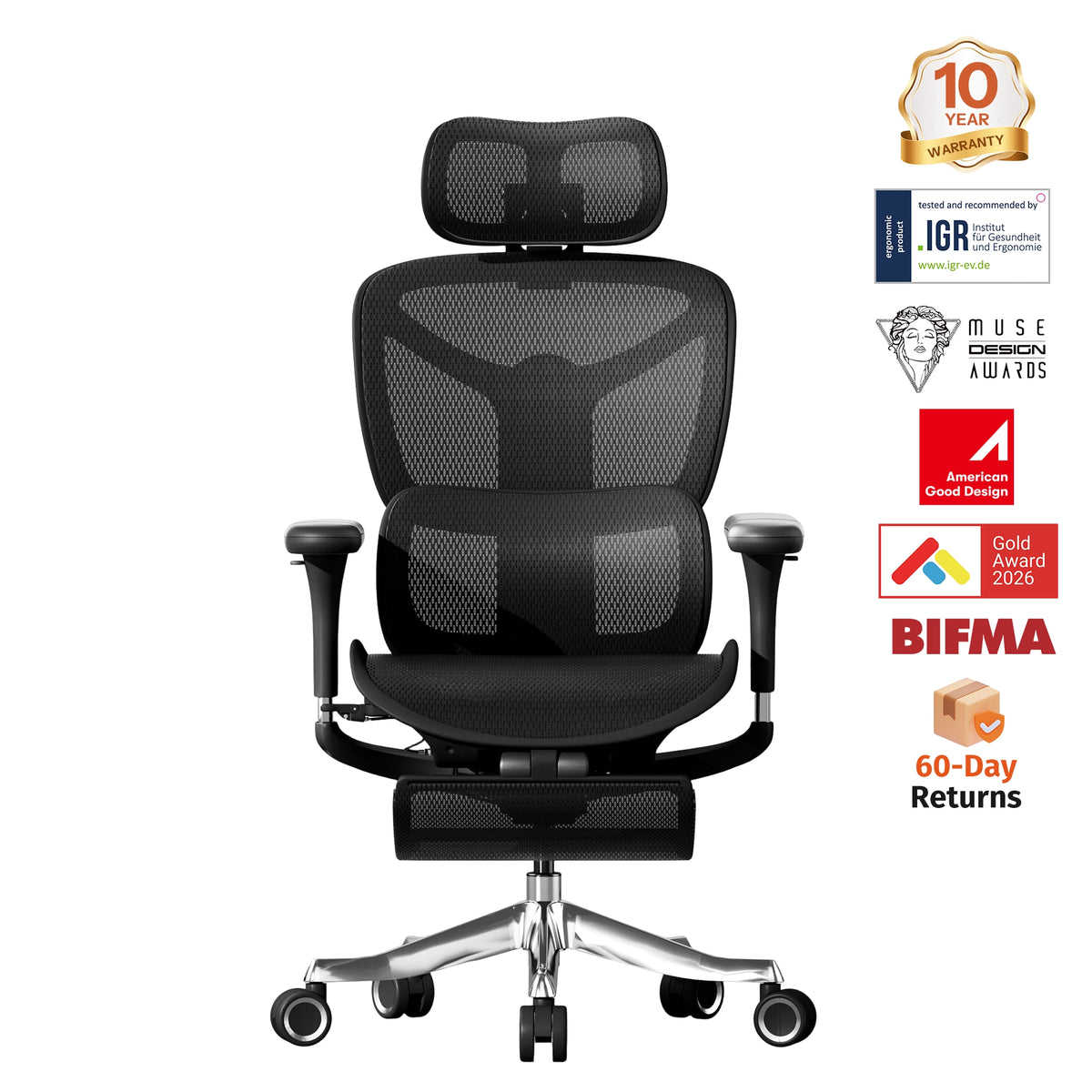
Example: Welax S9 Pro Ergonomic Chair
The Welax S9 Pro Ergonomic Office Chair is designed for long-hour use in demanding environments, featuring:
- Advanced lumbar support system for spinal alignment
- Breathable structure for improved airflow
- Ergonomic pressure distribution design for reduced fatigue
It helps users maintain stable posture while minimizing unnecessary physical strain during extended work sessions.

5. Step 2: Adjusting Sitting Posture to Reduce Heat Stress
Even with a high-quality ergonomic chair, posture habits significantly influence comfort levels during heatwaves.
Keep Feet Flat and Stable
This improves circulation and reduces lower-body heat buildup.
Avoid Slouching
Slouching compresses the torso, reducing airflow and increasing muscular effort.
Use Recline Strategically
A slight recline reduces spinal pressure and allows better weight distribution.
Relax Shoulder Position
Tension in the upper body increases internal heat generation and fatigue.
6. Step 3: Micro-Movements to Maintain Energy Flow
One of the most effective ways to combat thermal fatigue is consistent micro-movement.
Every 30–60 minutes:
- Stand up briefly
- Stretch shoulders, hips, and legs
- Walk for 1–2 minutes
These movements help:
- Improve blood circulation
- Enhance oxygen delivery
- Support natural body cooling
Even minimal activity can significantly reduce accumulated fatigue over the day.
7. Step 4: Hydration and Its Impact on Sitting Comfort
Hydration plays a more important role in heatwave productivity than most people realize.
In high temperatures:
- Dehydration reduces muscle efficiency
- Circulation becomes less effective
- Fatigue builds up faster
When combined with long sitting hours, dehydration can significantly amplify thermal fatigue.
Practical tip:
Keep water within reach and take small sips regularly rather than waiting until thirst appears.
8. The Hidden Equation: Sitting + Heat = Accelerated Fatigue
The interaction between prolonged sitting and high temperature creates a compounding effect:
- Heat increases physiological strain
- Sitting reduces circulation efficiency
- Poor posture increases muscular workload
- Together, they accelerate fatigue accumulation
This explains why many office workers feel unusually tired during summer—even when workload remains unchanged.
9. Building a Heat-Resilient Workspace
To maintain productivity in 40°C conditions, the workspace should support both temperature regulation and body mechanics.
Key elements include:
- Ergonomic chair with breathable structure
- Stable indoor airflow or cooling systems
- Regular posture adjustments
- Scheduled micro-breaks
- Consistent hydration habits
The goal is not only comfort—it is energy optimization under environmental stress.
Conclusion: Ergonomics as a Response to Climate Stress
As extreme heat becomes more frequent, workplace design must evolve accordingly.
A modern office is no longer defined only by technology or layout, but by how effectively it supports the human body under environmental pressure.
Ergonomic solutions like the Welax S9 Pro Ergonomic Office Chair help reduce thermal fatigue by improving posture efficiency, minimizing unnecessary energy loss, and supporting the body during long sitting hours in high-temperature conditions.
In a world where 40°C office environments are becoming more common, the key question is no longer just about comfort: How efficiently can your workspace support your body under heat stress?


Leave a comment
This site is protected by hCaptcha and the hCaptcha Privacy Policy and Terms of Service apply.