



Why Most Office Chairs Don’t Fit Women Properly
Most office chairs are designed with a “one-size-fits-most” approach—but in reality, they often fit men better than women. This mismatch is not just about comfort. Over time, it can affect posture, energy levels, and even long-term musculoskeletal health.

For many women working in offices or from home, the problem is subtle but constant: feet not fully touching the ground, pressure on the back of the thighs, shoulders slightly raised, or the need to constantly adjust sitting posture throughout the day.
The issue isn’t that women need “smaller chairs.” The real issue is that most office chairs are not designed with proper ergonomic adaptability for different body proportions.
In this article, we’ll break down why most office chairs don’t fit women properly—and the three most important factors to pay attention to when choosing a better one.
1. Seat Depth: The Most Overlooked Fit Problem
Seat depth is one of the most important yet least discussed aspects of an office chair.
Most standard chairs are designed with deeper seats, assuming longer thighs. But for many women—especially those with shorter or average height—this creates a chain of ergonomic problems.
When the seat is too deep:
- The back cannot fully rest against the backrest
- The knees are pushed forward in an unnatural position
- Pressure builds up on the back of the thighs
- Blood circulation can become restricted over long periods
To compensate, many people end up sitting on the edge of the chair or constantly shifting positions. This leads to fatigue and poor posture habits over time.
A properly designed ergonomic chair should allow:
- Full back contact with lumbar support
- A small gap (2–4 fingers) between the seat edge and the back of the knees
- Even weight distribution across the thighs and hips
This is why adjustable seat depth is no longer a luxury—it’s a necessity for proper ergonomic alignment.
2. Seat Height: Why the Lowest Height Matters More Than People Think
Seat height adjustment is often advertised as a standard feature. However, what is rarely discussed is the importance of the lowest seat height setting.
For many women, especially those under average height, even the lowest setting of many office chairs is still too high. This creates a cascade of posture issues:
- Feet do not rest flat on the ground
- The pelvis tilts forward
- Lower back support becomes ineffective
- Shoulders compensate by lifting slightly
Over time, this can contribute to:
- Lower back discomfort
- Neck and shoulder tension
- Reduced circulation in the legs
A truly well-designed ergonomic chair should allow:
- Feet to sit flat on the floor naturally
- Knees at approximately a 90-degree angle
- Hips aligned slightly above or level with knees
This is why minimum seat height is just as important as maximum height. Many chairs fail not because they don’t adjust—but because they don’t go low enough.
3. Lumbar Support That Matches a Smaller Frame
Another major issue is lumbar support positioning.
Many chairs are designed with lumbar support aimed at an “average” back height. But women’s torso proportions can differ significantly, meaning the lumbar support may sit too high or too low to be effective.
When lumbar support is misaligned:
- The lower back is not properly supported
- Users tend to slouch forward
- Pressure shifts to the spine and shoulders
- Fatigue appears much faster during long sitting hours
A proper ergonomic chair should have:
- Adjustable lumbar height
- Adaptive pressure support
- A backrest that follows natural spinal curvature
Good lumbar support should feel like it is “holding you” rather than forcing you into position.
4. Armrest Position: Shoulder Alignment Is Often Ignored
Armrests are often treated as secondary features, but they play a critical role in overall posture—especially for women who tend to have narrower shoulder widths on average.
If armrests are too wide, too high, or not adjustable enough:
- Shoulders are pushed upward or outward
- Wrists are strained during typing
- Neck tension increases over time
Proper armrest support should allow:
- Elbows resting naturally at 90–100 degrees
- Shoulders relaxed, not elevated
- Adjustable positioning for typing, reading, or resting
This is why multi-directional armrests (such as 4D or 6D systems) are becoming increasingly important in modern ergonomic design.
5. Cushion Pressure Distribution and Long Sitting Comfort
One often overlooked factor is how pressure is distributed across the seat cushion.
A poorly designed cushion can create:
- Pressure points on the hips
- Tingling or discomfort in the thighs
- Reduced ability to sit for long uninterrupted periods
For women who often balance work, home tasks, and longer sitting sessions, this becomes especially noticeable.
A good ergonomic seat cushion should:
- Distribute weight evenly
- Reduce pressure on hip bones
- Maintain support without being overly soft
- Allow airflow to prevent heat buildup
6. Why Adjustability Alone Is Not Enough
Many chairs advertise “fully adjustable” features, but true ergonomics is not just about adjustability—it is about range and precision.
For example:
- A chair may be adjustable, but still not go low enough
- Lumbar support may move, but not align with smaller frames
- Armrests may rotate, but lack depth control
This is why real ergonomic design must consider both:
- Adjustment range
- Fit diversity across different body types
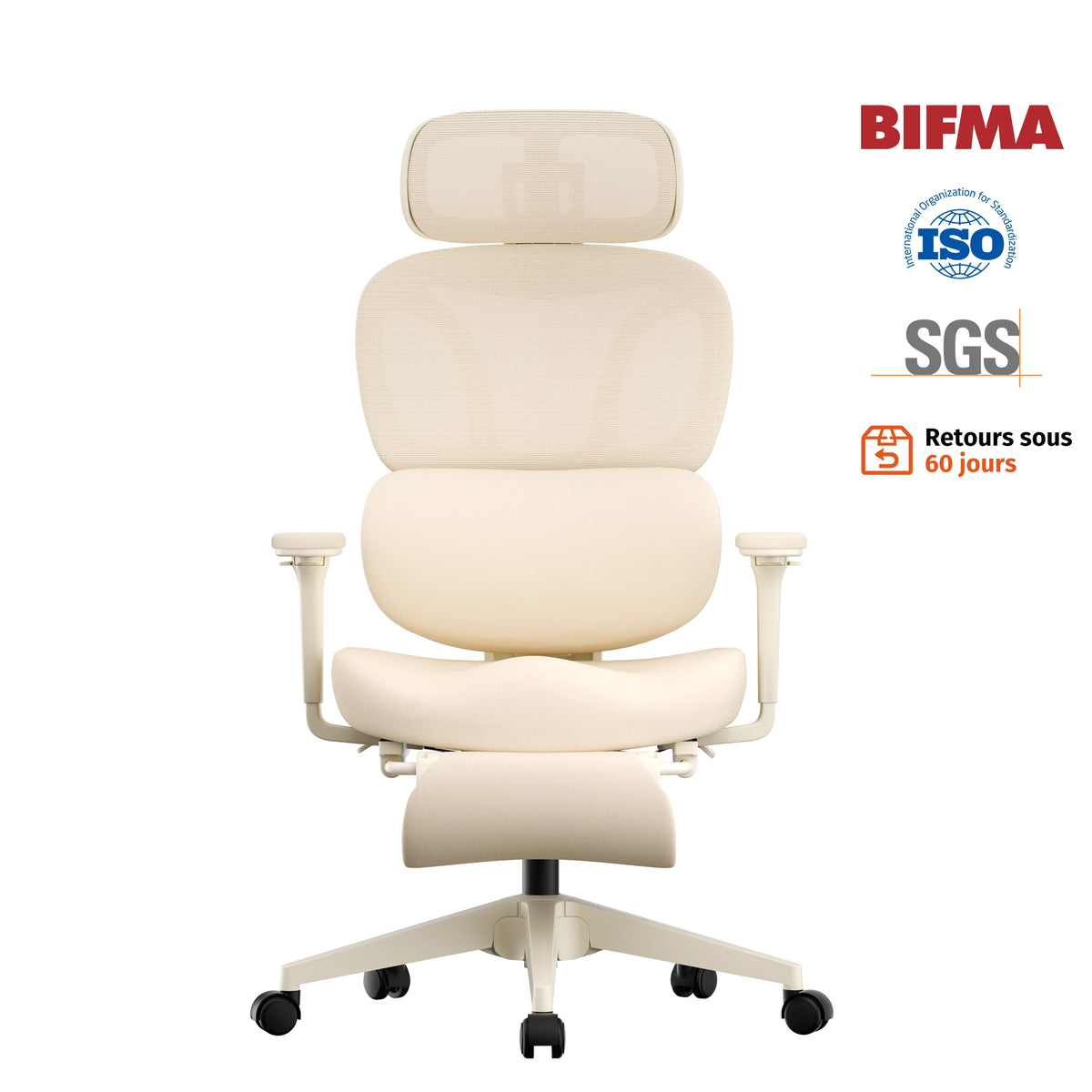
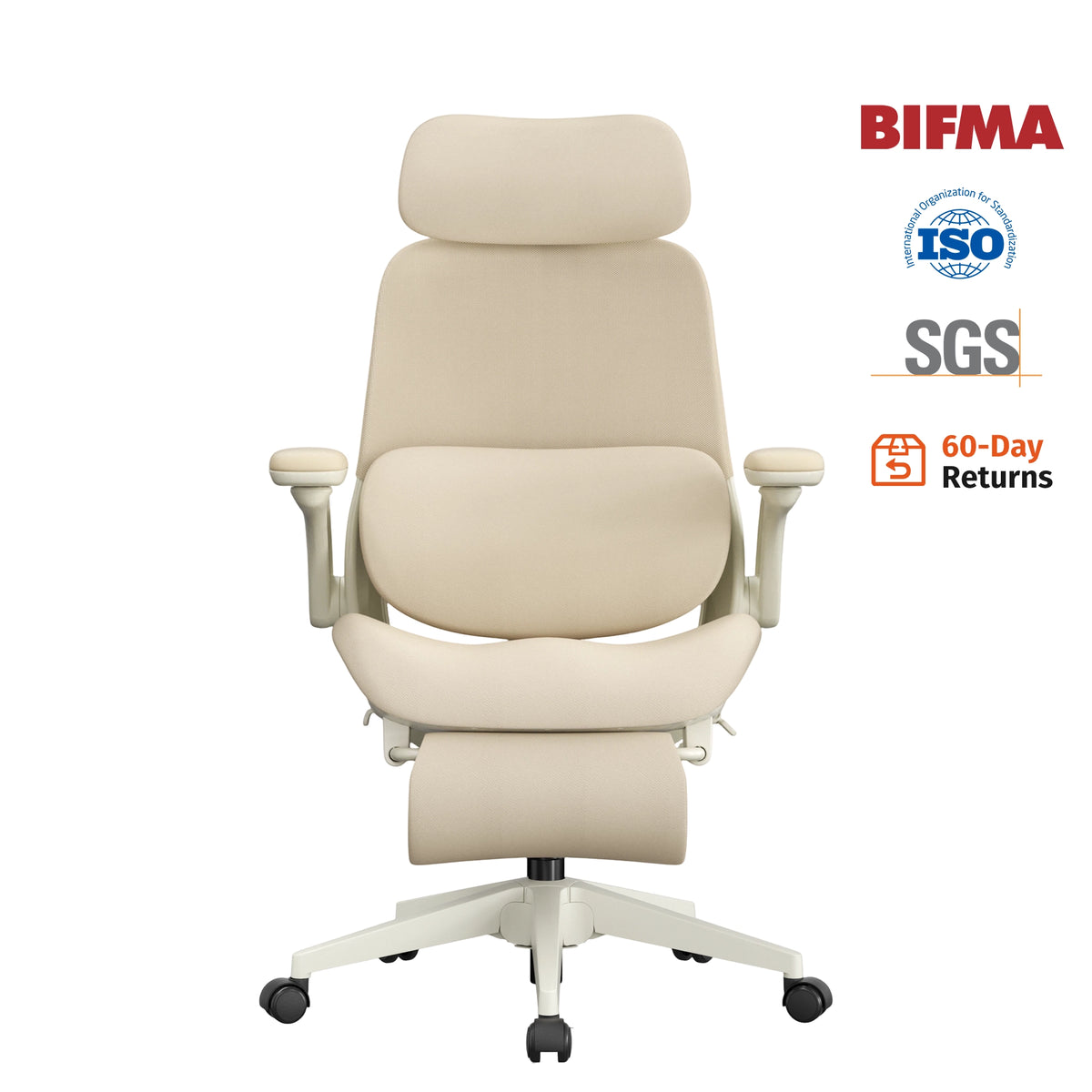
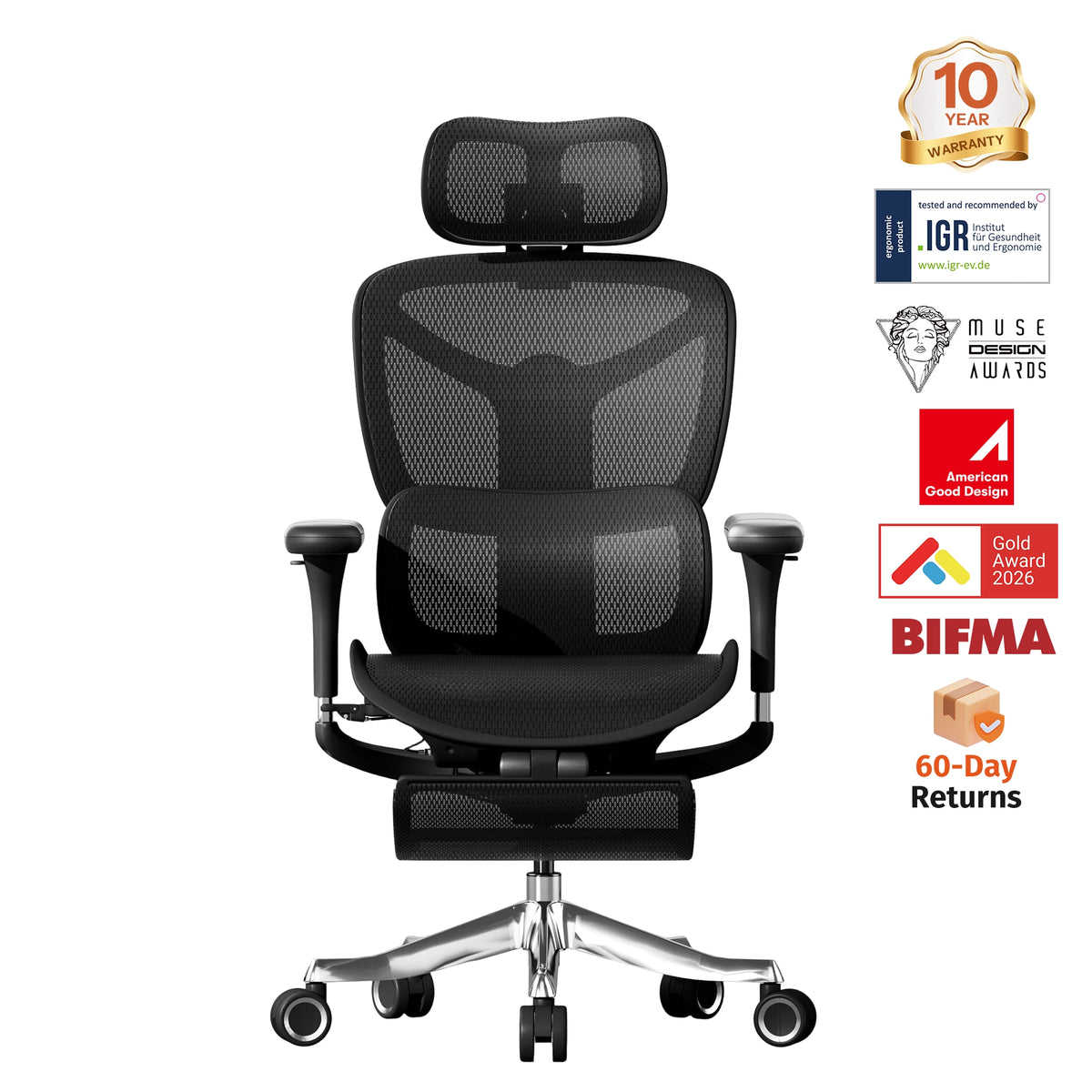
A Better Fit: Welax S3 Pro Ergonomic Chair
For women who experience discomfort with traditional office chairs, the design philosophy behind the Welax S3 Pro Ergonomic Chair focuses on solving exactly these problems.
The S3 Pro is designed with a more adaptive ergonomic structure that better accommodates different body proportions, especially for home office and modern work environments.
Key advantages include:
✔ Adaptive Ergonomic Support
The S3 Pro features a supportive backrest designed to follow natural spinal curvature, helping maintain better posture during long hours of sitting.
✔ Adjustable Seat Design
Its seat system is designed to help reduce pressure on the thighs while improving overall sitting alignment, making it more suitable for users with different height ranges.
✔ Multi-Level Recline Comfort
With flexible reclining angles, users can easily switch between focused work and relaxed sitting positions throughout the day.
✔ 4D Adjustable Armrests
The armrests allow multi-directional adjustment to better support shoulder and wrist alignment, reducing strain during typing and daily tasks.
✔ Modern Home Office Aesthetic
Unlike bulky traditional office chairs, the S3 Pro is designed to blend into modern interiors, making it ideal for home offices where aesthetics matter as much as comfort.

Final Thoughts
Most office chairs fail women not because they are “bad chairs,” but because they are not designed with enough attention to real body diversity.
Three factors matter most:
- Seat depth that supports natural posture
- Seat height that goes low enough for proper grounding
- Proper lumbar and arm support alignment
When these elements are ignored, even expensive chairs can feel uncomfortable over time.
A well-designed ergonomic chair should adapt to the body—not force the body to adapt to it.


Leave a comment
This site is protected by hCaptcha and the hCaptcha Privacy Policy and Terms of Service apply.