



Dynamic Lumbar vs Adjustable Lumbar: Which One’s Right for You?
Lower back discomfort is one of the most common complaints among office workers, remote employees, and anyone who spends long hours sitting. While an ergonomic chair is often recommended as a solution, not all lumbar support systems work the same way. Two of the most talked-about options today are dynamic lumbar support and adjustable lumbar support.

So what’s the real difference? And more importantly, which one is right for your body, work habits, and daily routine?
In this guide, we’ll break down how dynamic lumbar and adjustable lumbar systems work, compare their benefits, and help you choose the best ergonomic chair for long-term comfort and spinal health.
Why Lumbar Support Matters in an Ergonomic Chair
The lumbar spine—the lower curve of your back—is designed to maintain a natural inward “S” shape. When sitting for extended periods, especially in a poorly designed office chair, this curve often collapses. The result?
-
Lower back pain and stiffness
-
Muscle fatigue and tension
-
Poor posture and slouching
-
Increased pressure on spinal discs
A well-designed ergonomic office chair supports the lumbar region to maintain proper alignment, reduce strain, and improve comfort throughout the day.
This is where lumbar support systems come in.

What Is Adjustable Lumbar Support?
Adjustable lumbar support allows users to manually customize the position and firmness of the lumbar pad to fit their lower back.
How It Works
Adjustable lumbar systems typically let you:
-
Move the lumbar support up or down to match your spine height
-
Adjust depth or pressure to control firmness
Once set, the lumbar support stays in that position until you change it again.
Benefits of Adjustable Lumbar Support
-
Personalized fit: Ideal for users who know their preferred lumbar position
-
Stable support: Maintains consistent pressure throughout the day
-
Simple and reliable: Easy to adjust and understand
Potential Limitations
-
Works best when sitting in one primary posture
-
May not adapt automatically when you recline or shift positions
-
Requires manual readjustment if posture changes frequently
Adjustable lumbar support is often preferred by users who sit upright most of the day and want predictable, fixed support.
What Is Dynamic Lumbar Support?
Dynamic lumbar support is designed to move with your body. Instead of staying in a fixed position, it automatically adjusts as you shift, recline, or change posture.
How It Works
Dynamic lumbar systems:
-
Flex and respond to your back’s movement
-
Maintain continuous contact with the lumbar curve
-
Provide adaptive support during reclining or leaning
Rather than forcing your body to adapt to the chair, the chair adapts to you.
Benefits of Dynamic Lumbar Support
-
Continuous support: Maintains lumbar contact in multiple postures
-
Encourages movement: Supports healthy micro-movements while sitting
-
Reduces pressure buildup: Helps prevent stiffness during long hours
Potential Limitations
-
Less manual control for users who prefer fixed pressure
-
May feel unfamiliar at first for people used to static chairs
Dynamic lumbar support is ideal for users who change positions frequently or prefer a more natural, movement-friendly sitting experience.

Dynamic Lumbar vs Adjustable Lumbar: Side-by-Side Comparison
| Feature | Adjustable Lumbar | Dynamic Lumbar |
|---|---|---|
| Customization | Manual adjustment | Automatic adaptation |
| Best for | Static sitting | Frequent movement |
| Support style | Fixed & consistent | Responsive & flexible |
| Recline support | May lose contact | Maintains contact |
| Sitting behavior | Upright, focused | Active, varied postures |
Both systems improve posture and reduce strain—but they serve different sitting styles.
Which Lumbar Support Is Right for You?
Choose Adjustable Lumbar If You:
-
Sit upright most of the day
-
Prefer precise, manual control
-
Want firm, consistent lower back support
-
Rarely recline or shift positions
Choose Dynamic Lumbar If You:
-
Change posture frequently
-
Recline often while working or resting
-
Experience stiffness from sitting too long
-
Want a chair that supports natural movement
There’s no universal “better” option—only what works best for your body and habits.
Why Dynamic Lumbar Is Gaining Popularity
As more people work long hours from home, sitting patterns have changed. Many users alternate between:
-
Typing upright
-
Leaning back for calls
-
Relaxing briefly between tasks
In these scenarios, a static lumbar pad may lose contact with the lower back. Dynamic lumbar support solves this issue by maintaining alignment throughout movement, making it increasingly popular in modern ergonomic chairs.
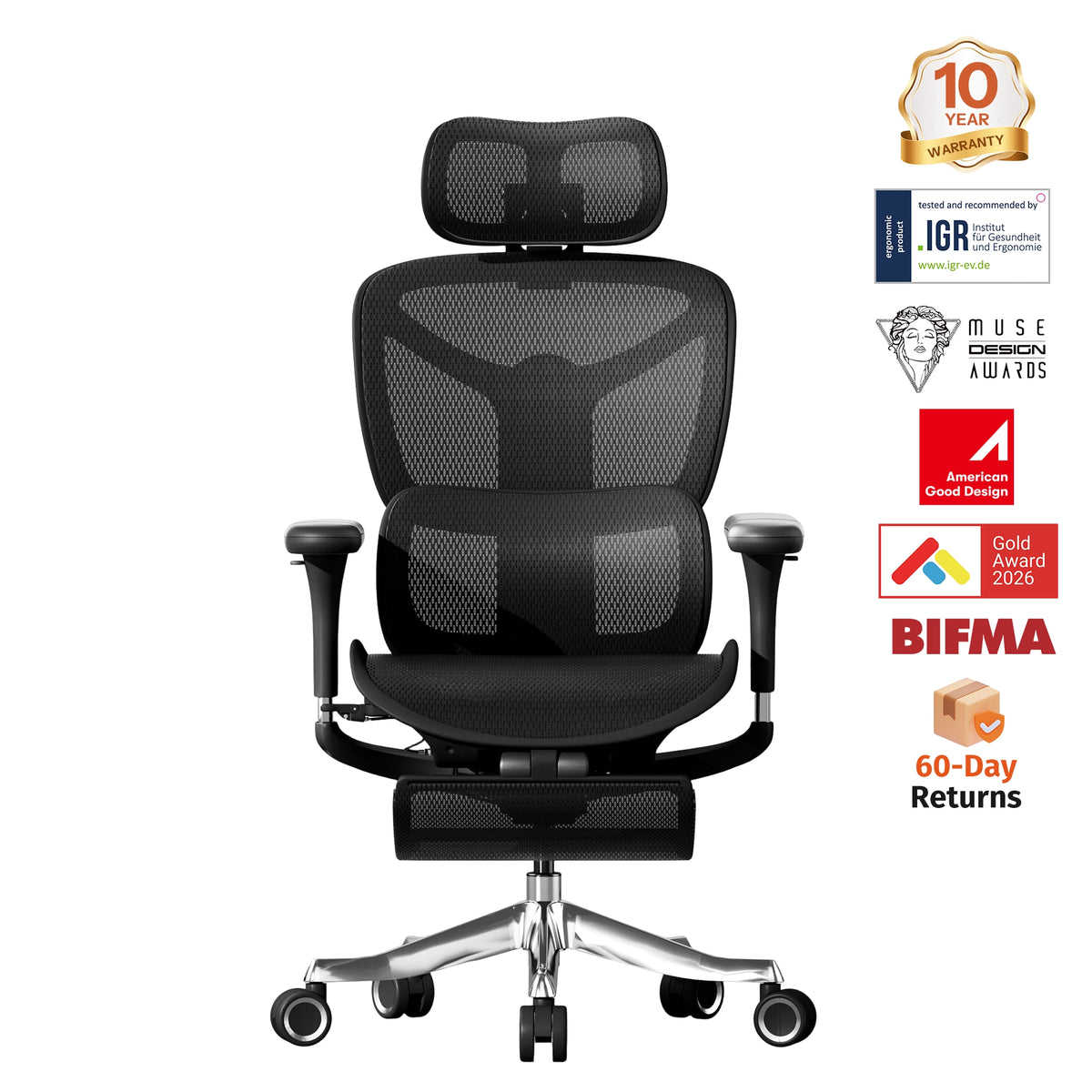
Welax S9 Pro Ergonomic Chair: Advanced Dynamic Lumbar Support
For users seeking adaptive, movement-friendly support, the Welax S9 Ergonomic Chair features a dynamic lumbar support system designed for long hours and varied postures.
Why the Welax S9 Pro Stands Out
-
Dynamic lumbar support that follows your spine as you move
-
Maintains lower back contact while reclining or shifting
-
Encourages healthier sitting habits without constant readjustment
The S9 is built for professionals who don’t stay still all day—and don’t want their chair to either.

How Lumbar Support Affects Long-Term Health
Proper lumbar support isn’t just about comfort—it plays a key role in long-term spinal health.
Consistent support helps:
-
Reduce muscle fatigue
-
Maintain natural spinal curvature
-
Prevent slouching and forward head posture
-
Lower the risk of chronic lower back pain
Whether dynamic or adjustable, the right lumbar system can significantly improve daily comfort and productivity.
Tips to Maximize Lumbar Support Benefits
Even the best ergonomic chair works best when paired with healthy habits:
-
Adjust chair height so feet rest flat on the floor
-
Keep hips slightly higher than knees
-
Avoid locking into one posture for hours
-
Take movement breaks every 30–60 minutes
Lumbar support should assist posture, not replace movement.
Final Thoughts: Dynamic or Adjustable—What Matters Most?
When choosing between dynamic lumbar vs adjustable lumbar, the key question isn’t which one is better—it’s how you sit.
-
Prefer stable, upright support? Adjustable lumbar may suit you
-
Move often and recline throughout the day? Dynamic lumbar is likely a better fit
For users who want adaptive comfort and continuous support, an ergonomic chair with dynamic lumbar—like the Welax S9 Pro—offers a modern solution for long sitting hours.
In the end, the best ergonomic chair is one that supports your body as it actually moves, not how you think you should sit.


Leave a comment
This site is protected by hCaptcha and the hCaptcha Privacy Policy and Terms of Service apply.