



Office Chair Butt: What It Is, How to Prevent It, and the Best Ergonomic Chairs for Healthy Sitting | Welax
If you've ever stood up after a long day at your desk and felt numbness, soreness, or noticed that your glutes seem flatter than before, you've probably heard the term "office chair butt."

While it sounds like an internet joke, office chair butt has become a popular phrase describing the effects of prolonged sitting on your glute muscles and overall posture. As more people work from home or spend eight or more hours at a desk, understanding how your chair affects your body is more important than ever.
The good news? You don't have to give up your desk job. By choosing the right ergonomic office chair, moving regularly, and improving your sitting habits, you can significantly reduce the risk of developing office chair butt.
In this guide, we'll explain:
- What office chair butt really is
- What causes it
- The relationship between your office chair and glute health
- How to prevent it
- The best ergonomic chairs from Welax for long-term comfort
What Is Office Chair Butt?
"Office chair butt" isn't an official medical diagnosis. Instead, it's a casual term people use to describe changes that occur after spending long hours sitting every day.
These changes may include:
- Flattened-looking glutes
- Weak glute muscles (gluteal deconditioning)
- Hip tightness
- Lower back discomfort
- Numbness or pressure in the buttocks
- Reduced muscle activation during walking or exercise
Many physical therapists refer to this as gluteal amnesia or "dead butt syndrome," where prolonged sitting causes the glute muscles to become less active.
Although sitting itself doesn't literally erase muscle overnight, months or years of sedentary work can lead to weaker muscles, poor posture, and increased discomfort.
Does Sitting Really Make Your Butt Flat?
The answer is partially yes—but not exactly in the way many people think.
Long periods of sitting can:
- Reduce blood circulation
- Compress soft tissues
- Keep glute muscles inactive for hours
- Shorten hip flexors
- Encourage poor posture
Over time, inactive muscles may gradually lose strength and firmness if they aren't exercised regularly.
Your appearance may change slightly because:
- Muscle tone decreases.
- Fat distribution changes.
- Constant pressure compresses soft tissue during sitting.
However, office chair butt is usually more about muscle weakness and posture than permanent body shape changes.
The Relationship Between Your Office Chair and Office Chair Butt
Many people blame sitting itself, but the quality of your office chair plays a major role.
An unsupportive chair forces your body into unhealthy positions for hours.
Common problems include:
1. Seat Cushion Compression
A cushion that's too hard creates pressure points.
One that's too soft allows your pelvis to sink too deeply.
Either way, the pressure on your glutes increases.
2. Poor Seat Depth
If the seat is too long:
- It presses against the back of your knees.
- Blood circulation decreases.
- You slide forward.
If it's too short:
- Your thighs lose support.
- More pressure shifts directly onto your buttocks.
3. Lack of Lumbar Support
Without proper lumbar support:
- The pelvis rotates backward.
- Your spine slouches.
- Glutes become even less engaged.
4. Incorrect Sitting Posture
A chair without ergonomic adjustments encourages:
- Leaning forward
- Crossing legs
- Sitting on one hip
- Rounded shoulders
These habits increase muscle imbalance throughout the body.
5. Limited Movement
Traditional office chairs often lock users into one static position.
The human body was never designed to stay perfectly still for eight hours.
Modern ergonomic chairs encourage small natural movements that reduce muscle fatigue.
Signs You May Be Developing Office Chair Butt
You don't need to notice visible changes to experience its effects.
Common symptoms include:
- Butt soreness after sitting
- Lower back pain
- Tight hips
- Tingling in the legs
- Weakness during squats
- Difficulty activating glutes during workouts
- Poor posture while standing
- Feeling stiff after getting out of your chair
If these symptoms sound familiar, your workspace may need an upgrade.
How to Prevent Office Chair Butt
Fortunately, prevention is simple when you combine healthy habits with ergonomic seating.
1. Invest in an Ergonomic Office Chair
Your chair is where you spend thousands of hours every year.
Look for features such as:
- Adjustable lumbar support
- Breathable mesh back
- Pressure-relieving seat cushion
- Adjustable seat depth
- Reclining mechanism
- Adjustable armrests
- Headrest support
These features help distribute weight evenly instead of concentrating pressure on your glutes.
2. Stand Up Every 30–60 Minutes
Even standing for one or two minutes helps.
Try:
- Walking around the office
- Stretching
- Refilling your water bottle
- Taking phone calls while standing
Frequent movement restores circulation and wakes up inactive muscles.
3. Strengthen Your Glutes
The best defense against office chair butt is strong glute muscles.
Great exercises include:
- Glute bridges
- Squats
- Romanian deadlifts
- Lunges
- Hip thrusts
- Step-ups
Even two or three strength sessions each week can improve muscle activation.
4. Stretch Your Hip Flexors
Sitting shortens the muscles at the front of your hips.
Stretching helps restore balance.
Focus on:
- Hip flexor stretch
- Figure-four stretch
- Standing quad stretch
- Pigeon pose
- Hamstring stretch
Flexible hips allow your glutes to work more effectively.
5. Sit with Proper Posture
Your chair should support—not replace—good posture.
Aim for:
- Feet flat on the floor
- Knees at roughly 90 degrees
- Hips slightly higher than knees
- Back fully supported
- Shoulders relaxed
- Screen at eye level
Small adjustments make a significant difference over time.
How an Ergonomic Chair Helps Prevent Office Chair Butt
An ergonomic chair doesn't eliminate sitting, but it helps your body tolerate sitting much better.
Better Weight Distribution
A well-designed seat spreads pressure across your thighs and hips rather than concentrating it in one area.
Dynamic Lumbar Support
Proper lumbar support maintains the spine's natural curve and reduces pelvic collapse.
Adjustable Seat Depth
Correct seat depth supports your thighs without restricting circulation.
Breathable Materials
Mesh backs improve airflow, keeping you cooler and more comfortable during long work sessions.
Reclining Support
Changing positions throughout the day reduces continuous compression on your glutes.
Together, these ergonomic features promote healthier sitting habits and reduce fatigue.
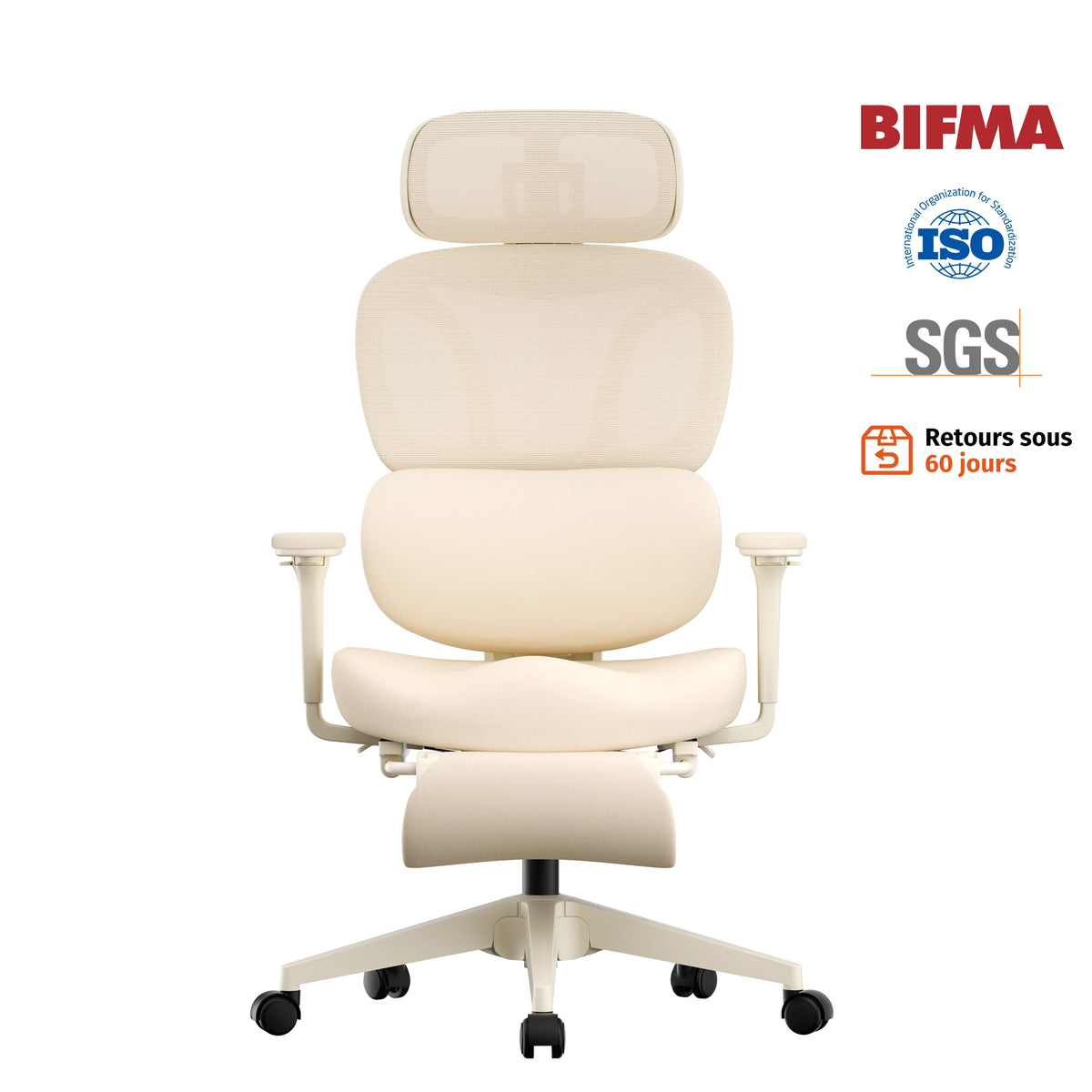
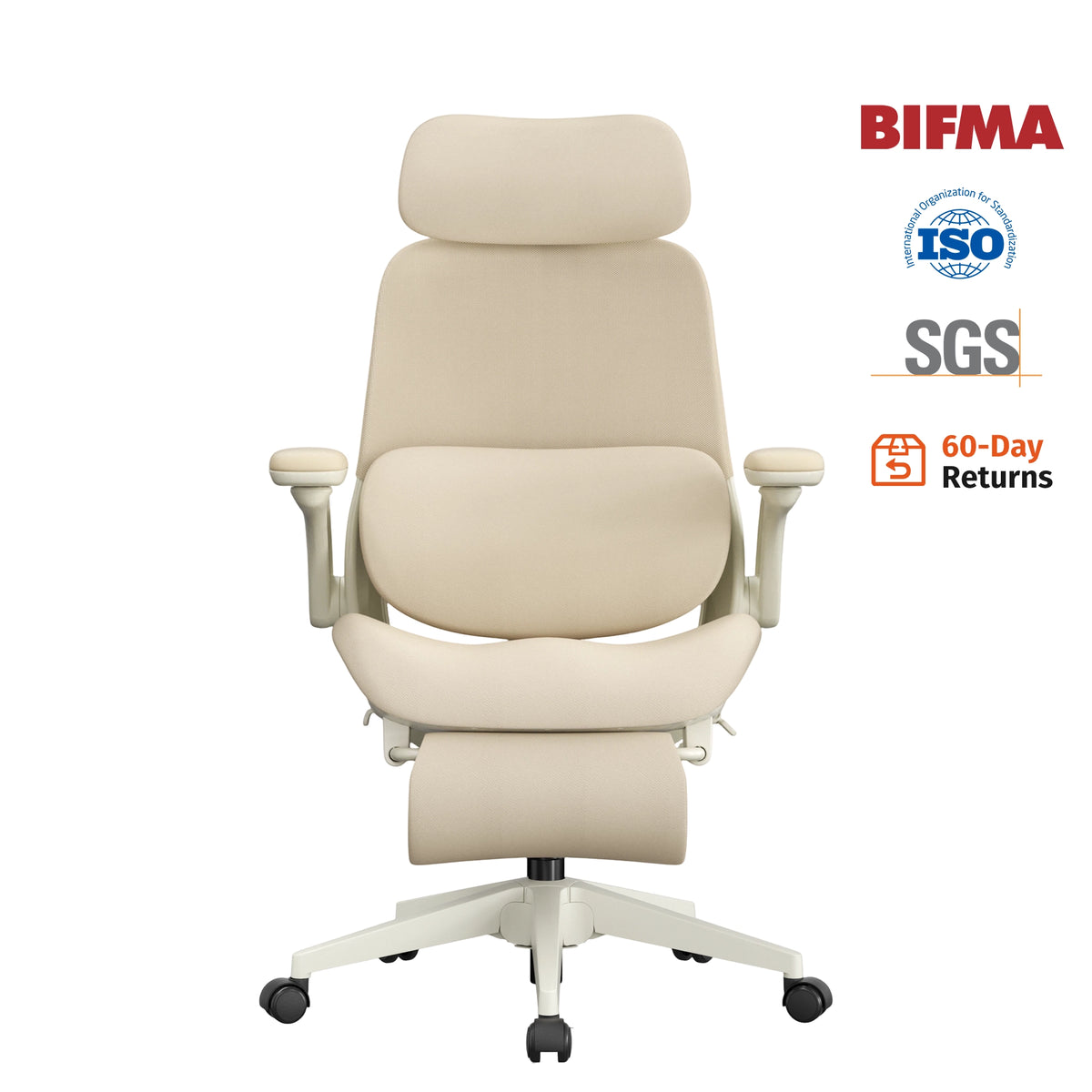
Welax Ergonomic Chairs Designed for Long Hours
At Welax, we design ergonomic office chairs to support the way people actually work—whether you're at home, in the office, or gaming after hours.
Here are a few models that can help reduce pressure during prolonged sitting.
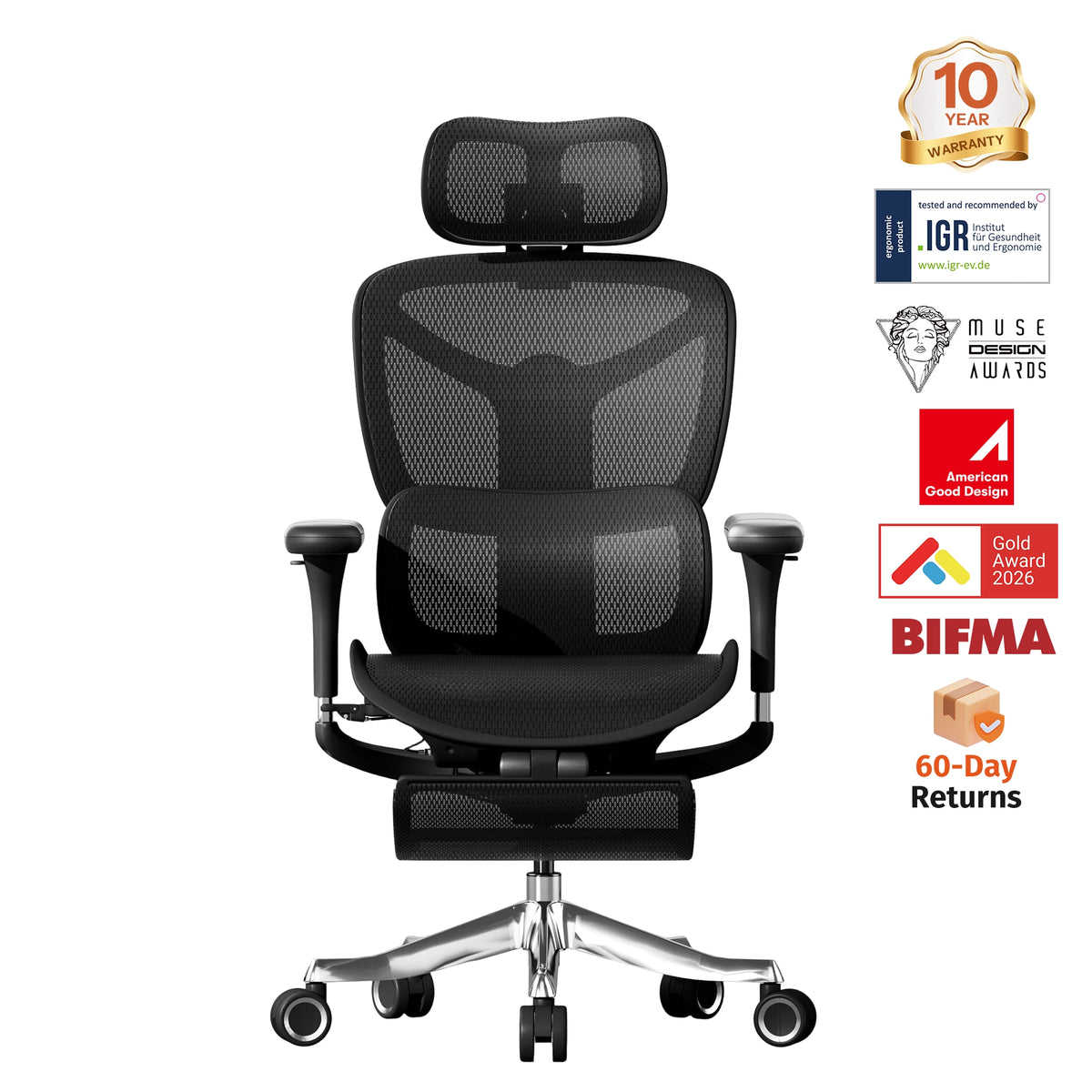
Welax Ergonomic Office Chair Pro S9
The Pro S9 is our flagship ergonomic chair for professionals who spend long hours at their desks.
Key features include:
- Dynamic adaptive lumbar support
- 6D adjustable armrests
- 3D adjustable headrest
- Multi-angle reclining
- Wide pressure-relieving seat cushion
- Premium ergonomic adjustments for personalized comfort
Ideal for remote workers, programmers, designers, and anyone working full-time at a desk.

Welax Ergonomic Office Chair Pro S3
The Pro S3 offers outstanding ergonomic support at an accessible price.
Highlights include:
- Adaptive lumbar support
- Breathable mesh back
- Comfortable seat cushion
- 4D adjustable armrests
- Adjustable headrest
Perfect for home offices and everyday productivity.

Healthy Sitting Is About More Than Your Chair
Even the best ergonomic office chair isn't a substitute for movement.
The healthiest routine combines:
- Regular walking breaks
- Strength training
- Stretching
- Good workstation ergonomics
- A supportive ergonomic chair
Together, these habits help protect your muscles, improve posture, and make long workdays much more comfortable.
Final Thoughts
Office chair butt may have a humorous name, but it reflects a real issue caused by prolonged sitting and poor workstation ergonomics. Weak glute muscles, hip tightness, lower back discomfort, and poor posture can all develop over time when your body lacks movement and support.
Fortunately, preventing office chair butt doesn't require drastic lifestyle changes. Choosing an ergonomic office chair with proper lumbar support, adjustable features, and a pressure-relieving seat—combined with regular movement and simple strengthening exercises—can make a meaningful difference.
If you're ready to upgrade your workspace, Welax ergonomic office chairs are designed to provide all-day comfort, healthier posture, and the support your body needs for long hours of productive sitting.
Whether you're working from home, managing a busy office schedule, or spending extended time at your computer, investing in better ergonomics today can help you stay more comfortable for years to come.


Leave a comment
This site is protected by hCaptcha and the hCaptcha Privacy Policy and Terms of Service apply.