



Should I Sit Down If I Have Lower Back Pain?
Lower back pain affects millions of people worldwide, especially those who spend long hours at a desk. If you’re dealing with stiffness, soreness, or recurring discomfort, one question often comes up: Should I sit down if I have lower back pain, or should I avoid sitting altogether?

The truth is simple—but often misunderstood: sitting itself isn’t the problem. How you sit, how long you sit, and what kind of office chair you use make all the difference. In this article, we’ll break down when sitting helps lower back pain, when it makes things worse, and how an ergonomic chair combined with smart movement habits can protect your spine.
Why Sitting Is Closely Linked to Lower Back Pain
The lower back, or lumbar spine, is designed to support your upper body while allowing movement. When you sit, especially for long periods, the lumbar spine experiences increased pressure—often more than when standing.
Common sitting-related causes of lower back pain include:
-
Prolonged sitting without breaks
-
Slouching or forward head posture
-
Weak core and glute muscles
-
Poorly designed office chairs
-
Lack of lumbar support
Over time, these factors can strain muscles, compress spinal discs, and worsen existing lower back pain.
Should You Sit at All If You Have Lower Back Pain?
Short Answer: Yes—but not passively and not for too long.
Sitting can be helpful or harmful depending on the context.
When Sitting Can Help Lower Back Pain
Sitting may actually reduce pain when:
-
Standing or walking increases discomfort
-
You’re recovering from an acute flare-up
-
Sitting allows muscles to relax temporarily
-
You’re using a properly adjusted ergonomic chair
In these situations, sitting reduces spinal loading and can provide short-term relief—as long as posture and support are correct.
When Sitting Makes Lower Back Pain Worse
Sitting often worsens lower back pain when:
-
You sit longer than 60 minutes without moving
-
Your office chair lacks lumbar support
-
Your hips sink lower than your knees
-
You slouch or lean forward
-
Your muscles stay inactive all day
In these cases, sitting increases disc pressure, reduces circulation, and weakens the muscles that support your spine.
The Role of an Ergonomic Chair in Lower Back Pain Relief
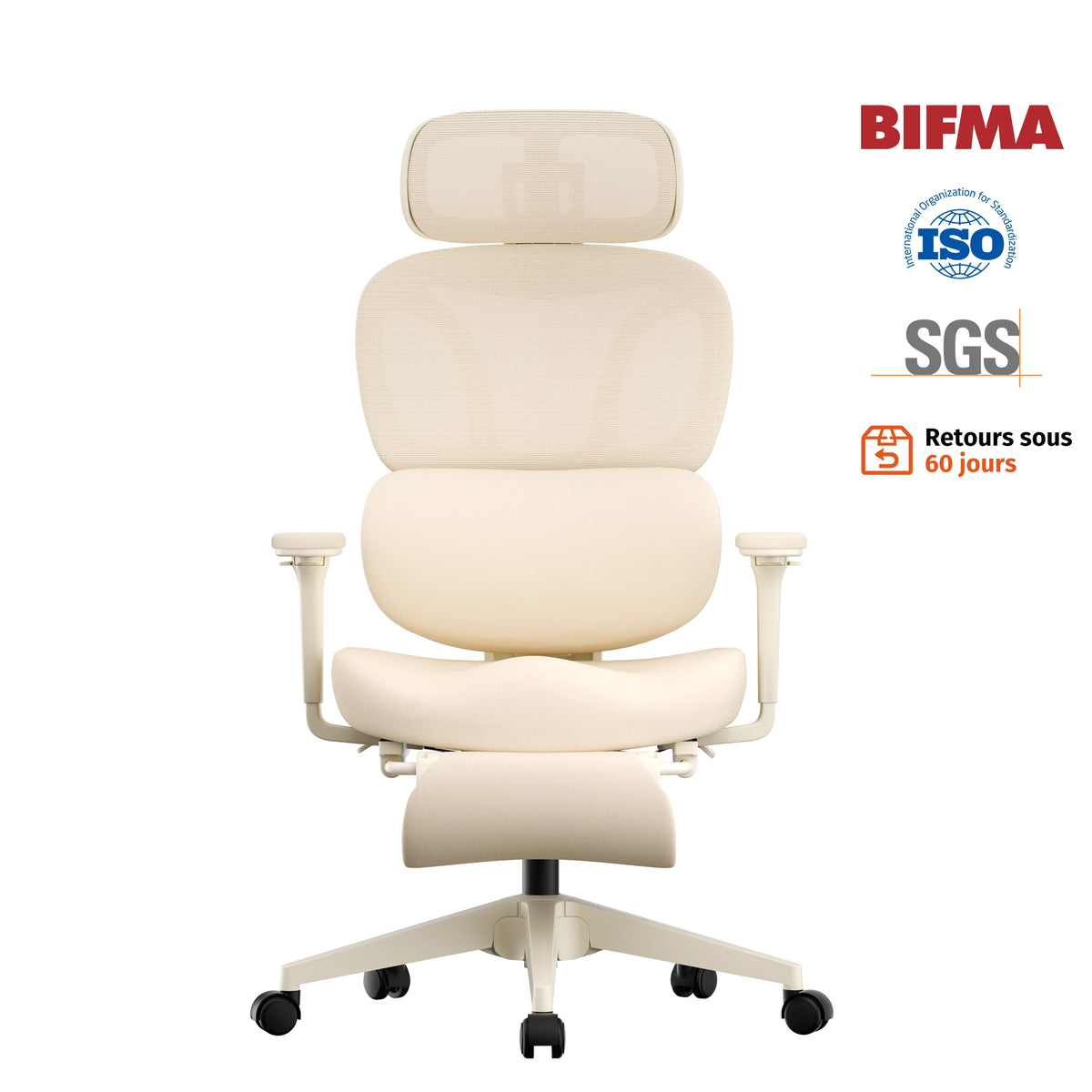
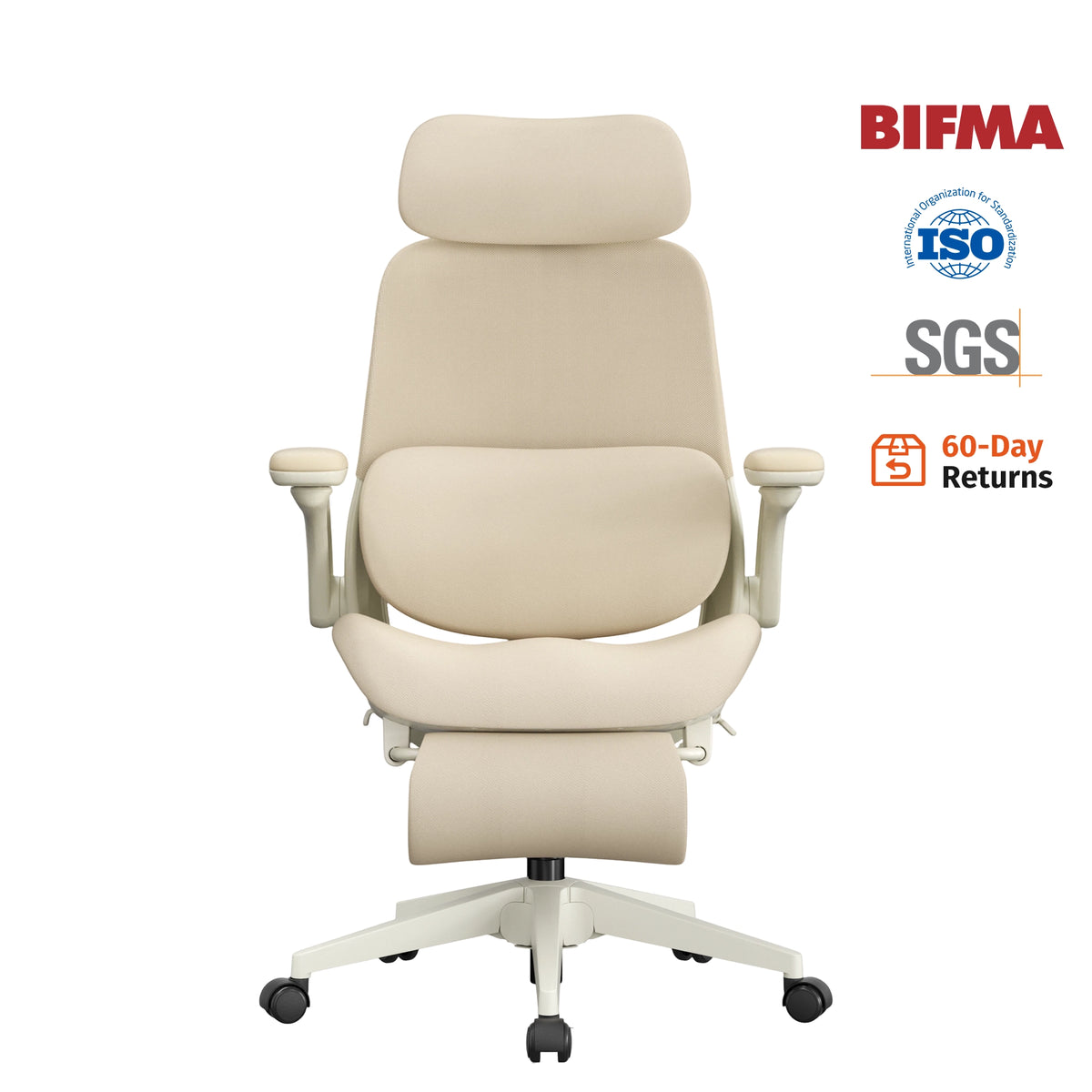
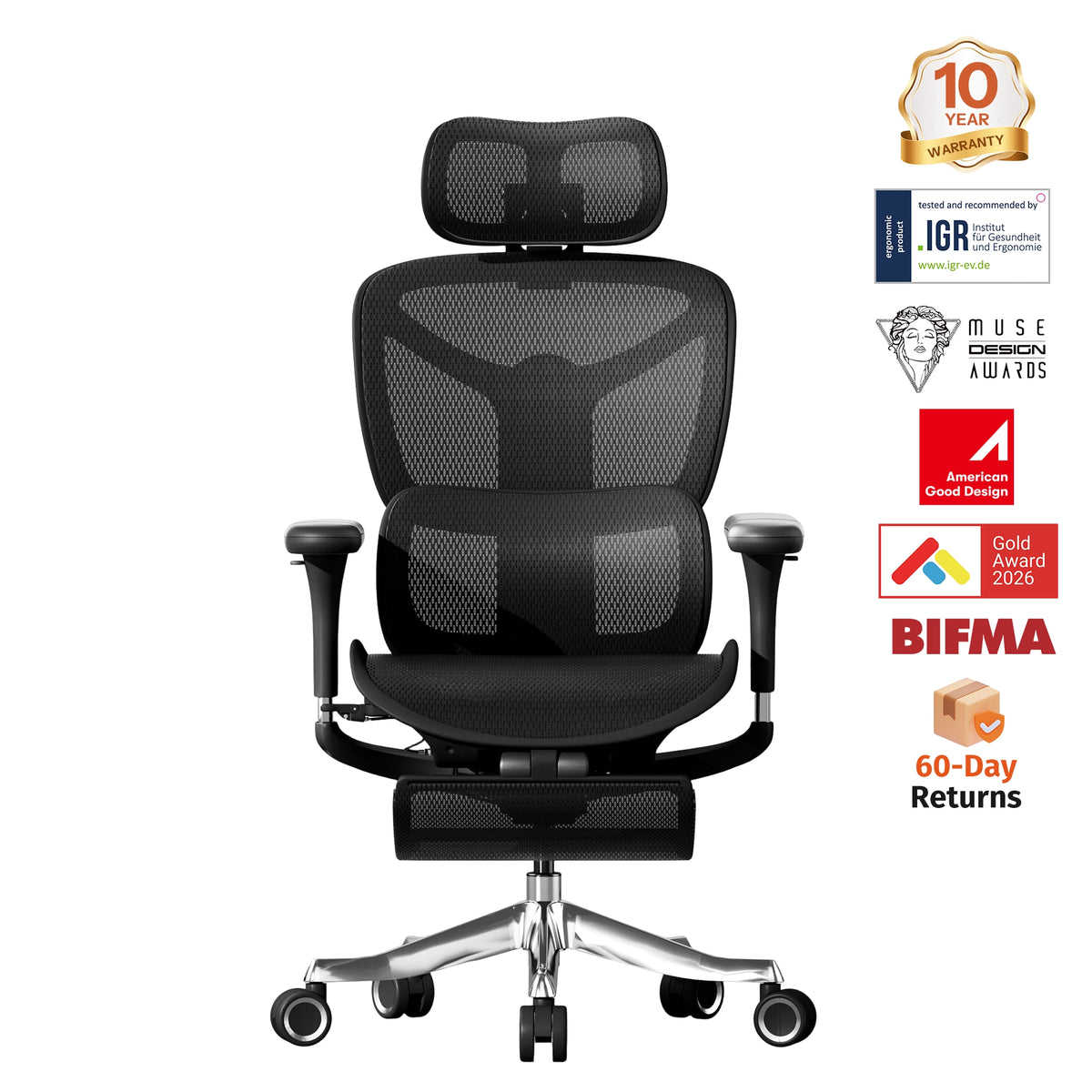
An ergonomic chair doesn’t cure lower back pain—but it creates the conditions your body needs to heal and function properly.
Why an Ergonomic Chair Matters
A high-quality ergonomic office chair helps by:
-
Supporting the natural curve of the lower spine
-
Reducing pressure on spinal discs
-
Encouraging upright, neutral posture
-
Allowing small movements while seated
Without proper lumbar support, even short sitting sessions can strain the lower back.
How to Sit Correctly With Lower Back Pain
If you must sit, posture becomes critical.
Proper Sitting Setup:
-
Sit fully back against the backrest
-
Align lumbar support with your lower back
-
Keep feet flat on the floor or on a footrest
-
Position knees level with or slightly below hips
-
Relax shoulders and keep head over your spine
Good posture reduces muscle strain and prevents additional stress on painful areas.
How Long Should You Sit With Lower Back Pain?
There’s no perfect number, but most experts agree:
-
Avoid sitting longer than 60 minutes at a time
-
Change position every 30–45 minutes
-
Stand, stretch, or walk briefly before sitting again
Frequent movement is far more important than simply sitting less overall.

Combining an Ergonomic Chair With Movement
Sitting in a supportive, adjustable chair while also moving regularly creates the best environment for your lower back. Here’s how to combine these two approaches effectively:
-
Set Up Your Chair Properly
-
Align lumbar support with your lower spine curve
-
Keep feet flat on the floor or on a footrest
-
Adjust seat height so knees are level with or slightly below hips
-
Relax shoulders and keep your head aligned with your spine
-
-
Alternate Sitting and Standing
-
Use a sit-stand desk if possible
-
Change positions every 30–45 minutes
-
Standing too long can cause fatigue, so keep periods moderate
-
-
Integrate Mini Breaks
-
Walk for 2–5 minutes every half hour
-
Stretch hamstrings, hips, and lower back
-
Do light exercises that engage your core
-
By combining the right chair setup with regular movement, you reduce pressure on the lumbar spine, strengthen supportive muscles, and improve circulation—all of which are critical for managing lower back pain.

Daily Habits to Support a Healthy Back
Beyond sitting and moving, several daily habits help prevent and reduce lower back pain:
-
Strengthen core muscles: A strong core supports your spine and reduces strain during sitting. Exercises like planks, bridges, and gentle yoga can help.
-
Maintain good posture: Be mindful of your posture while sitting, standing, or walking. Avoid slouching or leaning forward.
-
Stay active outside of work: Regular physical activity, like walking, swimming, or cycling, supports overall spinal health.
-
Mind your weight: Carrying excess weight can increase pressure on your lower back.
-
Sleep wisely: A supportive mattress and sleeping position that maintains spinal alignment reduce morning stiffness.
Incorporating these habits alongside proper ergonomics and movement creates a comprehensive approach to managing lower back pain.
When to Seek Professional Help
While ergonomic chairs and movement help most people manage lower back pain, certain situations require professional attention:
-
Pain persists or worsens despite proper sitting and movement
-
You experience numbness, tingling, or weakness in legs
-
Pain follows a fall or injury
-
There are changes in bladder or bowel control
In these cases, consult a healthcare professional for evaluation and guidance. Combining medical advice with ergonomic adjustments and regular movement often leads to the best outcomes.
Final Thoughts
So, should you sit down if you have lower back pain? Absolutely—but it must be done thoughtfully. The right ergonomic chair supports your spine, while regular movement keeps muscles active, circulation flowing, and pressure off your lumbar discs. Neither sitting nor standing alone is enough; a combination of posture, ergonomics, and mobility is the key to lasting relief.
By investing in a supportive chair, setting up your workspace correctly, and incorporating small movement breaks throughout your day, you can reduce discomfort, prevent chronic issues, and create a healthier work environment.
Discover our ergonomic chairs at Welax and start protecting your lower back today. Comfort, support, and smart movement make all the difference.


Leave a comment
This site is protected by hCaptcha and the hCaptcha Privacy Policy and Terms of Service apply.