


What Is Lumbar Support on an Ergonomic Chair, and Why Does It Matter?
What Is Lumbar Support on an Ergonomic Chair?
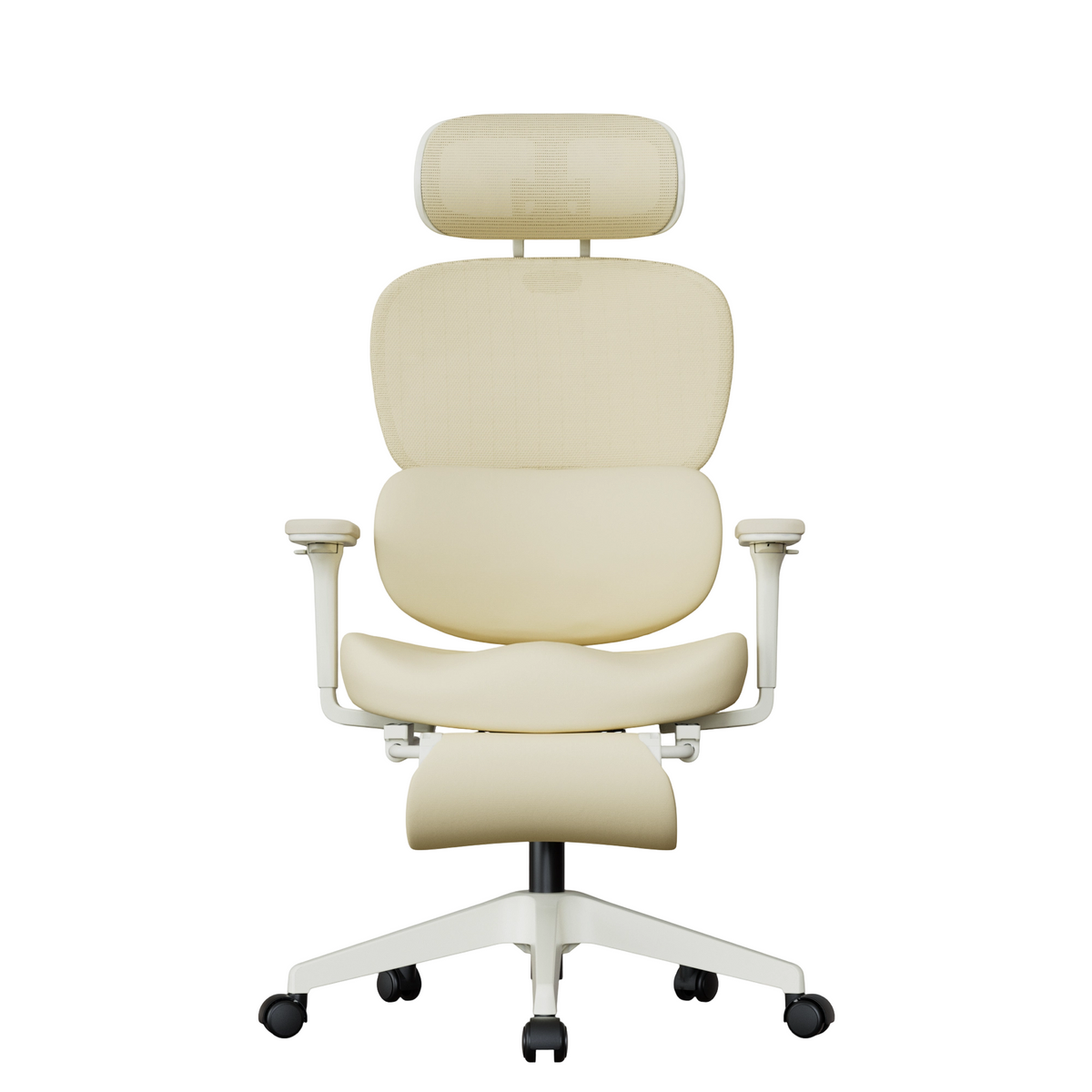
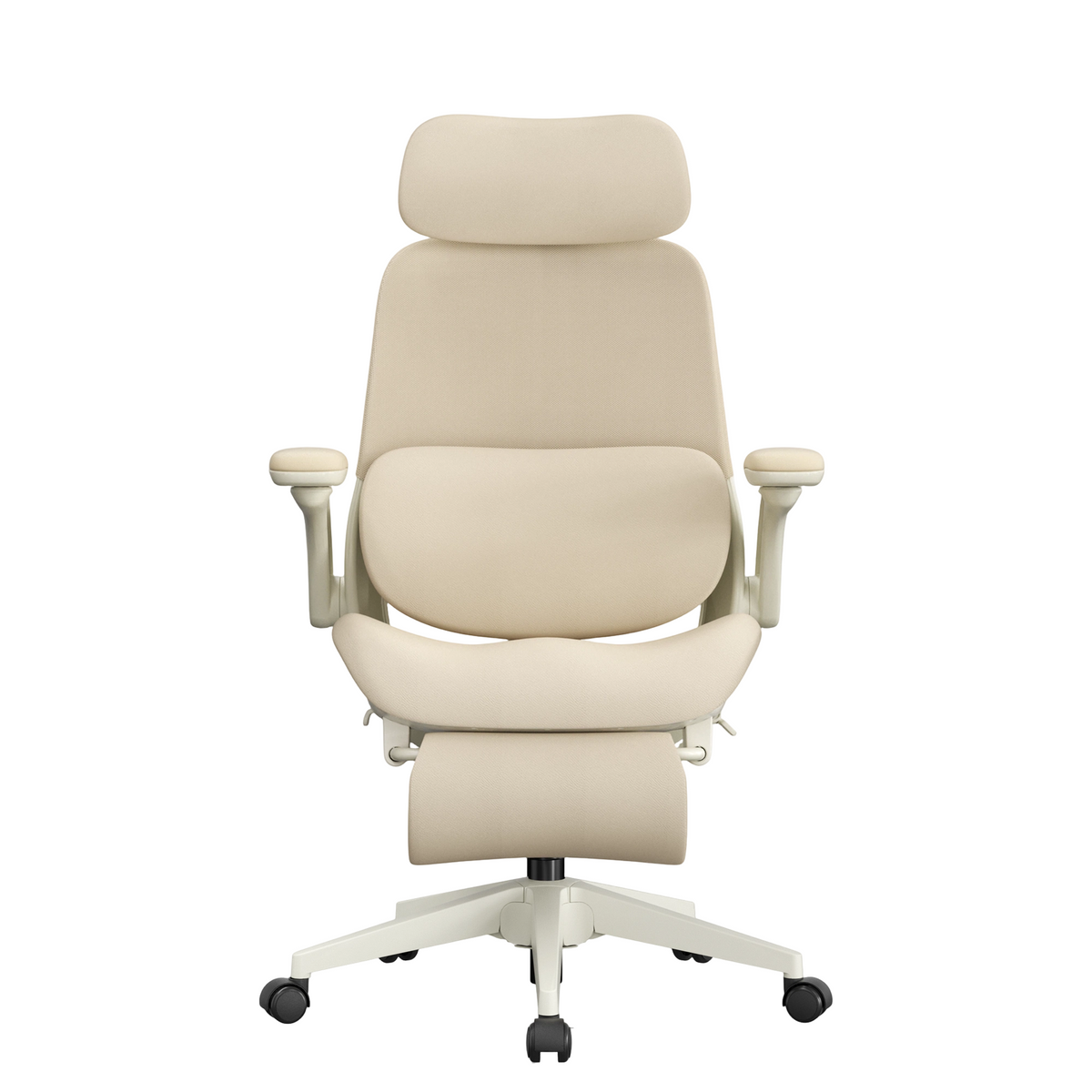
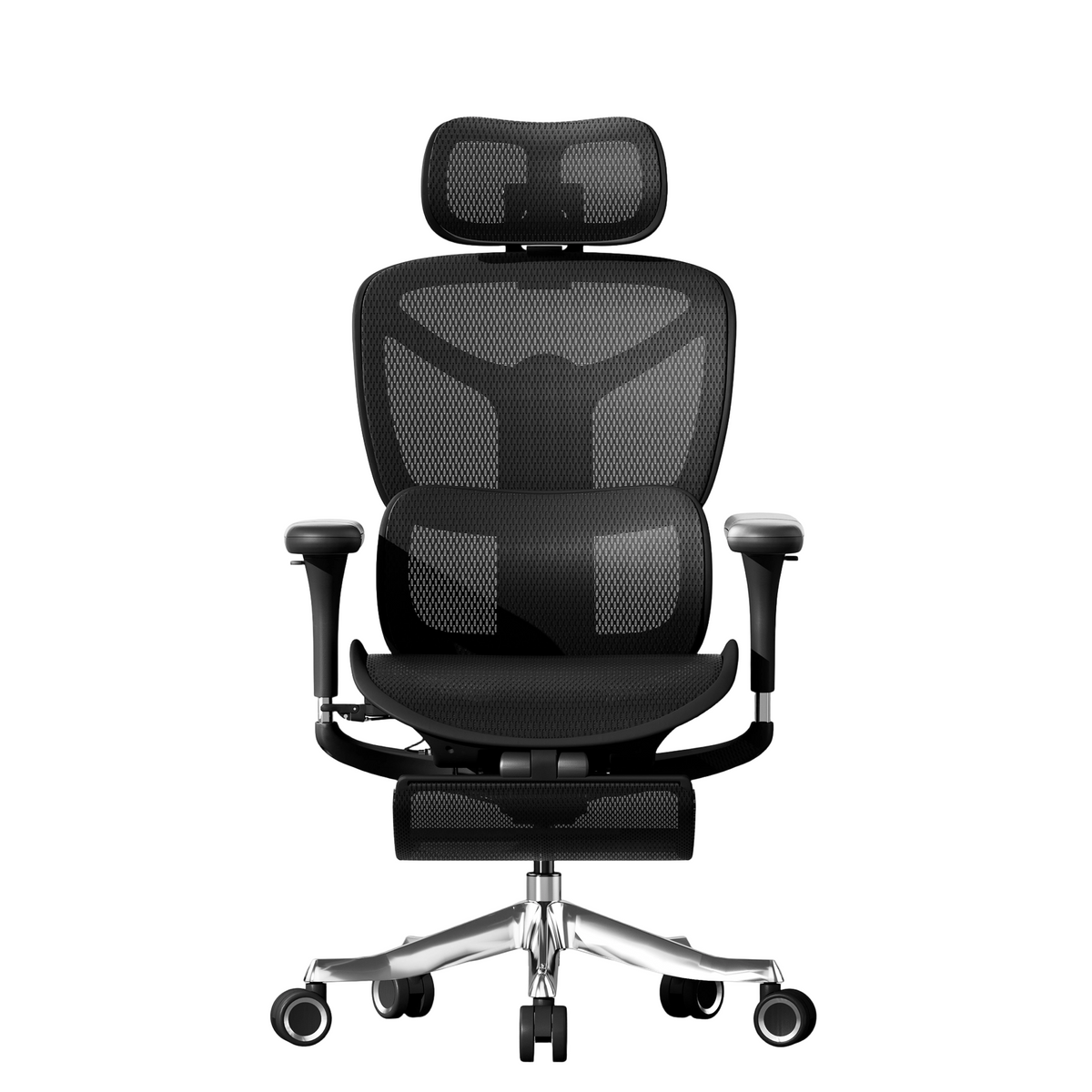
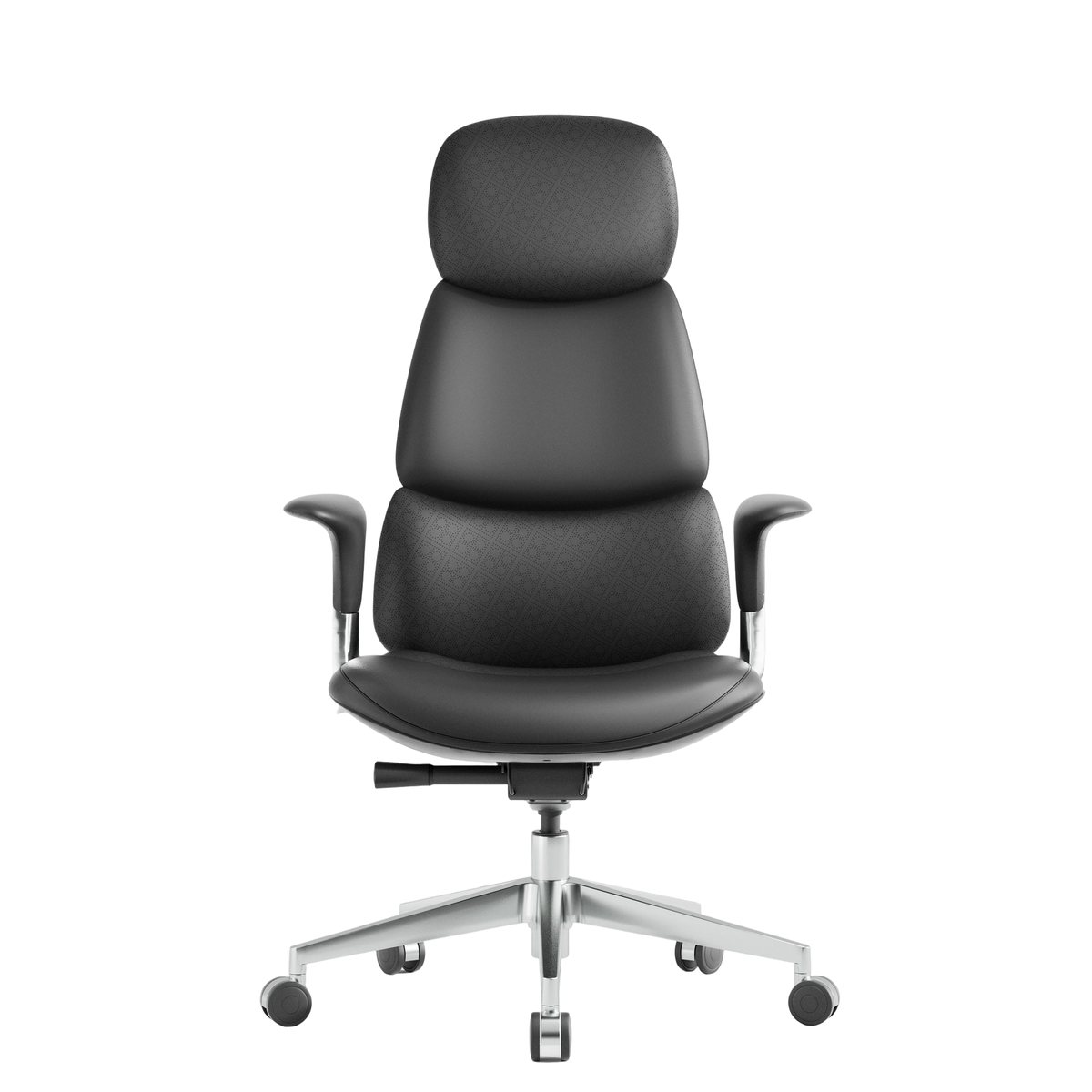
Lumbar support, often referred to as lower-back support, is the part of an ergonomic chair designed to support the inward curve of the lower back. It is usually located in the lower section of the backrest, where it can make contact with the lumbar region.

The human back is not naturally flat, so an office chair backrest should not be treated as a simple flat surface either. A well-designed backrest follows the natural contours of the body and provides support where the back curves inward.
If the lower section of the backrest is too flat or poorly shaped, a gap can form between the lower back and the chair. Lumbar support is intended to fill this space and provide more continuous support when the user leans against the backrest.
Different ergonomic chairs achieve this in different ways. Some rely on the fixed shape of the backrest, while others use a separate lumbar support pad. More advanced designs may allow the support to move vertically, adjust forward and backward, or respond slightly as the user reclines.
Why Do Ergonomic Chairs Need Lumbar Support?
During desk work, people often remain seated for long periods. As time passes, the body may gradually slide forward, the position of the pelvis may shift, or the upper body may move away from the backrest. When this happens, contact between the lower back and the chair is reduced.
If the lower section of the backrest does not provide adequate support, the user may rely more on their own muscles to maintain a stable sitting position. Over time, this can make sitting feel more tiring.
This is why lumbar support is useful on an ergonomic office chair. Its purpose is not to press forcefully into the lower back, but to help the backrest maintain appropriate contact with the body. When the support is positioned correctly, the user can rest more naturally against the chair instead of constantly trying to hold an upright posture.
What Does Lumbar Support Do?
The first role of lumbar support is to improve contact between the backrest and the lower back. This is particularly important during slight recline, when a well-positioned support can reduce the feeling that the lower back is unsupported.
A second function is to help stabilize the sitting position. When the pelvis, lower back, and backrest maintain consistent contact, users are less likely to shift repeatedly in search of a more supportive or comfortable position.
Lumbar support can also improve comfort during longer periods of sitting. In this context, comfort does not simply come from thick or soft padding. It comes from placing support in the right area and avoiding excessive pressure in one small spot.
On ergonomic chairs with a reclining backrest, lumbar support should also work with the movement of the chair. If the support loses contact with the lower back as soon as the user reclines slightly, the continuity of the backrest support is reduced.
Stronger Lumbar Support Is Not Always Better
Many people assume that a lumbar support that feels more pronounced must provide better support. In practice, support intensity is only one part of the design.
If the lumbar support protrudes too far, it can push the body away from the backrest. If it sits too high, it may press into the middle of the back. If it sits too low, the pressure may be concentrated closer to the upper pelvis.
The firmness also matters. A support that is too hard may feel uncomfortable during longer sitting sessions, while one that is too soft may not maintain stable contact with the lower back.
For this reason, the quality of ergonomic chair lumbar support should be judged mainly by whether the support aligns with the natural lower-back curve and whether it creates any obvious pressure points.
A well-designed lumbar support often works best when it does not constantly draw attention to itself. It should simply provide natural support when the user leans back.
Why Adjustable Lumbar Support Fits More Body Types
People differ in height, torso length, and pelvic proportions, so a fixed lumbar support position will not suit every user equally well.
The main advantage of adjustable lumbar support is that it increases the chair’s fit range. Vertical adjustment changes the height of the support, while forward and backward adjustment changes how deeply it contacts the lower back.
Some ergonomic chairs also use flexible or dynamic lumbar systems that maintain a degree of contact as the user changes posture or reclines.
When comparing fixed and adjustable lumbar support, the number of adjustment settings is not the most important factor. What matters more is whether the adjustment range is wide enough to accommodate different body proportions.

Seat Height and Seat Depth Also Affect Lumbar Support
Lumbar support should not be evaluated independently from the rest of the chair.
If the seat depth is too long, shorter users may move forward to make more room behind the knees. Once the pelvis moves away from the backrest, the lumbar support can no longer make proper contact with the lower back.
Similarly, if the seat height is too high and the feet are not well supported, the user’s overall sitting position may shift.
For this reason, seat height, seat depth, and lumbar support should be considered together when choosing an ergonomic office chair. Even a well-designed lumbar support system may not work effectively if the chair dimensions do not fit the user.
How to Tell Whether Lumbar Support Fits You
When shopping online, look at the chair’s minimum seat height, seat-depth range, whether the lumbar support adjusts vertically or forward and backward, and whether it remains in contact with the body while the backrest reclines.
If you can try the chair in person, sit fully back in the seat and allow your upper body to rest naturally against the backrest. Then check where the lumbar support makes contact.
If it fills the space behind the lower back without creating a strong or uncomfortable pressure point, the position and firmness are likely to be reasonably well matched to your body.
It is also useful to adjust the seat height, seat depth, and lumbar position before testing both upright and slightly reclined sitting positions.
Good Ergonomic Chair Lumbar Support Is About Fit, Not Force
The main purpose of ergonomic chair lumbar support is to help the backrest maintain stable and continuous contact with the lower back during desk work.
Lumbar support is not a medical device, and it does not need to create an exaggerated feeling of pressure to be effective.
When choosing a chair, pay attention to whether the lumbar support is positioned correctly, whether the adjustment range suits your body, and whether the seat height, seat depth, and recline mechanism work together with the lower-back support.
For people who spend long hours at a computer, a natural, stable, and adjustable lumbar support system is usually more useful than one that simply feels stronger.
Leave a comment
This site is protected by hCaptcha and the hCaptcha Privacy Policy and Terms of Service apply.