


Why Women May Need an Ergonomic Office Chair That Better Fits Their Body Proportions
Why do women often benefit from an ergonomic office chair that is better matched to their body proportions? The answer starts with anthropometrics. Office chair dimensions such as seat height, seat depth, seat width, lumbar support position, and armrest spacing are all based on measurable body dimensions. While body size varies greatly from one woman to another, women on average tend to be shorter, have lower popliteal height, shorter limb dimensions in some areas, and different relationships between pelvic width, hip width, and torso length.

If an office chair is primarily designed around larger body dimensions, even a feature-rich model can still feel poorly fitted. The seat may be too deep, the lumbar support may sit too high, or the armrests may be spaced too far apart.
A well-designed ergonomic office chair for women therefore should not simply be a smaller version of a standard chair. The more important goal is to optimize key support points and adjustment ranges so they better accommodate a wider variety of female body proportions. Seat height, seat depth, lumbar support position, and armrest spacing all play a direct role in whether the chair remains comfortable during long periods of desk work.
Seat Height and Seat Depth Are the First Fit Issues to Consider
For many women, especially those who are shorter, seat height has an immediate effect on sitting posture. If the seat cannot be lowered enough, the feet may not rest securely on the floor and the front edge of the seat may place more pressure under the thighs.
To compensate, the user may slide forward. Once the pelvis moves away from the backrest, the lumbar support can no longer contact the lower back as intended.
Seat depth creates a similar problem. When the seat pan is too deep, the front edge can sit too close to the back of the knees, particularly for users with shorter legs. To relieve that pressure, the user often moves forward on the seat, which further reduces the effectiveness of the lumbar support.
This is why seat height and seat depth should be considered together when choosing an ergonomic office chair for women. A lower starting seat height, combined with adjustable seat depth, makes it easier for users with different leg lengths to sit fully back against the chair while keeping their feet naturally supported on the floor.
A W-Shaped Seat Can Improve Pelvic Stability and Thigh Support
Seat comfort is not determined by softness alone. The shape of the seat also influences how the pelvis is supported and how pressure is distributed across the buttocks and thighs.
Because women often carry a greater proportion of soft tissue around the hips and thighs, poorly supported seating can create noticeable pressure during long periods of sitting. A seat cushion that is too flat or loses its shape easily may provide limited support over time.
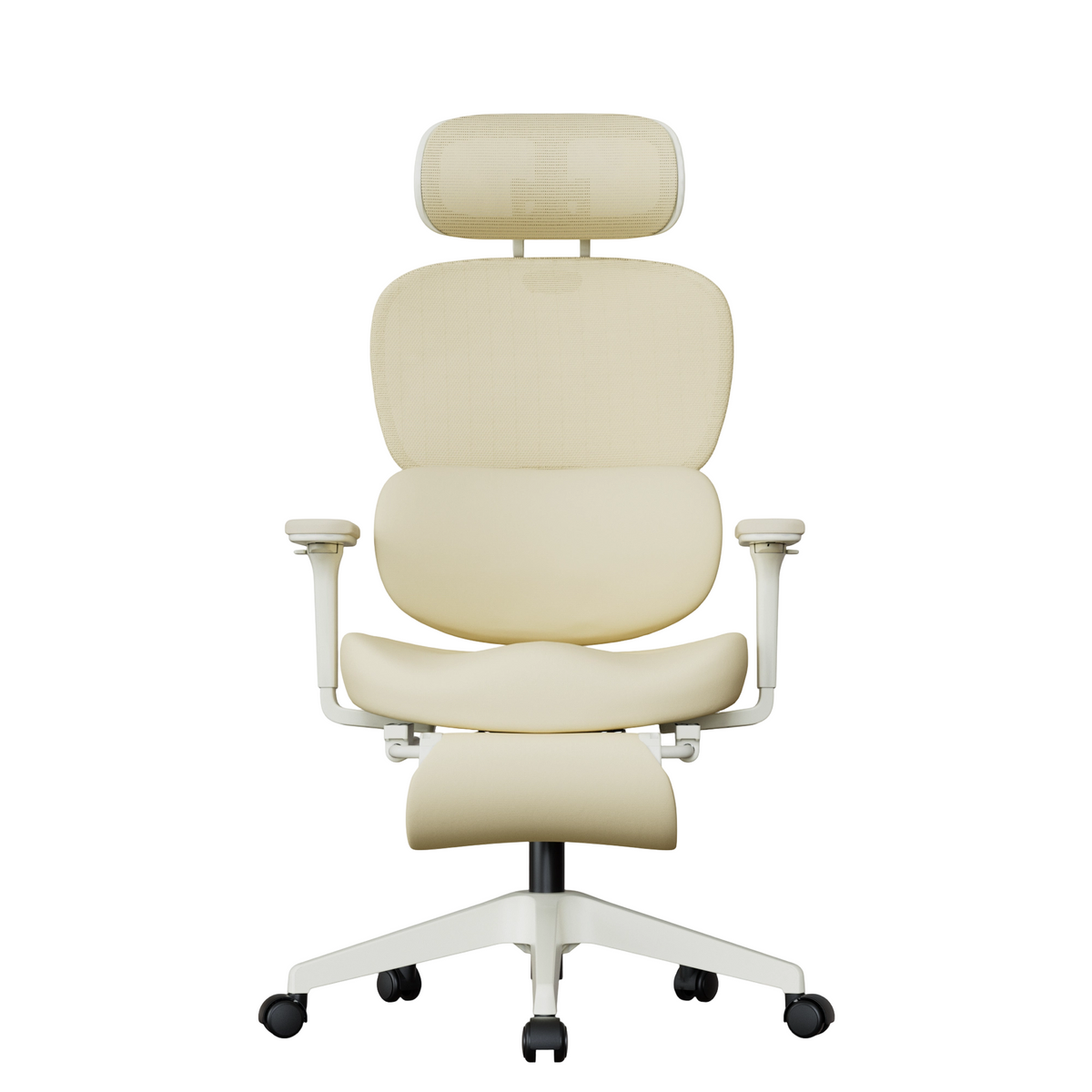
For this reason, some ergonomic office chairs designed with female users in mind use a W-shaped seat profile. The purpose of this shape is to create more defined support zones on the left and right sides of the seat, helping support the buttocks and sitting bones while keeping the pelvis more centered.
The central transition in a W-shaped seat also helps the thighs extend forward without being forced into an unnatural position. When combined with supportive molded foam, the design can provide a softer feel while still maintaining enough structure to distribute pressure more evenly.
A W-shaped seat is not automatically better simply because of its shape. Its effectiveness still depends on seat width, seat depth, foam density, contour, and front-edge design. The real value comes from how well the seat supports the pelvis while reducing concentrated pressure around the hips and upper thighs. The source article specifically emphasizes this combination of W-shaped contour and supportive foam as part of the seat design.
Adjustable Lumbar Support Better Accommodates Different Torso Lengths
Lumbar support is one of the most important features on an ergonomic chair, but for many women, the position of the support matters more than how strong it feels.
If the lumbar support is fixed too high, users who are shorter or have a shorter torso may feel the support pressing above the lumbar region rather than into the natural curve of the lower back. In that case, the area that actually needs support may still remain poorly supported.
A more adaptable design allows the lumbar support to move vertically and, in some cases, forward and backward. This makes it easier to align the support with the natural lumbar curve and adjust how strongly it contacts the lower back.
For a women-friendly ergonomic chair, this flexibility can make a significant difference because it allows the chair to accommodate a broader range of body proportions instead of relying on one fixed support position.
Armrest Spacing Affects Shoulder and Arm Position
Women generally have narrower shoulder breadth than men on average, so armrest spacing is another important fit consideration.
Many ergonomic chairs allow the armrests to move up and down, but do not provide enough inward adjustment. If the armrests are too far apart, the elbows must move outward in order to reach them while typing. This can make it harder for the shoulders to remain relaxed.
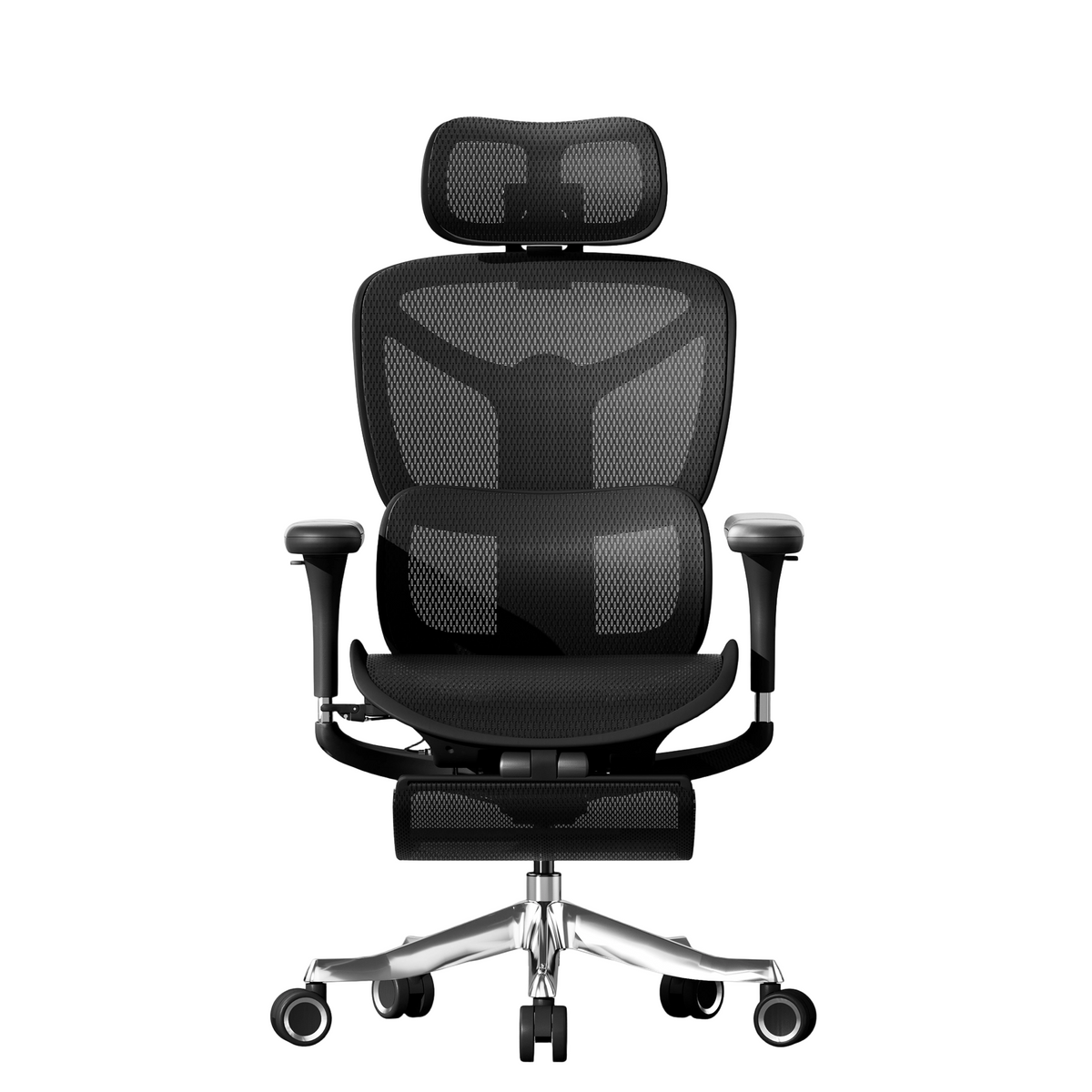
This is where 4D or 6D armrests can be useful. In addition to height adjustment, they may allow the arm pads to move inward or outward, forward or backward, and rotate to different angles. These additional directions help bring the support closer to the body.
When evaluating an ergonomic office chair for women, the most important armrest details are not the number of adjustment directions alone, but the minimum width between the armrests, the lowest usable height, and how far inward the pads can move.
Headrest, Recline, and Footrest Functions Support a Wider Range of Resting Positions
The headrest on an ergonomic office chair is mainly useful when the body is slightly reclined, such as during reading, video meetings, or short breaks. For shorter users, a fixed headrest that does not move low enough may contact the top of the head instead of supporting the back of the head or neck.

A 3D headrest can provide more flexibility through height, angle, and fore-aft adjustment. This makes it easier for users with different heights and torso lengths to find a better support position.
When paired with multi-position recline locking, the chair can also support a wider range of postures, from upright work to mild recline and short periods of rest.
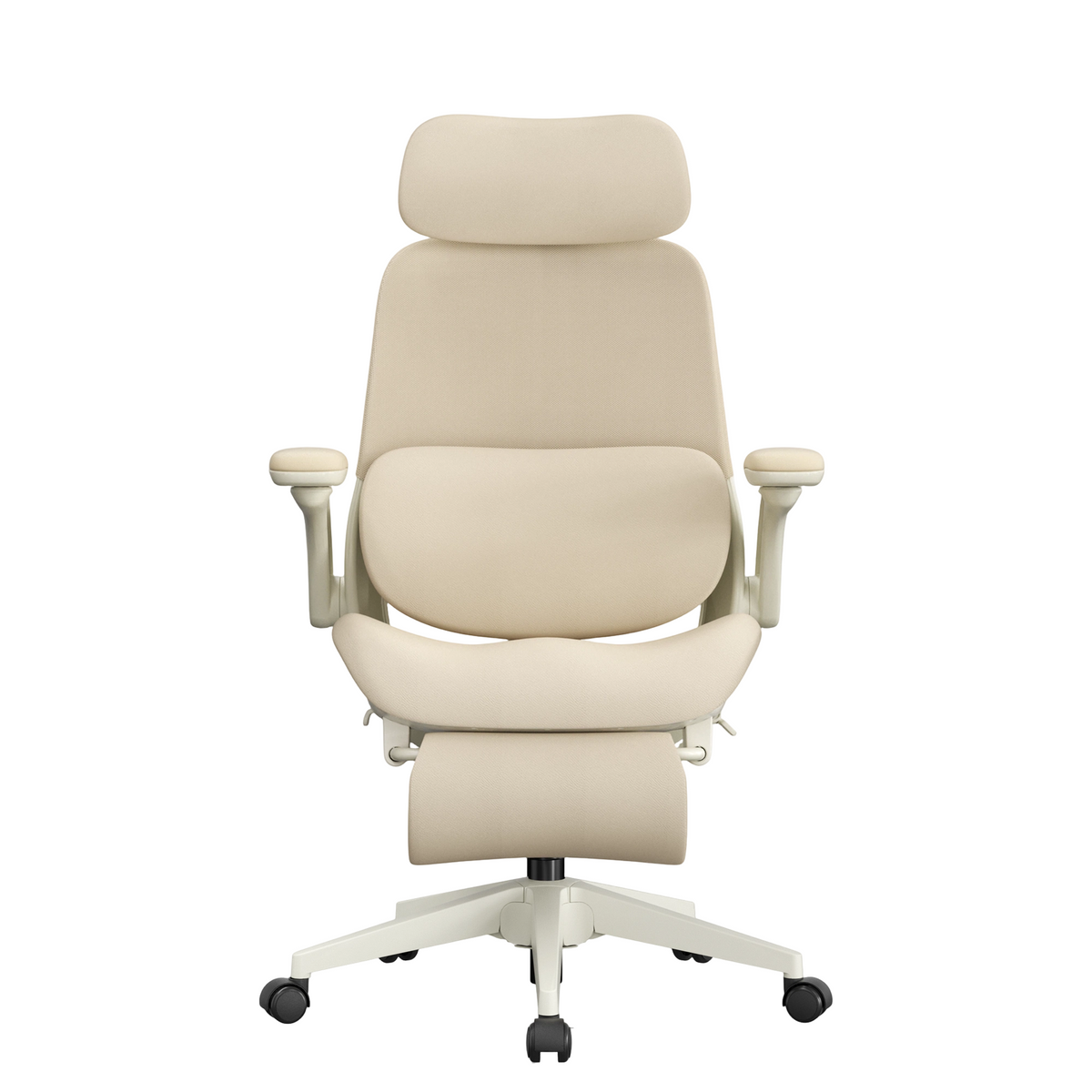
A retractable footrest adds support for the lower legs and feet while reclining. For people who work from home for long hours, the purpose is not to turn an office chair into a lounge chair, but to make it easier to change posture during the day. The source article treats the headrest, recline, and footrest as a group of features designed to support these more relaxed sitting positions.
Lightweight Construction and Color Options Matter in a Home Office
Modern ergonomic chairs are increasingly used in bedrooms, home offices, and shared living spaces rather than only in traditional corporate offices. This means the chair also becomes part of the room itself.
For many users, especially in smaller spaces, chair weight can have a practical effect on daily use. A lighter chair is easier to move away from the desk, reposition, or use in different areas of the room.
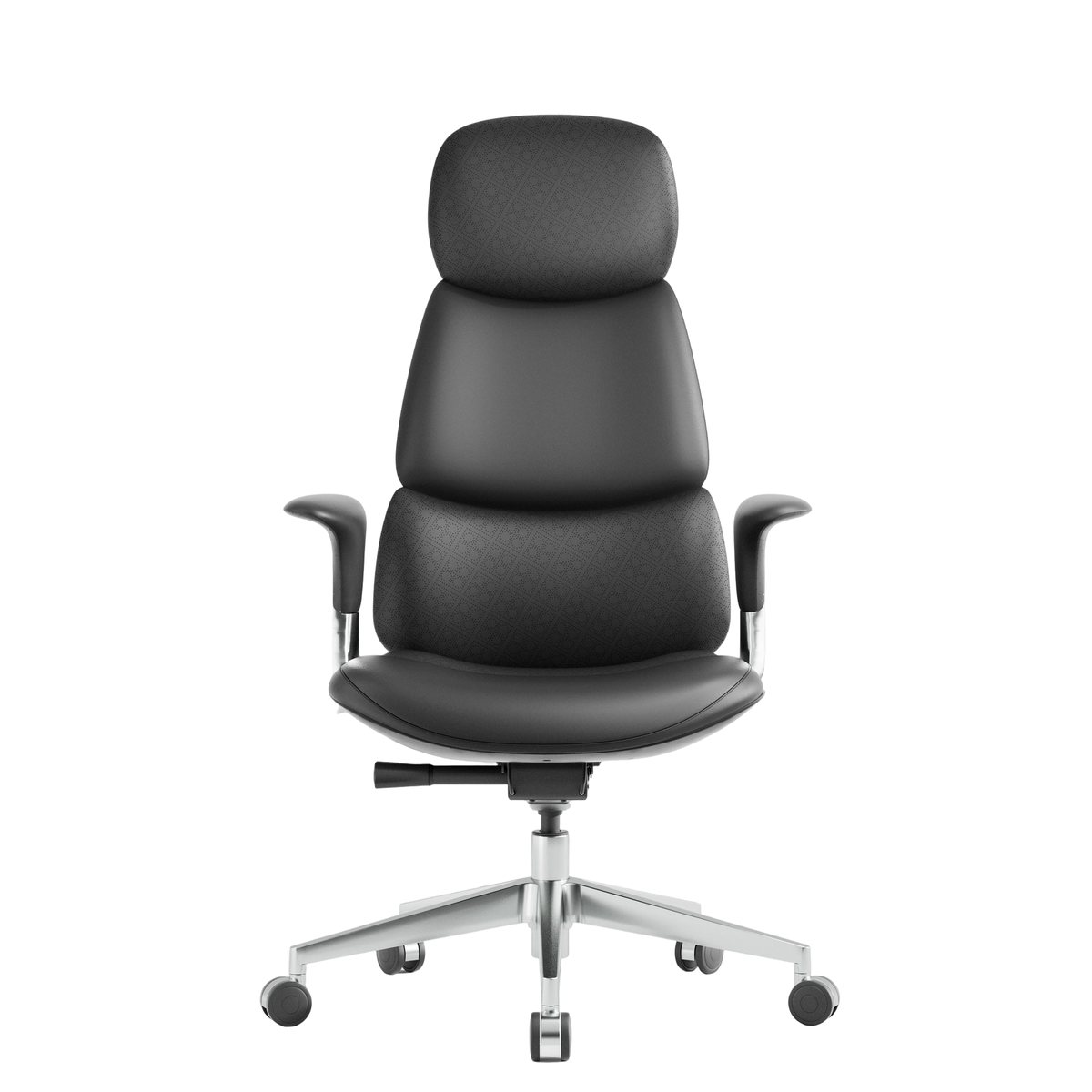
Color options also matter more in home environments. Pink, cream, green, blue, and other softer colors allow users to choose a chair that works with their personal style and interior design rather than defaulting to traditional black or gray.
These visual and practical details do not replace ergonomic fit, but they can make a well-designed chair easier to live with day to day.
What Makes an Ergonomic Office Chair More Suitable for Women?
A chair that is genuinely well suited to female users should allow the feet to rest naturally on the floor, provide continuous support under the thighs, keep the pelvis stable, place the lumbar support at the correct height, and let the armrests move into a natural position close to the body.
Features such as a W-shaped seat, 3D headrest, 4D armrests, adjustable lumbar support, multi-position recline, retractable footrest, lightweight construction, and multiple color choices become meaningful when they support those basic fit requirements rather than simply adding more items to a specification sheet.
For women who spend long hours working at a desk or from home, chair fit should remain the priority. The better a chair can accommodate differences in height, leg length, shoulder width, and torso proportions, the more effectively its ergonomic features can work as intended.


