


Your Ultimate Guide to Preventing Office Chair Butt—From Ergonomic Chairs to Smart Habits
If you spend most of your workday sitting at a desk, you might have heard the term “office chair butt.” It refers to the changes that can happen to your glutes and posture when sitting for extended periods — loss of muscle tone, reduced shape, stiffness, and general discomfort.

But it doesn’t have to be that way. With the right setup — especially a well-designed ergonomic chair — combined with smart daily habits and movement, you can prevent office chair butt, stay comfortable, and even improve posture and overall health. This post dives deep into how to do that.

What Is “Office Chair Butt” — and Why It Happens
The science behind it
“Office chair butt” isn’t a medical term — but it captures a real phenomenon. When you sit for prolonged periods without movement, your gluteal muscles (the muscles that shape your butt) get under-used. Over time they can weaken, lose tone, and even atrophy. As muscle mass shrinks, fat tissue may accumulate, which is softer and less firm than muscle, making the butt appear flatter, softer, or saggy.
According to experts, this muscle weakening doesn’t just affect how you look — it also affects posture, spinal alignment, and overall lower-body strength.
Sitting too long = pressure & muscle neglect
Sitting continuously — especially in a poorly designed or unsupportive chair — places pressure on your glutes, pelvis, and lower back. Meanwhile, muscles around your hips, glutes, and core become inactive. Over time, reduced circulation, compressed tissue, and lack of muscle engagement lead to stiffness and the dreaded “office chair butt.”
In short: the problem isn’t necessarily your butt — it’s how you sit, how long you sit, and what kind of seat you use.
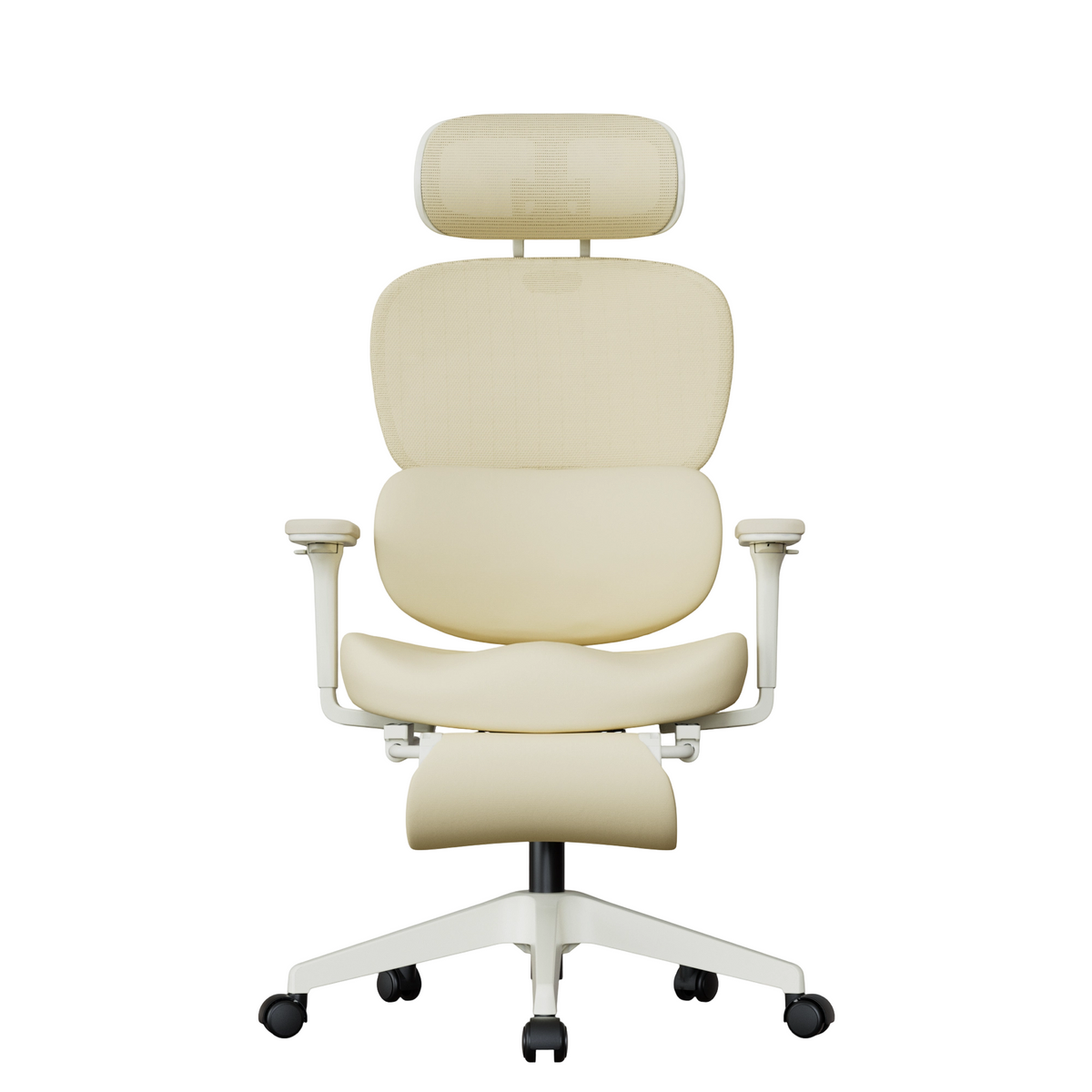
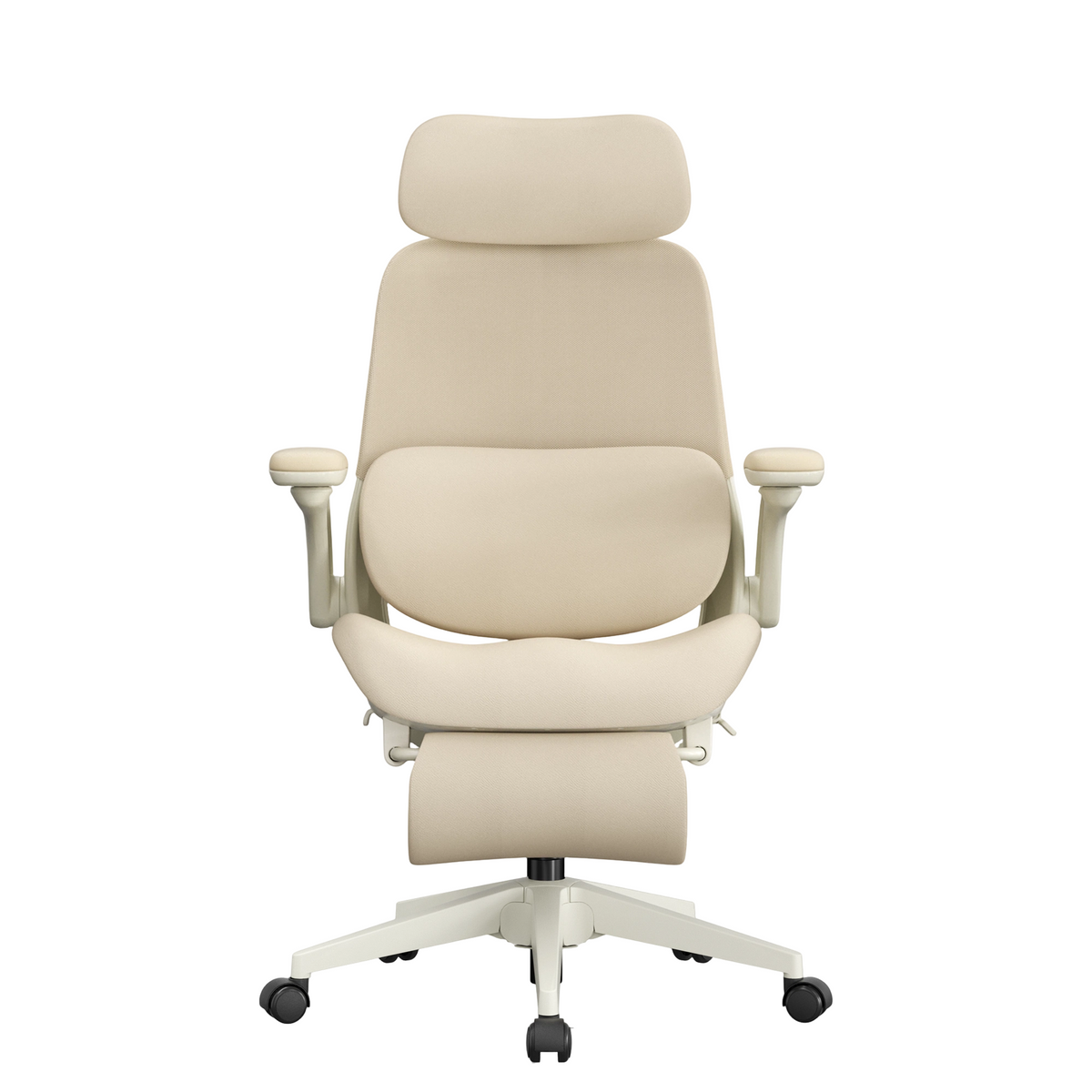
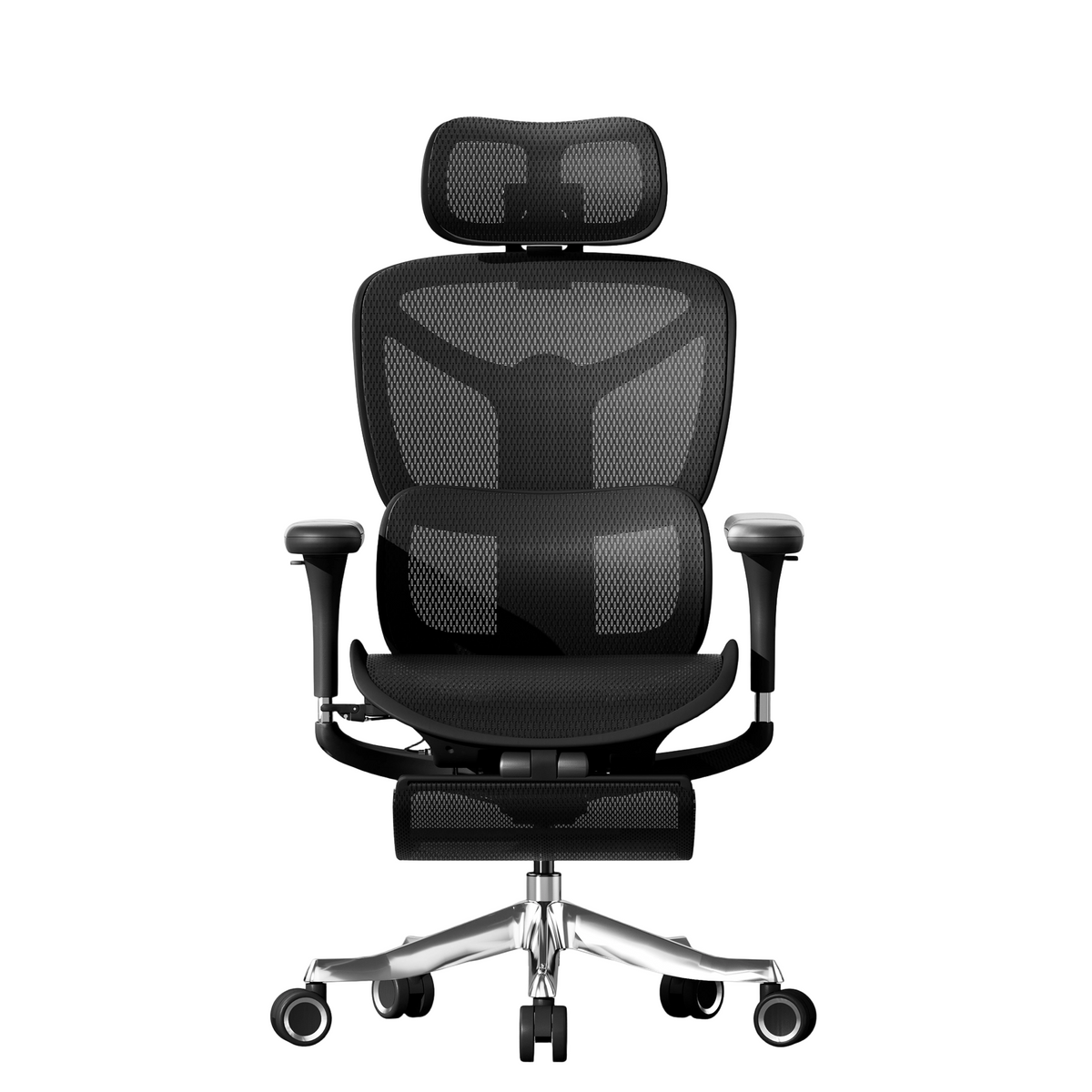
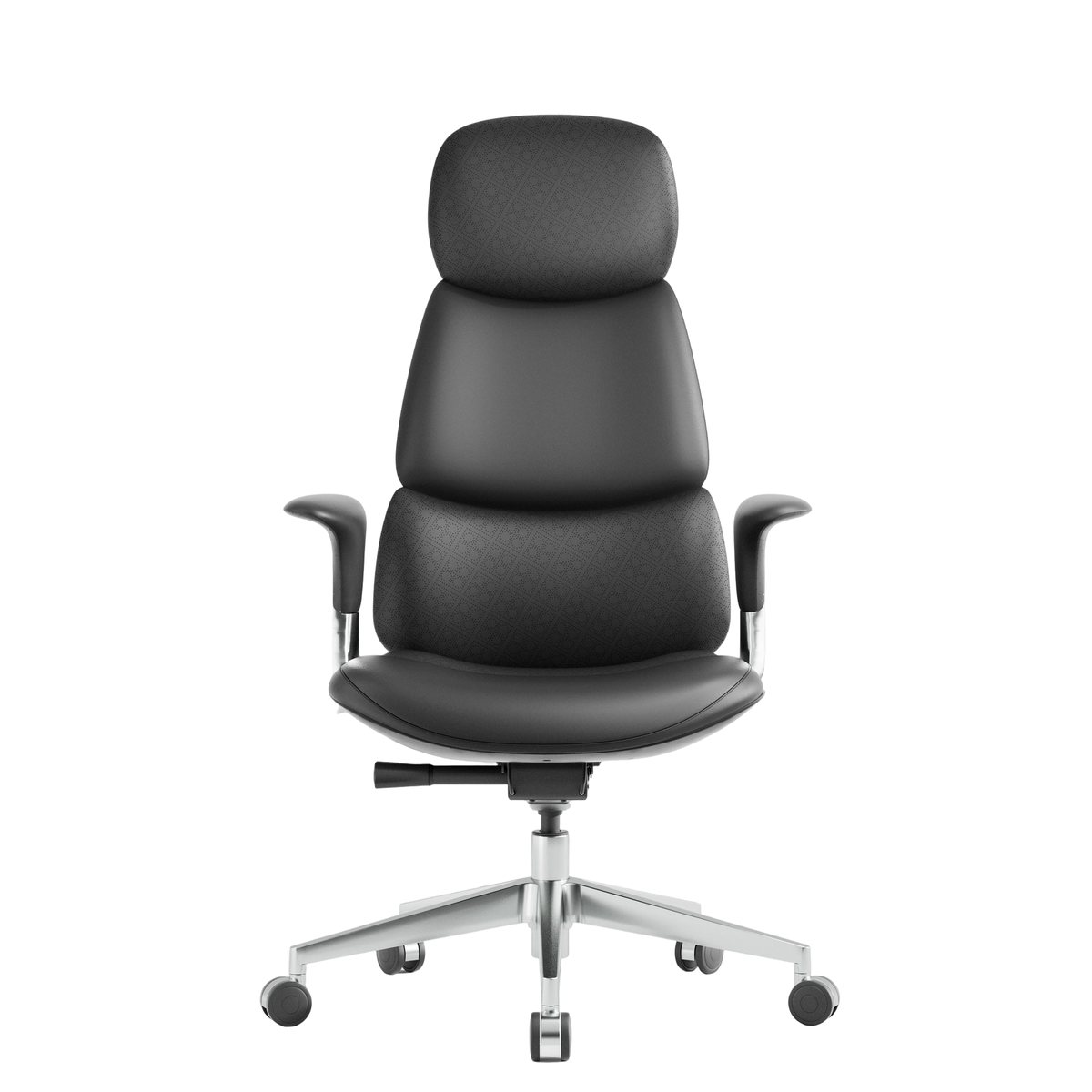
Why an Ergonomic Chair Matters
Upgrading your workstation and investing in a quality ergonomic chair can make a huge difference — but ergonomic support works best when paired with everyday movement and posture habits. Here’s why your chair matters:
Proper support for spine and pelvis
A good ergonomic chair aligns your spine, supports your natural back curve, and distributes weight evenly. This reduces pressure on your glutes and coccyx, helping prevent soreness and muscle compression.

Adjustability to fit your body
Adjustable seat height, depth, tilt, and lumbar support allow your ergonomic chair to fit your posture: feet flat, knees ~90°, hips aligned.
Less pressure, more comfort over long hours
A supportive ergonomic chair minimizes numbness, discomfort, and stiffness caused by long sitting sessions.
But: Even with the best ergonomic chair, sitting for hours without movement still affects glutes and posture. That’s why a combination of ergonomics + healthy habits is the winning formula.

10 Effective Strategies to Prevent Office Chair Butt and Stay Fit at Your Desk
1. Sit properly — posture matters
Good posture is the foundation:
-
Hips all the way back in the chair
-
Feet flat, knees ~90°
-
Spine aligned, shoulders relaxed
-
Avoid crossing legs or leaning to one side
Even with ergonomic support, poor posture reduces the chair’s effectiveness
2. Sit all the way back and adjust your ergonomic chair properly
Make sure your ergonomic chair’s backrest supports your lower back. The seat depth should leave space behind your knees.
Adjust height so feet are fully planted; use a footrest if needed.
3. Take regular breaks — stand up, walk, stretch
The biggest cause of office chair butt is uninterrupted sitting. Experts recommend standing or walking every 30–60 minutes.
Even two-minute walks or gentle stretches restore circulation and reactivate muscles.
4. Use sit-stand setups when possible
Alternate between sitting and standing to reduce continuous pressure on glutes and spine.
Even standing for calls or emails helps.
5. Do seated glute and lower-body exercises
You can activate glutes even while sitting:
-
Glute squeezes
-
Heel/toe lifts, ankle circles, leg lifts
-
Gentle pelvic tilts or core activation
6. Maintain a regular exercise routine
Outside of work hours, incorporate lower-body exercises such as squats, lunges, bridges, and walking.
This preserves muscle tone and prevents atrophy.
7. Stretch hips, glutes, and lower back regularly
To counter tightness caused by sitting:
-
Hip-flexor stretches
-
Hamstring & glute stretches
Stretching a few times a day reduces stiffness and improves posture.
8. Use seat cushions or padding if your chair is firm
Memory foam or gel cushions can improve comfort and reduce pressure if your current office chair lacks adequate support.
9. Keep workspace ergonomics in check
Preventing office chair butt requires the whole workstation to support you:
-
Desk height aligned with elbows
-
Monitor at eye level
-
Feet flat, no leg crossing
Ergonomics + posture = long-term comfort.
10. Prioritize overall wellness — hydration, nutrition, rest
Healthy muscles rely on hydration, nutrients, and sleep.
Supporting your body outside of work helps maintain posture and muscle tone.

Ergonomics + Habits = The Most Effective Solution
Instead of thinking of your ergonomic chair as the only fix or thinking habits alone will solve everything — it's the combination that works best.
-
The ergonomic chair gives your body the support, alignment, and pressure relief it needs.
-
Your habits — movement, stretching, posture, exercise — keep your muscles engaged and healthy.
Together, they create a system that prevents “office chair butt,” improves posture, and reduces discomfort far better than either approach alone.
Quick Daily & Weekly Checklist to Beat Office Chair Butt
(kept fully intact for you)
| Habit / Action | How Often | Why It Matters |
|---|---|---|
| Sit with proper posture | Whenever seated | Reduces pressure and supports alignment |
| Adjust ergonomic chair settings | Setup + weekly | Reduces strain and pressure |
| Stand/move every 30–60 min | Daily | Restores circulation |
| Seated glute/leg movements | Hourly | Keeps muscles active |
| Sit-stand alternation | Whenever possible | Reduces continuous compression |
| Stretch hips/glutes/back | 2–3× daily | Prevents stiffness |
| Lower-body workouts | 2–4× weekly | Builds muscle tone |
| Add seat cushion if needed | As needed | Improves comfort |
| Check full workstation ergonomics | Setup + periodic | Supports healthy posture |
| Hydrate, eat well, rest | Daily | Supports muscle health |
Final Thoughts
If your job requires long desk hours, “office chair butt,” back pain, or stiffness may feel inevitable — but they don’t have to be.
A supportive ergonomic chair gives your body the foundation it needs. And pairing that ergonomic support with movement, stretching, muscle activation, and good posture habits will be better for your overall comfort and health.
Your body was meant to move. With the right combination of ergonomics + consistent habits, you can stay fit, comfortable, and pain-free — even through long workdays.


Leave a comment
This site is protected by hCaptcha and the hCaptcha Privacy Policy and Terms of Service apply.