



The Risks of Sitting in the Wrong Chair
In today’s world, sitting for long hours has become inevitable. Whether it’s for work, leisure, or commuting, many of us spend a significant portion of our day sitting. However, the quality of the chair we sit in is often overlooked. Sitting in the wrong chair can lead to discomfort, pain, and long-term health issues. If you’re using a chair that doesn’t support your body properly, you might be unknowingly putting your health at risk.

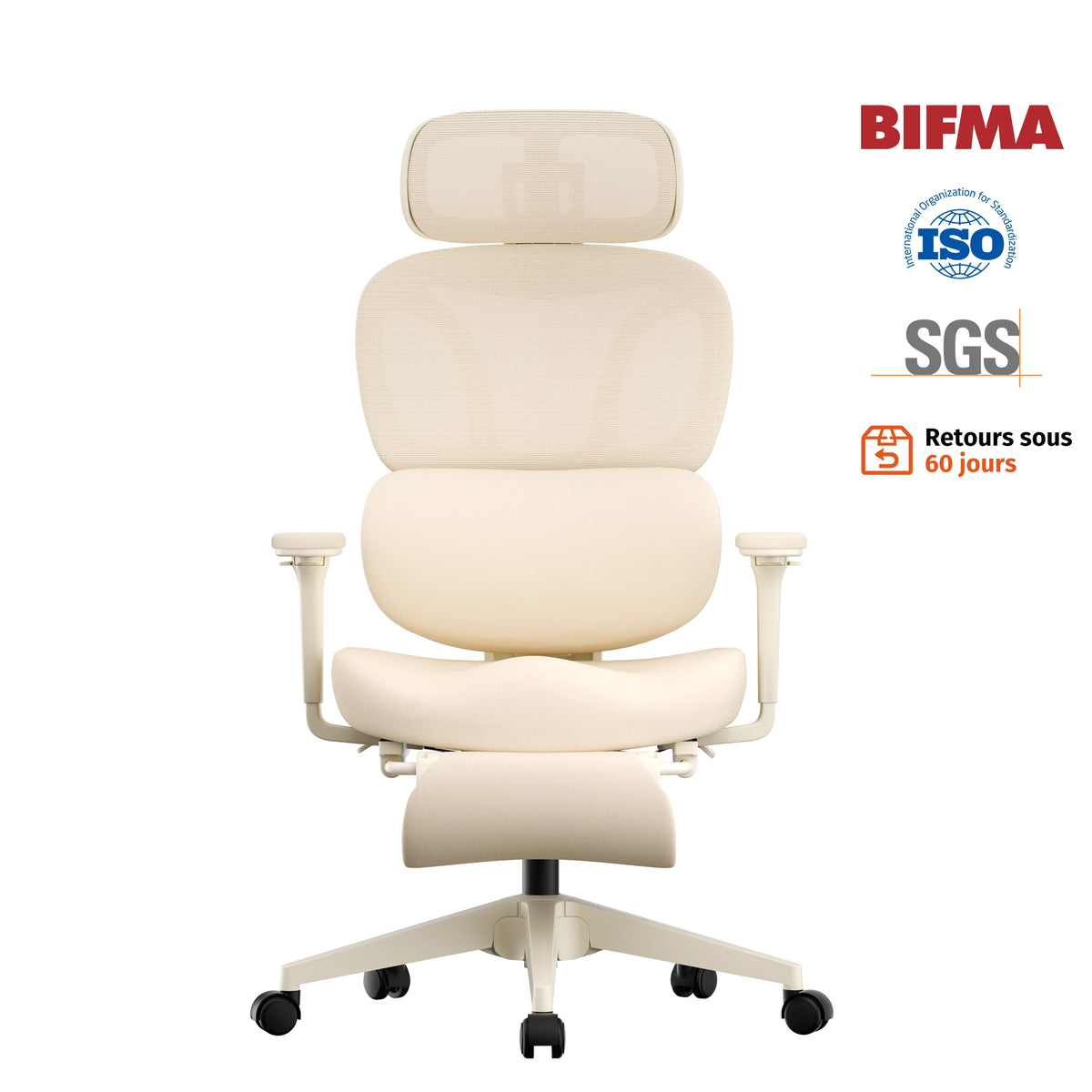
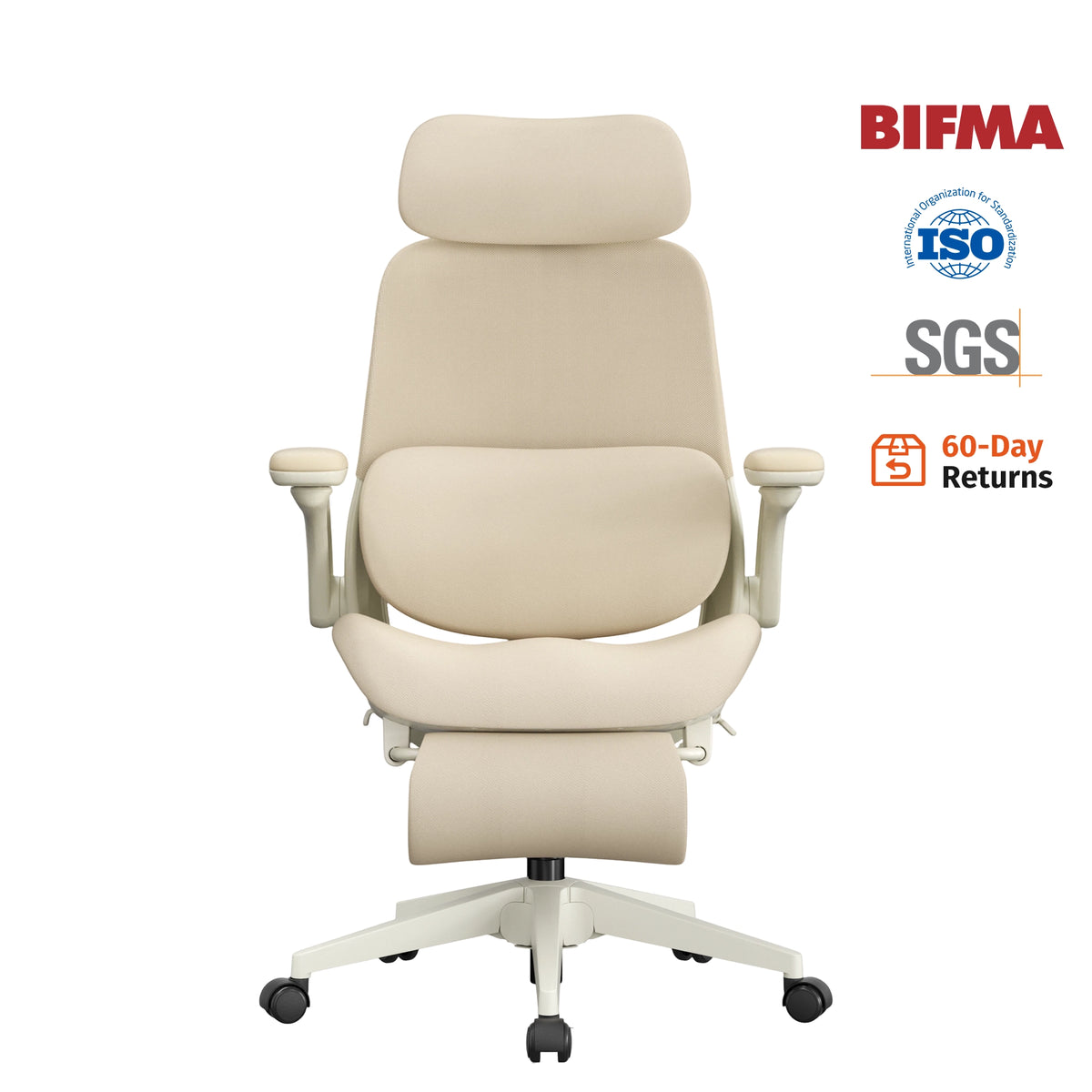
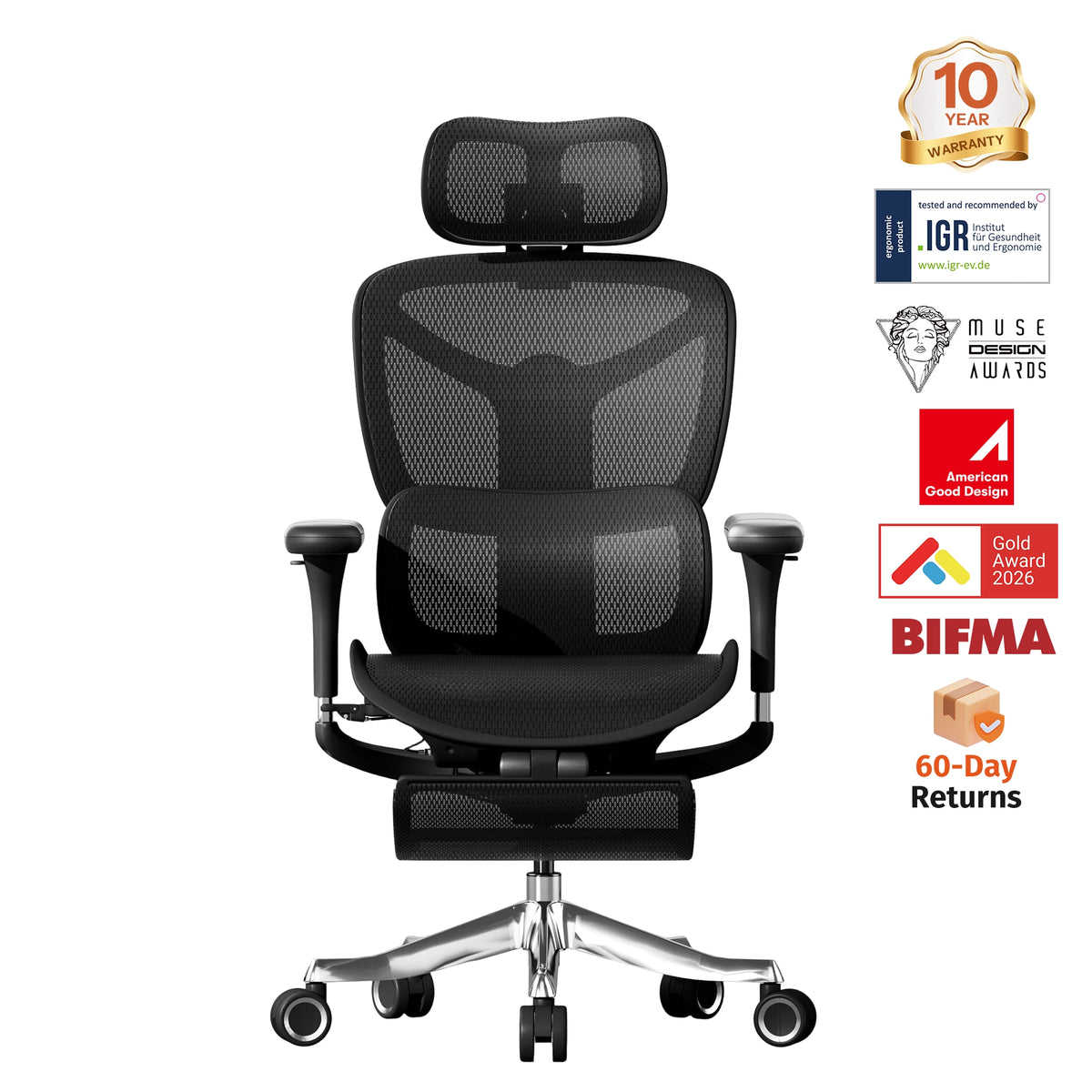
The ergonomics chair is designed to reduce these risks by providing the proper support and alignment for your spine, joints, and muscles. In this article, we’ll explore the risks of sitting in the wrong chair, the benefits of an ergonomic chair, and how to make sure your seating is supporting your health.
Why Sitting in the Wrong Chair is Dangerous
1. Back and Neck Pain
The most obvious consequence of sitting in the wrong chair is back pain. Poor posture caused by unsupportive chairs can lead to a variety of spinal problems. Over time, sitting in a chair without proper lumbar support or an adjustable backrest can cause muscle strain, spinal misalignment, and chronic discomfort. This pain often starts as minor aches and escalates into more serious conditions like herniated discs or sciatica.
Neck pain is another common issue caused by the wrong chair. Chairs that force you to lean forward or strain your neck to look at your screen can result in tension headaches and muscle stiffness in the cervical spine. Without proper neck support, your neck muscles become overworked, leading to chronic neck pain.
2. Poor Posture and Spinal Alignment
The spine is naturally curved, and the wrong chair often prevents it from maintaining its natural shape. A chair without lumbar support forces the spine to curve unnaturally, leading to slumping or hunching. This causes muscle imbalances and places extra pressure on your discs and joints. Over time, poor posture becomes a habit, leading to permanent spinal misalignment.
Sitting in a chair that doesn't support your natural spinal curve can result in kyphosis (rounded upper back) and lordosis (exaggerated inward curvature of the lower back). These issues can cause ongoing pain and reduce your ability to perform basic activities, such as walking, bending, or standing for long periods.
3. Reduced Circulation and Leg Discomfort
When you sit for extended periods in a chair that doesn’t provide adequate support or adjustability, your circulation can be compromised. Chairs that don’t allow for proper leg positioning can restrict blood flow, causing your legs to feel numb or heavy. This can result in swelling and varicose veins.
Prolonged sitting in poor positions can also increase the risk of developing deep vein thrombosis (DVT), a condition where blood clots form in the legs. These blood clots can be dangerous if they travel to the lungs or heart.
The Benefits of an Ergonomics Chair
An ergonomics chair is specifically designed to promote healthy sitting posture, reduce the risk of musculoskeletal issues, and enhance comfort for long periods of sitting. The right ergonomic chair provides several advantages over a standard office chair, including:
1. Improved Posture and Spinal Support
One of the main goals of an ergonomic chair is to support the natural curvature of your spine. An ergonomic chair provides lumbar support to fill the lower back’s curve, preventing slouching and promoting healthy posture. With the proper support, your spine stays in a neutral position, reducing the strain on your muscles and joints.
The adjustable backrest and tilt mechanism in ergonomic chairs allow users to adjust their sitting position throughout the day. This reduces the risk of spinal misalignment, helps maintain better posture, and encourages movement, all of which are important for overall spinal health.
2. Enhanced Comfort
The key to comfort is not just cushioning but proper alignment. An ergonomic chair is designed to distribute body weight evenly across your back, hips, and legs, reducing pressure on any one area. With an ergonomic chair, you’re more likely to experience less discomfort and fatigue, especially during long working hours.
Additionally, the seat depth and height adjustments allow you to find the perfect fit for your body, which helps relieve pressure on your thighs, hips, and lower back. The adjustable armrests ensure your arms remain relaxed and supported, reducing strain on your shoulders and neck.
3. Improved Circulation
Ergonomic chairs promote healthy circulation by allowing you to adjust your posture frequently. Proper leg positioning encourages blood flow, preventing numbness, tingling, and poor circulation. Chairs with adjustable seat depth allow your knees to stay at a 90-degree angle, ensuring that blood flow to your legs isn’t restricted.
Some ergonomic chairs also feature footrests to elevate your legs slightly, which further enhances circulation and prevents swelling and discomfort in your lower body.
4. Reduced Risk of Health Issues
The right ergonomic chair can help prevent long-term health issues associated with prolonged sitting, such as:
-
Chronic back and neck pain
-
Muscle strain
-
Joint pain
-
Poor circulation
-
Carpal tunnel syndrome (if armrests are properly adjusted)
By investing in an ergonomic chair, you’re not only improving comfort but also lowering the risk of developing musculoskeletal disorders, which can become more severe over time.

How to Choose the Right Ergonomic Chair
When shopping for an ergonomic chair, there are several key features you should look for to ensure maximum comfort and support:
1. Lumbar Support
Make sure the chair provides adjustable lumbar support that fits the curve of your lower back. A chair without lumbar support can lead to slouching and increased pressure on your spine.

2. Seat Height and Depth Adjustment
The seat height should be adjustable so that your feet are flat on the floor, and your knees are at a 90-degree angle. Seat depth should also be adjustable to ensure your thighs are fully supported without putting pressure behind your knees.

3. Backrest Recline and Tilt Mechanism
A chair with a recline function and tilt tension adjustment allows you to adjust your backrest to different positions. This promotes movement throughout the day and prevents staying in a fixed position for too long.

4. Armrest Adjustments
Adjustable armrests are crucial for reducing shoulder and neck strain. Make sure the armrests are at a height where your elbows remain at a 90-degree angle when typing or using a mouse.

5. Quality Materials
Look for chairs made with breathable fabric or mesh to prevent heat buildup. The seat should be well-padded, but not so soft that it causes bottoming out. High-quality materials improve both comfort and durability.
Final Thoughts: The Importance of Sitting Smart in 2026
Sitting in the wrong chair might seem harmless at first, but over time, it can lead to a host of health issues that affect your quality of life. Whether you're working from home, in an office, or at a desk for long periods, sitting smarter is essential for overall health and productivity.
An ergonomic chair provides the necessary support, comfort, and flexibility to maintain a healthy posture, reduce pain, and prevent long-term damage. By investing in the right chair, you’re ensuring that your body stays aligned, comfortable, and healthy throughout the workday.
If you’re experiencing discomfort or pain due to sitting in a poor-quality chair, consider upgrading to an ergonomic chair that suits your body and work habits. It’s an investment in your health that will pay off for years to come.


Leave a comment
This site is protected by hCaptcha and the hCaptcha Privacy Policy and Terms of Service apply.