


What Happens If You Sit in the Same Position for Too Long?
In today’s modern work culture, sitting has become unavoidable. Whether you’re working at a desk, attending virtual meetings, gaming, or scrolling on your phone, many people remain seated for hours without realizing the impact it has on their bodies. While sitting itself isn’t inherently bad, sitting in the same position for too long—especially in a poorly designed office chair—can quietly lead to discomfort, posture problems, and long-term health risks.

This article explores what happens to your body when prolonged sitting becomes the norm, why posture and movement matter, and how choosing the right ergonomic chair can help reduce the damage.
Why Prolonged Sitting Is So Common Today
Office jobs, remote work, and digital lifestyles have dramatically increased daily sitting time. Many adults now sit 6–10 hours per day, often without enough movement or posture changes.
The problem isn’t just sitting—it’s static sitting:
-
Sitting without shifting positions
-
Sitting without lumbar support
-
Sitting without standing or walking breaks
Over time, the body adapts to these habits in unhealthy ways.
What Happens to Your Spine When You Sit Too Long
1. Increased Spinal Pressure
When you sit, especially in a slouched position, pressure on the spine increases significantly—often more than when standing. A poorly designed office chair that lacks lumbar support allows the lower back to collapse into a C-shape, compressing spinal discs.
Over time, this can lead to:
-
Chronic lower back pain
-
Disc compression
-
Reduced spinal mobility
An ergonomic chair helps maintain the spine’s natural S-curve, distributing pressure more evenly.
2. Muscle Imbalances and Weak Core
Sitting for long periods causes certain muscles to become overstretched while others weaken:
-
Hip flexors tighten
-
Glutes deactivate
-
Core muscles weaken
This imbalance contributes to poor posture even when standing or walking. Without movement or proper support from an ergonomic office chair, muscles stop working as they should.
The Impact on Circulation and Blood Flow
3. Poor Circulation in the Lower Body
When you sit in the same position too long, blood flow in the legs slows down. This may cause:
-
Leg fatigue
-
Swelling in the ankles and feet
-
A heavy or numb feeling in the legs
Office chairs with adjustable seat height and depth—common features in a quality ergonomic chair—help promote better circulation by allowing proper leg positioning.
4. Increased Risk of Blood Clots
Although rare, extended immobility may increase the risk of deep vein thrombosis (DVT), particularly for people who sit for extremely long periods without breaks. Regular movement and posture changes are essential.
How Prolonged Sitting Affects Posture
5. Forward Head Posture and Rounded Shoulders
One of the most visible effects of long-term sitting is poor posture:
-
Head drifting forward
-
Rounded shoulders
-
Upper back hunching
This posture places strain on the neck and shoulders, leading to stiffness and tension headaches. A well-designed ergonomic office chair with an adjustable headrest and backrest helps keep the head and shoulders aligned.
Metabolic and Energy-Related Effects
6. Reduced Energy and Productivity
Sitting in the same position for hours reduces oxygen circulation and muscle engagement. As a result, many people experience:
-
Mental fatigue
-
Reduced concentration
-
Afternoon energy crashes
Surprisingly, small posture changes and movement breaks can improve focus and productivity.
7. Slower Metabolism
Long periods of inactivity slow calorie burning and reduce insulin sensitivity. While an ergonomic chair alone can’t replace physical activity, it helps encourage active sitting—small movements that keep muscles engaged.
Why an Ergonomic Chair Makes a Difference
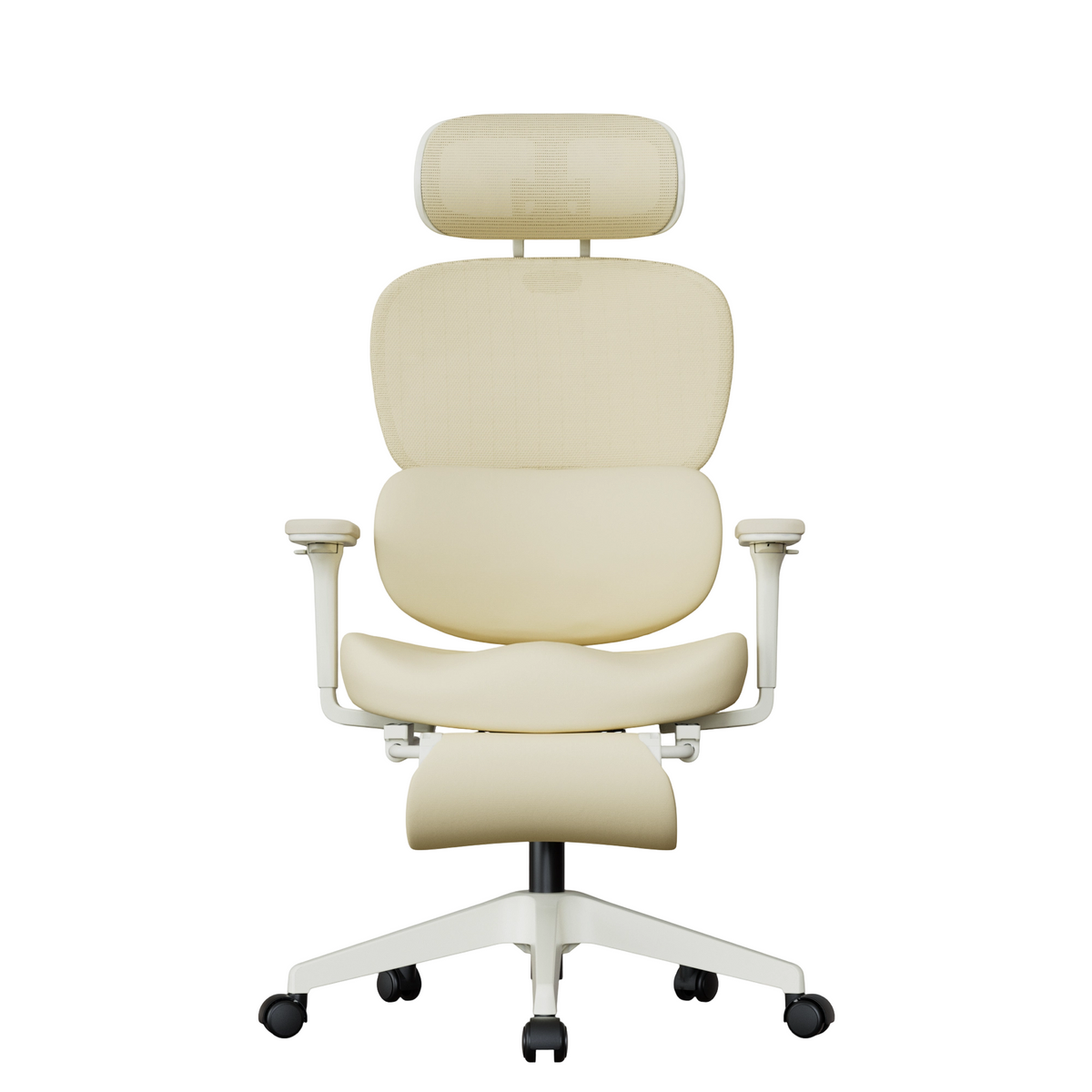
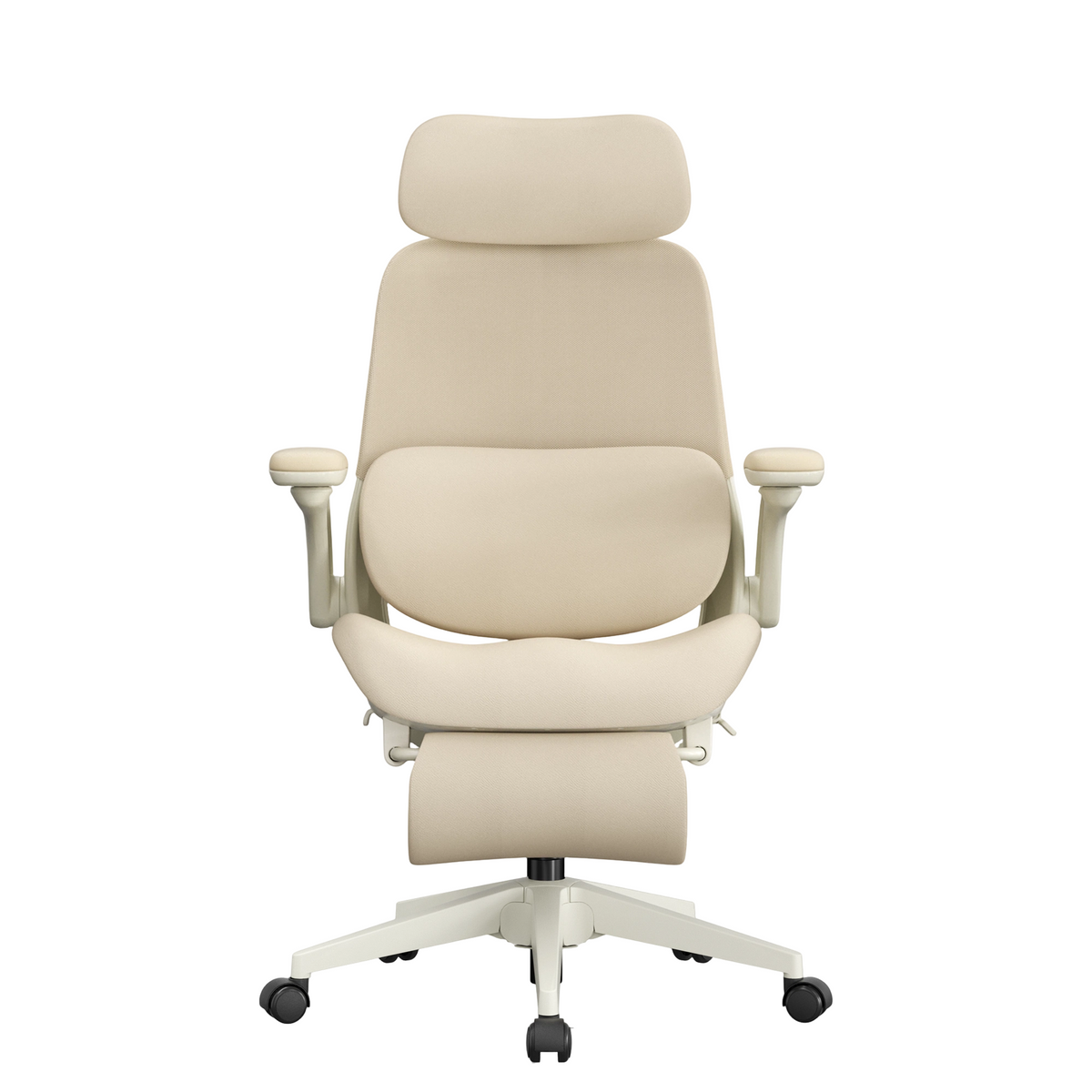
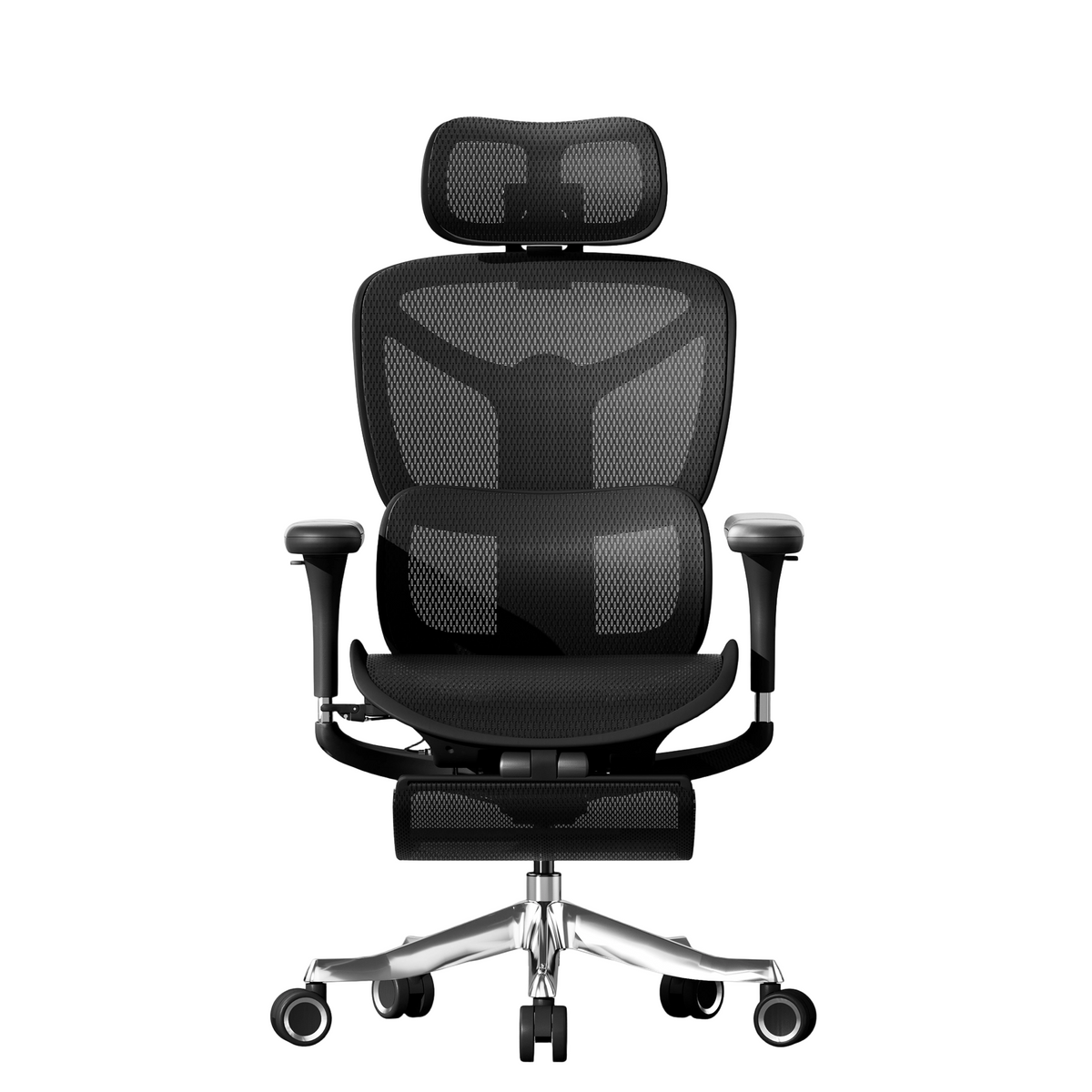
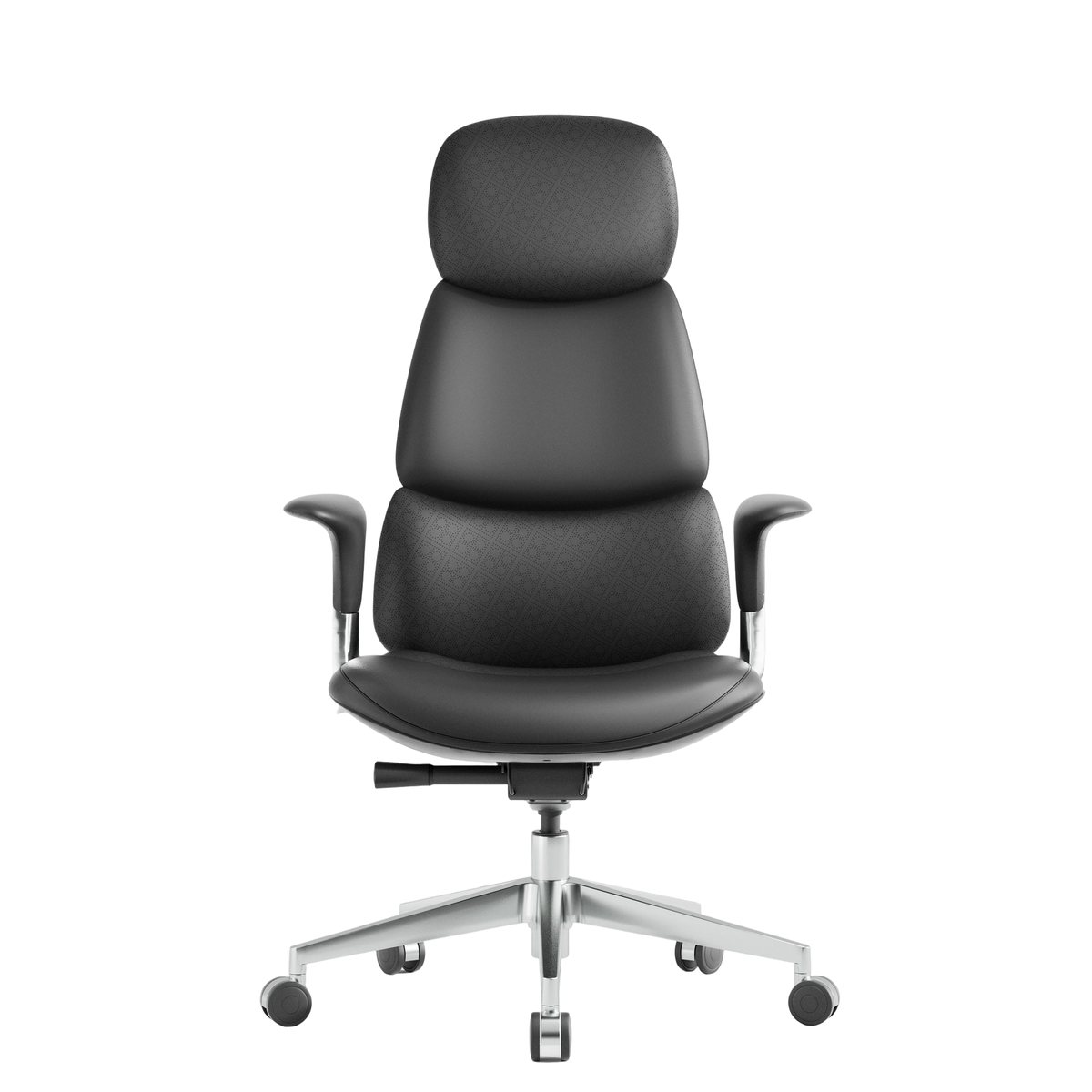
An ergonomic chair is designed to support the body’s natural alignment and encourage movement rather than force the body into a rigid position.
Key ergonomic features include:
-
Dynamic lumbar support
-
Adjustable seat height and depth
-
Reclining backrest with support
-
Adjustable armrests and headrest
These features help reduce the negative effects of prolonged sitting, especially when combined with good habits.
The Role of Movement: Ergonomics + Habits
Even the best ergonomic office chair cannot fully protect you if you never move. The key is combining ergonomic support with healthy sitting habits.
Healthy Sitting Tips
-
Change posture every 30–45 minutes
-
Stand or walk briefly every hour
-
Stretch hips, chest, and shoulders
-
Keep feet flat on the floor
-
Adjust your chair to fit your body
A supportive ergonomic chair provides the foundation—but movement completes the system.
Signs You’ve Been Sitting Too Long
You may need to change your sitting habits if you experience:
-
Lower back stiffness
-
Neck or shoulder tightness
-
Numbness in legs or feet
-
Reduced flexibility
-
Persistent fatigue after work
These are common warning signs that your body needs better support and more movement.
How to Set Up a Healthier Sitting Environment
Choose the Right Office Chair
A high-quality ergonomic chair should:
-
Support your lower back
-
Allow multiple sitting positions
-
Fit your body size and desk height
Optimize Your Desk Setup
-
Monitor at eye level
-
Keyboard at elbow height
-
Screen at arm’s length
Good ergonomics reduces strain before discomfort starts.
Welax Ergonomic Chair Recommendation
Welax offers ergonomic office chairs designed to support dynamic sitting, adjustable posture, and long-term comfort. Features like adaptive lumbar support and adjustable components help reduce the strain caused by prolonged sitting—especially for desk workers.
Final Thoughts: Sitting Isn’t the Enemy—Staying Still Is
Sitting in the same position for too long can affect your spine, muscles, circulation, posture, and energy levels. Over time, these effects add up—but they are largely preventable.
The solution isn’t standing all day or buying a chair alone. It’s a balanced system:
-
A supportive ergonomic chair
-
An adjustable office chair setup
-
Regular movement and posture changes
When ergonomic support and healthy habits work together, sitting becomes safer, more comfortable, and far less damaging.


Leave a comment
This site is protected by hCaptcha and the hCaptcha Privacy Policy and Terms of Service apply.