

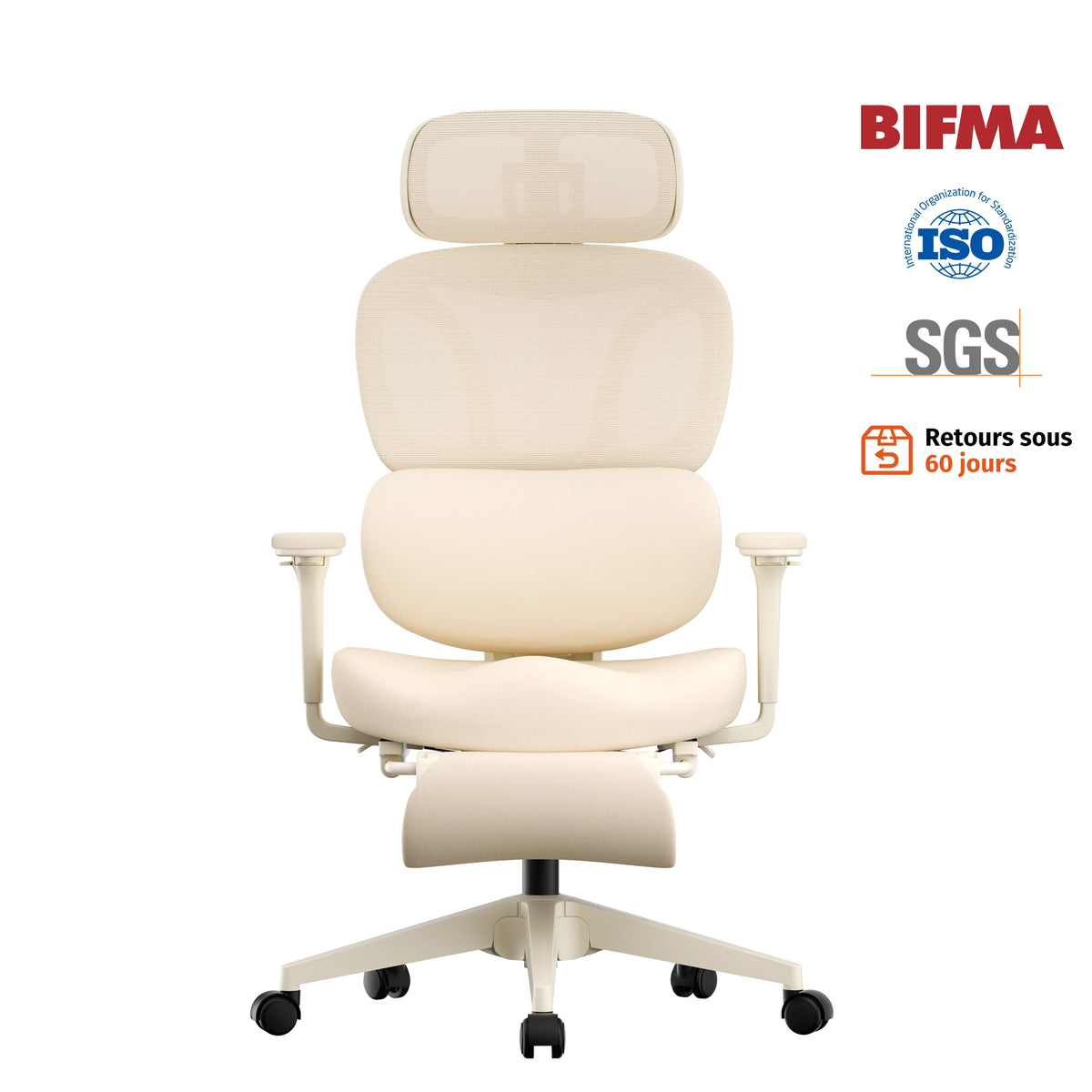
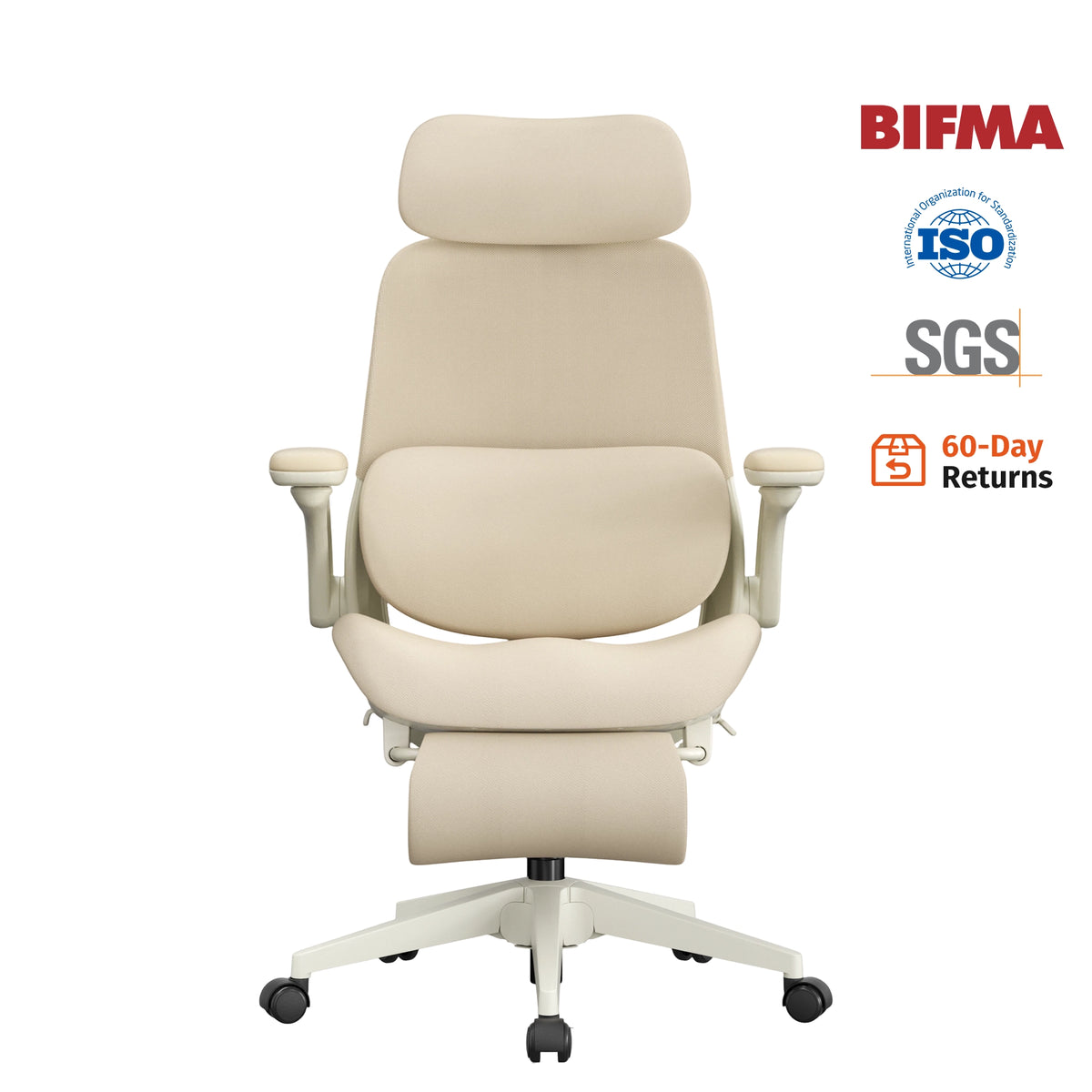
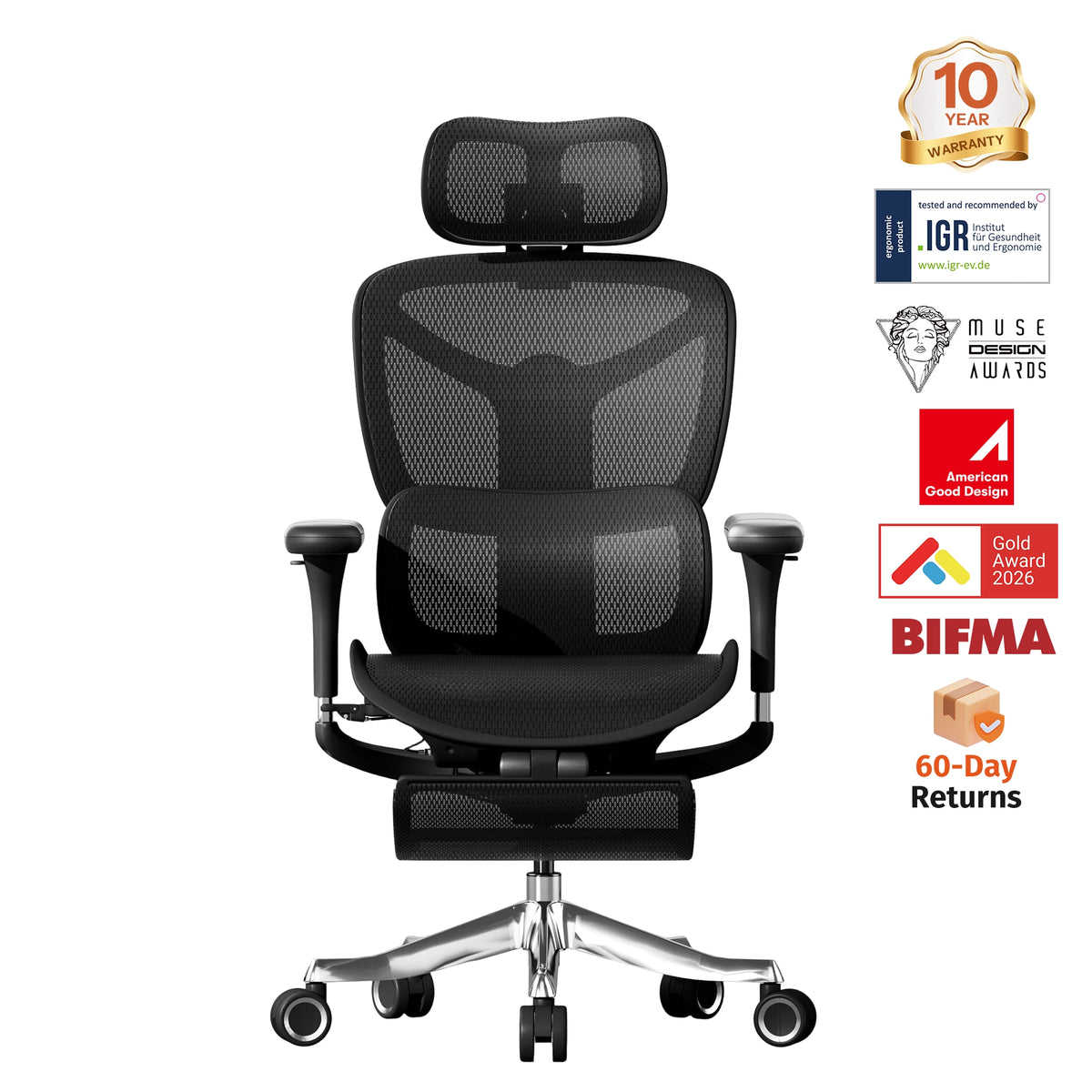


Lower back pain from sitting too long? How do you choose the right mesh, foam, and gas lift for an ergonomic chair?
Many people fall into a common misconception when selecting an ergonomic chair: believing that a high price tag and a multitude of features automatically equate to a quality office chair. In reality, this view is flawed. A truly suitable ergonomic chair for long-term use must be evaluated based on several key factors—specifically its core structure and materials—with particular attention paid to the backrest mesh, seat cushion foam, and the gas lift system.

The mesh primarily determines the backrest's breathability and how well it conforms to the body; the seat cushion foam dictates the level of support provided to the hips and legs; and the gas lift mechanism is crucial for the chair's stability, safety, and long-term durability.
Why are the materials and structure of an ergonomic chair so important?
The primary difference between a standard office chair and an ergonomic chair lies in functional design rather than mere aesthetics. When standing naturally, the spine, lumbar region, pelvis, and legs maintain a state of relative balance, distributing physical stress evenly across the body. However, prolonged sitting significantly alters this pressure distribution; during office work, for instance, people often unconsciously lean forward, slouch, or leave their lower backs unsupported.

If a chair fails to provide adequate support, the body must rely on its own muscles to maintain stability. Over time, this leads to fatigue and, eventually, muscle strain and health issues.
Therefore, an excellent ergonomic office chair must address three core requirements:
First, it must provide proper bodily support. The backrest, lumbar support, and seat cushion should conform to the body's natural curves rather than simply prioritizing softness.
Second, it must minimize localized pressure concentration. For example, the seat cushion needs to distribute the weight of the buttocks and thighs to prevent prolonged pressure on any single area.
Third, it must ensure stability during long-term use. Components such as the base, gas lift, and adjustment mechanisms must be durable enough to withstand frequent daily use.
This is why, when purchasing an ergonomic office chair, one should look beyond the softness of the cushion and instead focus on whether the chair's overall structure meets the demands of long-term office work.
How do you choose the mesh for an ergonomic chair? Which is more important: breathability or support?
Most high-end ergonomic chairs today use mesh for the backrest; compared to traditional leather or fabric backrests, the primary advantage of mesh is its breathability. The mesh structure features built-in airflow channels that promote air circulation, keeping the back cool and dry. Additionally, the mesh is elastic enough to deform slightly in response to pressure, allowing the backrest to better conform to the natural curves of the human body.
When purchasing an ergonomic chair, the key factors to consider are the mesh's support and comfort. If the mesh is too stiff, the back may feel supported, but leaning against it for extended periods can create noticeable pressure points. Conversely, if the mesh is too soft, the body may sink in too deeply, failing to provide adequate support for the back. Therefore, high-quality ergonomic chair mesh should offer:
- Sufficient elasticity to allow the back to fit naturally against the chair;
- Stable support to prevent the body from sinking excessively;
- Good breathability, making it suitable for prolonged use.
How to Choose a Foam Seat Cushion for an Ergonomic Chair?
The seat cushion is another key factor influencing the seating experience. If the cushion is too soft, the buttocks will sink noticeably, and the thighs will lack adequate support, forcing the user to constantly adjust their posture to find a comfortable position. For those who spend long hours sitting at a desk, the most important quality of a cushion is its ability to provide stable support, rather than allowing the body to sink in completely like a sofa.
When selecting a cushion for prolonged sitting, the following factors should be considered:
- Foam density. High-density foam maintains its shape better and is less prone to rapid sagging after extended use.
- Cushion shape. Since human buttocks and thighs do not have flat surfaces, a cushion designed to contour to the body's curves distributes pressure more effectively.
- Seat depth. Even with high-quality cushion material, a poor seating experience is inevitable if the seat depth does not match the user's leg length.
Is the gas lift important for an ergonomic chair? How do you assess its quality?
The gas lift is primarily responsible for adjusting the chair's height and must also support the downward pressure exerted when a user sits down. Consequently, the quality of the gas lift affects not only the ease of daily adjustment but also the chair's overall stability and safety.

When selecting an ergonomic chair, pay close attention to the following factors:
- Check the weight capacity. Users vary significantly in body size; heavier users, in particular, should prioritize the chair's overall load-bearing capacity.
- Look for the gas lift class and safety certifications. Reputable ergonomic chairs typically clearly specify the gas lift's grade and relevant test data.
- Consider the compatibility of the overall structure. The gas lift does not operate in isolation; it must function in tandem with the base, the chair legs, and the overall frame.
Choosing an ergonomic chair is not merely about selecting materials; it is about finding the right type of support for your needs.
Mesh, foam, and gas lifts are all crucial components of ergonomic office chairs: mesh determines breathability and the comfort of back support; the seat cushion dictates support and the ability to distribute pressure on the hips; and the gas lift determines the chair's stability and long-term reliability.
A truly suitable ergonomic chair for those who sit for long periods at work must effectively integrate these elements while allowing for adjustments based on the user's specific physical characteristics.


Leave a comment
This site is protected by hCaptcha and the hCaptcha Privacy Policy and Terms of Service apply.