






What Are the Dangers of Poor Posture? 4 Common Health Issues and How to Improve with Proper Sitting Posture
Seemingly ordinary daily habits—such as looking down at your phone for long periods, hunching over your computer, or slouching on the sofa while watching TV—can put your body into suboptimal postures over time. Especially for those who spend several hours sitting at a desk every day, poor posture gradually increases strain and discomfort in the neck, shoulders, back, and lower back.

What is poor posture? What is the difference between static and dynamic posture?
Posture primarily refers to the position of your body when you are either still or moving. Based on whether the body is active, it can be broadly divided into static posture and dynamic posture.
Static posture includes states such as sitting for long periods, standing, and sleeping. If you maintain the exact same position for a long time—especially when the body leans noticeably forward, hunches, or slouches—it can increase the strain on localized muscles and joints.
Dynamic posture shows up during activities such as walking, bending over, and lifting objects. For example, when lifting a heavy item off the floor, bending directly at the waist without engaging your leg strength can increase the strain on your lower back.
Correct body posture does not mean forcing your body to stay frozen in one rigid position all day. Instead, it means trying your best to avoid staying in uncomfortable positions for extended periods, as well as making appropriate movements or shifting your body's position and state based on the situation.
4 Common Risks of Poor Posture
1. Neck, Shoulder, and Back Discomfort
People today often spend long periods staring at phones or screens, keeping the neck, shoulders, and upper back under continuous tension. This issue becomes even more pronounced if the height of your desk and chair or the position of your monitor is unsuited for you.
Therefore, beyond staying mindful of your posture, you should also adjust the positioning of your monitor, keyboard, and office chair to allow your head and upper body to remain in a more natural position.
2. Prone to lower back fatigue
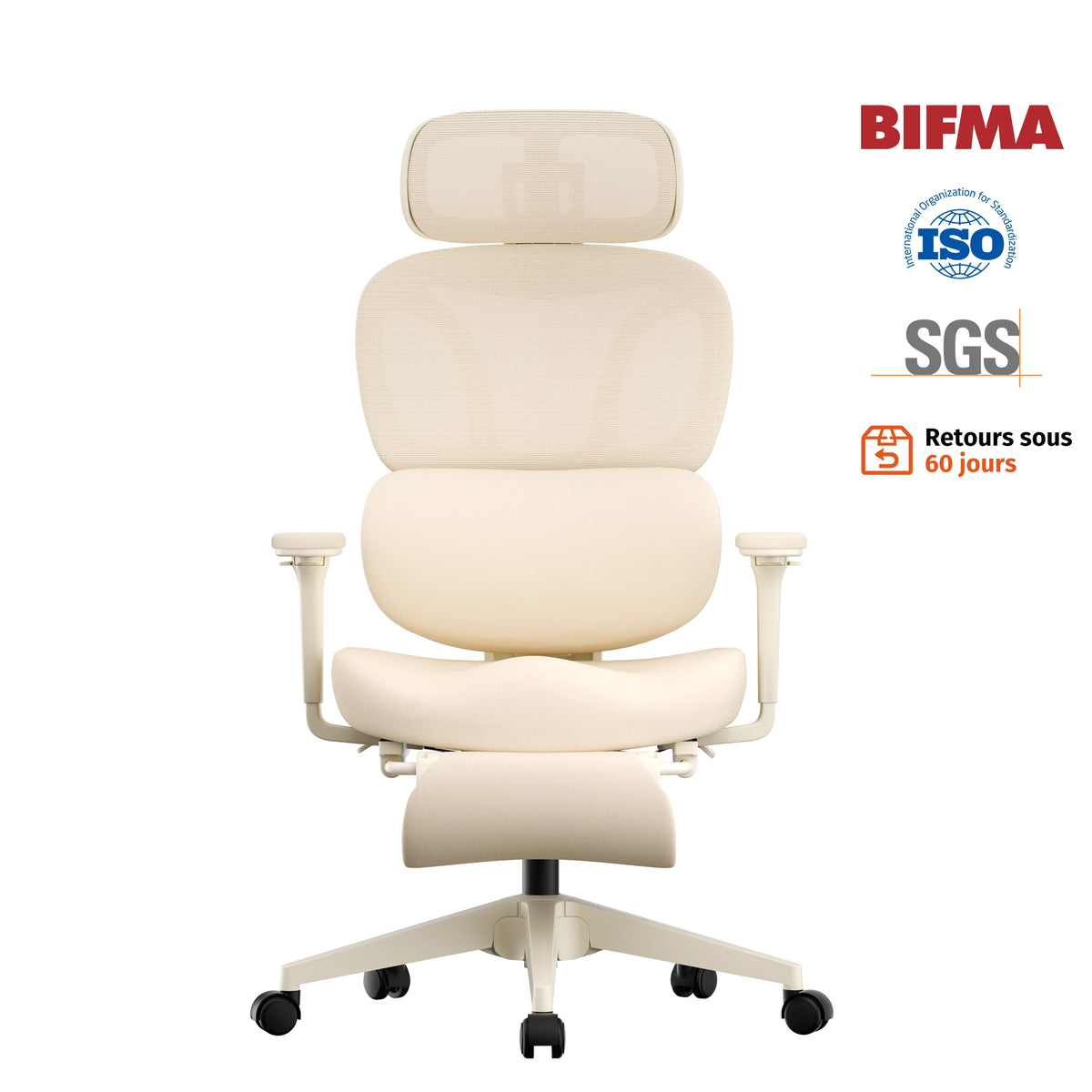
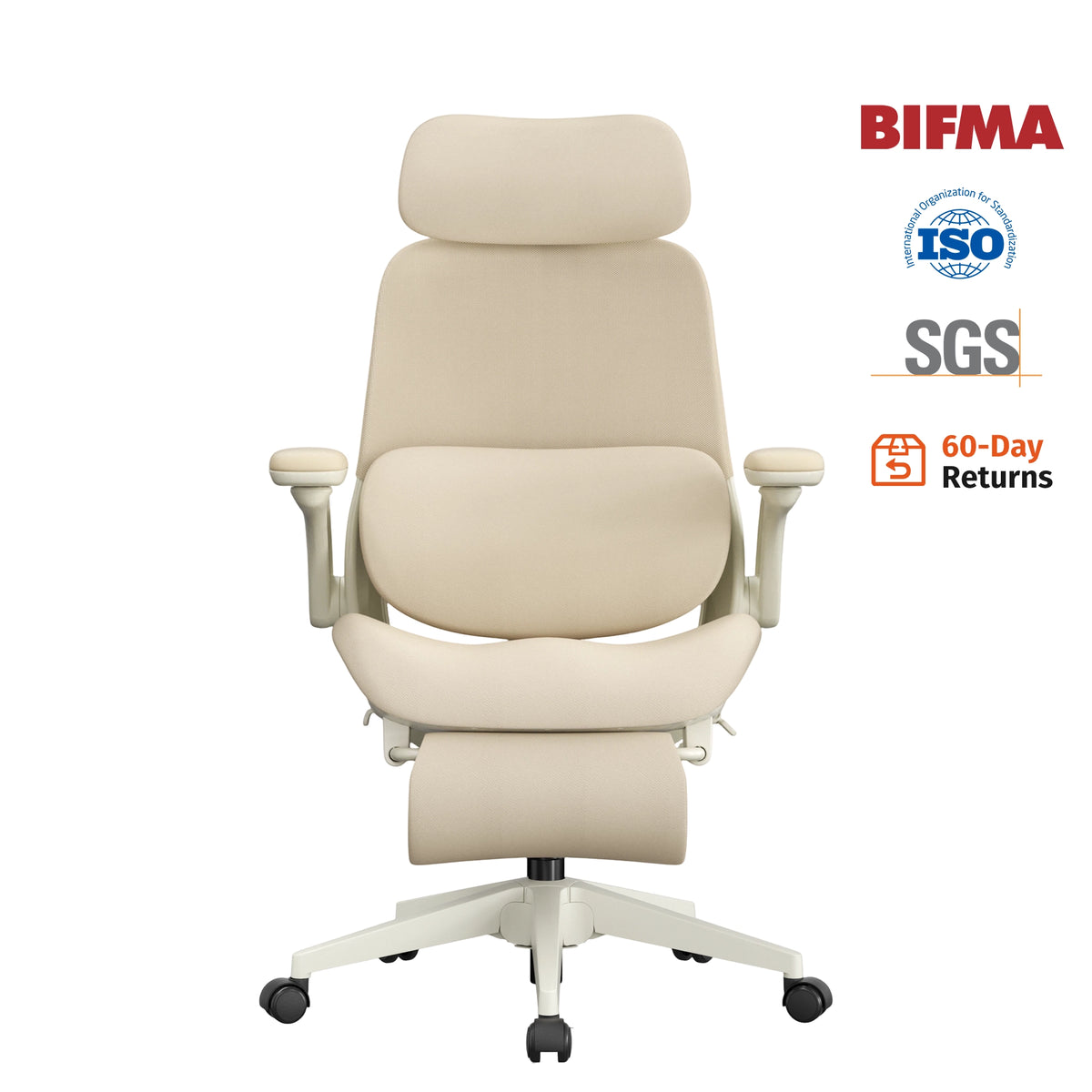
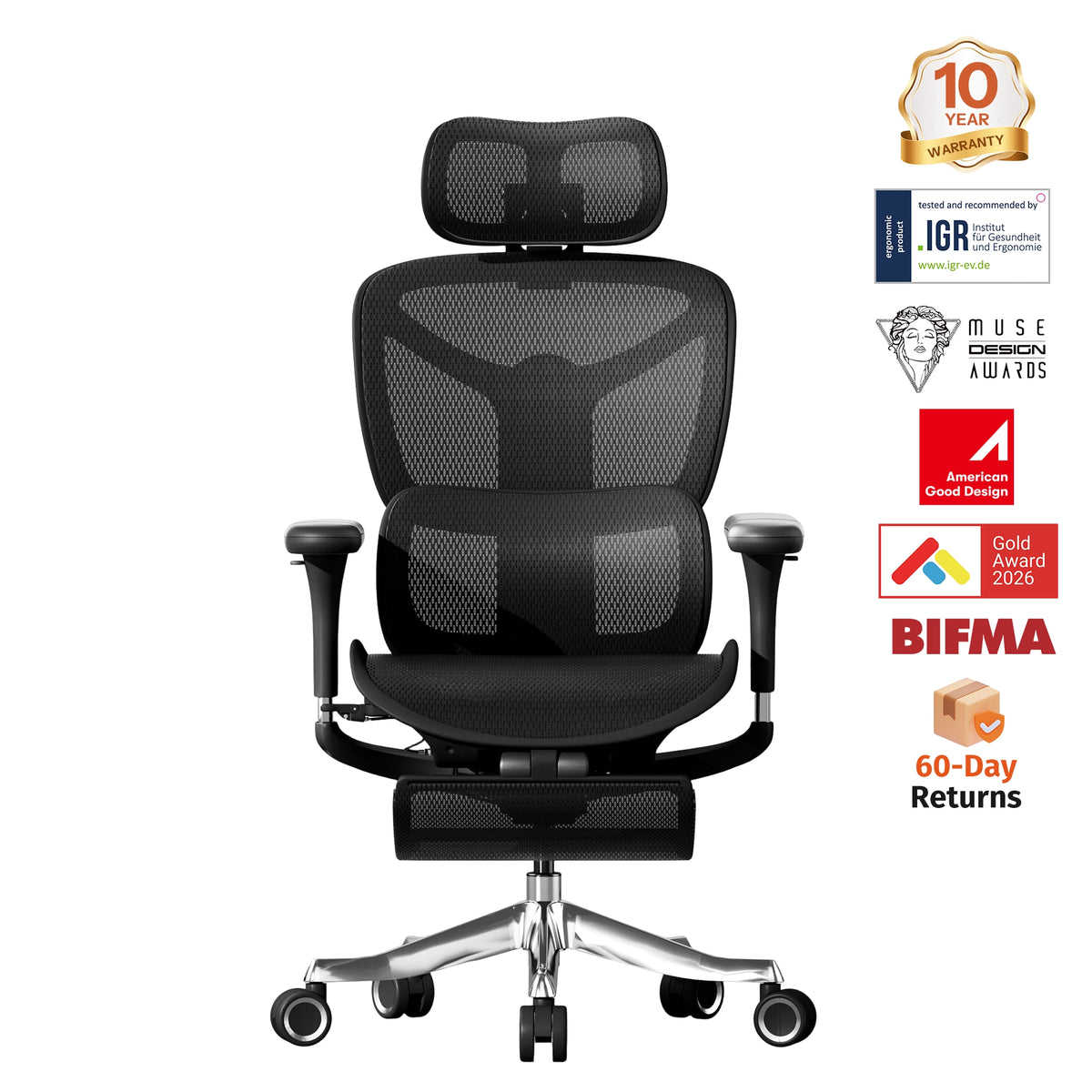
When sitting for long periods, if your body remains in a forward-leaning or slouched position over extended time frame, your lower back absorbs significantly more stress. To mitigate this issue, an increasing number of people are turning to ergonomic chairs. The purpose of an ergonomic chair is to provide more stable support while sitting at work through a well-fitted backrest, lumbar support, and seat structure.
However, even when using an ergonomic office chair, you should avoid staying in the exact same position for prolonged periods. Standing up to move around periodically throughout the workday remains equally important.

3.Breathing Comfort May Be Affected
Hunching over and rounding your back over extended periods restricts chest expansion space, making breathing feel less open for some people. Especially during long hours of seated work, remaining slouched forward makes it easier to build up tension in the chest and shoulder areas.
Therefore, maintaining a relatively natural sitting posture, relaxing your shoulders, and properly adjusting the height of your desk and chair can help reduce the discomfort brought on by long periods of slouching.
4.Digestive Comfort May Be Affected
Sitting hunched over or slouched for long periods after eating puts pressure on the abdomen. For individuals prone to stomach discomfort or acid reflux symptoms, this posture can be particularly far from ideal.
Therefore, staying in a noticeably bent or slouched sitting position for extended periods right after meals is not recommended. It is worth noting, however, that digestive issues have many underlying causes, and a specific sitting posture should not be viewed as the sole factor.
What is proper sitting posture, and what should office workers pay attention to?
For office workers, a correct sitting posture should be built on comfort, stability, and natural movement, rather than forcing the body to maintain a rigid "standard posture" at all times.
After sitting down, you can check your posture against the following aspects:
- Keep your feet as flat and stable on the floor as possible;
- Sit fully back in the seat so your hips receive stable support;
- Maintain a comfortable bend in your knees;
- Keep your shoulders naturally relaxed, avoiding prolonged shrugging;
- Ensure your elbows receive proper support;
- Position your monitor at a suitable height to prevent looking down for extended periods;
- Ensure your lower back gets moderate support;
- Periodically change your sitting posture and move your body throughout the workday.
If the height of an office chair is unsuitable, it remains difficult to maintain a comfortable state over time—even with good sitting habits. Therefore, choosing an ergonomic chair equipped with seat height adjustment and lumbar support allows your workspace to adapt much more easily to your specific body frame.
How Can You Improve Poor Body Posture?
Improving poor posture isn't just about forcing your body into position—it relies even more on your overall workspace environment:
First, check your office chair height so your feet can rest stably on the ground. Second, adjust the height of your desk and monitor to prevent continuous forward leaning and head drooping caused by an improper setup. Finally, make sure the backrest delivers suitable back and lumbar support.
In addition, an ergonomic chair serves as a key component of your workstation. Rather than simply chasing a soft seat cushion, you should focus on whether features like seat height, seat depth, lumbar support, and armrests fit your body structure. Most importantly, never overlook the value of movement. A healthy sitting posture isn't about remaining completely still; it's about getting proper support while allowing your body to shift positions naturally.
Common Posture FAQs
1.Does poor sitting posture cause lower back pain?
Maintaining an uncomfortable sitting position for long periods can increase the strain on your lower back and is often linked to back discomfort. However, back pain has many causes and cannot be simply attributed to posture alone. Office chairs, desk height, activity levels, and individual physical conditions must all be taken into account.
2.What constitutes proper sitting posture?
There is no single posture that works for everyone. Generally speaking, a sensible sitting posture for work involves having stable support for your feet, proper backing for your hips and back, relaxed shoulders, an appropriately positioned screen, and the freedom to shift positions naturally throughout the workday.
3.Can an ergonomic chair improve poor sitting posture?
An ergonomic chair can provide more tailored body support through adjustable features like seat height, lumbar support, seat depth, and armrests. However, it cannot automatically fix all posture issues on its own—users still need to adjust their desk, monitor setup, and personal work habits.
4.How should you improve your posture when sitting for long periods at work?
First, adjust the height of your office chair and desk so your body rests in a comfortable position; second, avoid prolonged head drooping or slouching; finally, stand up and move around periodically, avoiding staying in the exact same position for hours on end.
5.Which is more important: standing posture or sitting posture?
Both are equally important. When standing, you should avoid prolonged swaying of your lower back, shrugging your shoulders, or leaning heavily to one side; when sitting for work, the focus should be on chair height, lumbar support, and the placement of your desk setup. What truly needs improvement is your overall everyday posture, rather than focusing solely on one specific position.


Leave a comment
This site is protected by hCaptcha and the hCaptcha Privacy Policy and Terms of Service apply.