



Are Office Chair Gas Cylinders Safe? How to Evaluate Ergonomic Chair Quality (Complete Guide 2026)
When shopping for an ergonomic office chair, one question comes up frequently: Are gas cylinders safe?

You may have seen alarming stories online about chair explosions or failures. While these incidents are rare, they raise an important point—not all office chairs are built the same.
In this guide, we’ll break down:
- How office chair gas cylinders work
- Whether they’re actually safe
- How to identify a high-quality ergonomic chair
- What to look for before buying
If you’re investing in a chair for long hours of work or gaming, this is something you shouldn’t overlook.
What Is a Gas Cylinder in an Office Chair?
The gas cylinder (also called a gas lift or pneumatic cylinder) is the component that allows you to adjust the height of your chair smoothly.
It works using compressed gas—typically nitrogen—sealed inside a metal chamber. When you pull the lever, pressure changes inside the cylinder, raising or lowering the seat.
Key functions:
- Smooth height adjustment
- Shock absorption when sitting down
- Stability and weight support
A high-quality gas lift is essential for both comfort and safety.
Are Office Chair Gas Cylinders Safe?
Short answer: Yes—if they meet safety standards.
Most modern ergonomic chairs are designed with strict safety certifications, and failures are extremely rare when proper components are used.
What causes safety concerns?
Incidents usually happen due to:
- Low-quality or uncertified gas cylinders
- Poor manufacturing standards
- Overloading beyond weight limits
- Lack of protective casing
What makes a gas cylinder safe?
Look for these features:
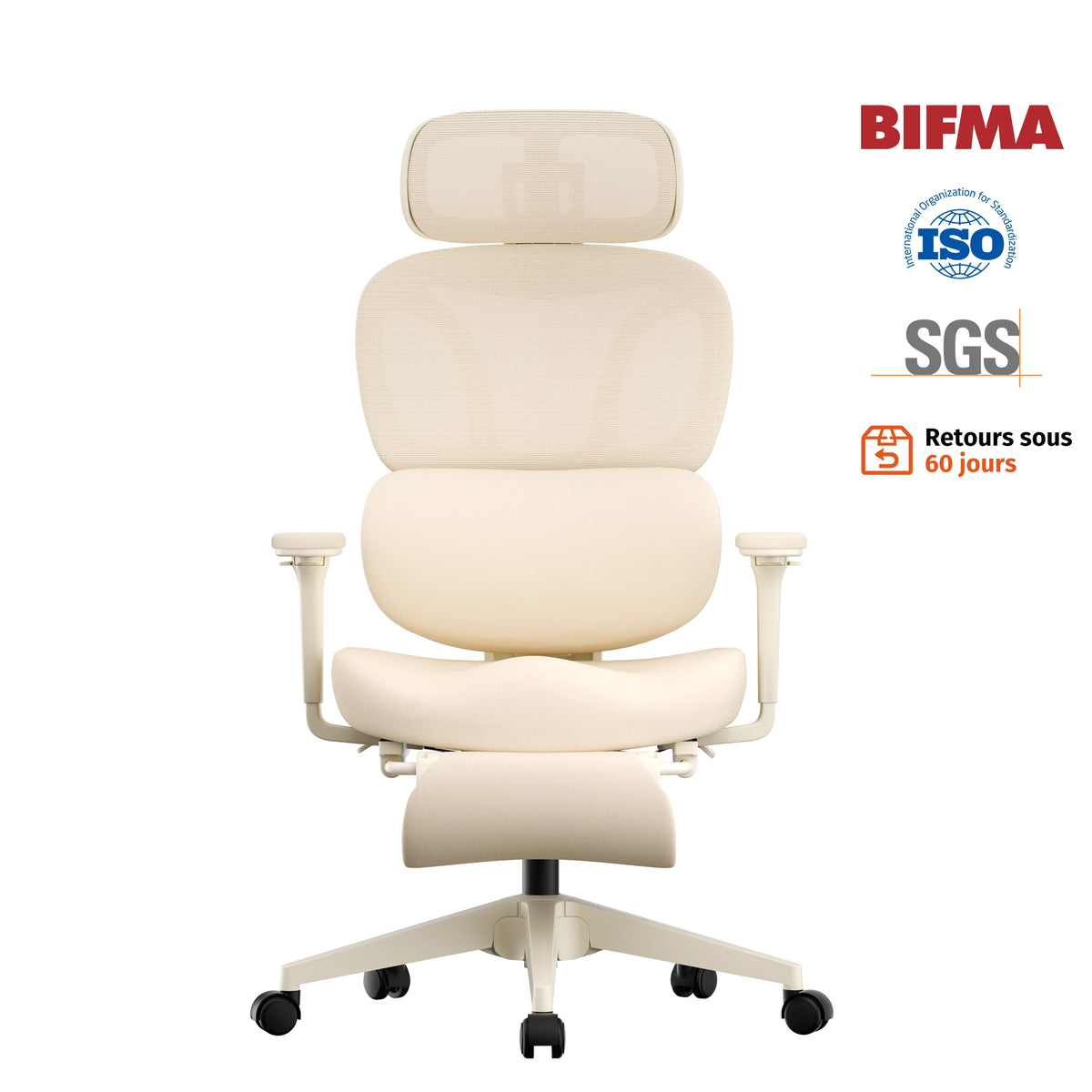
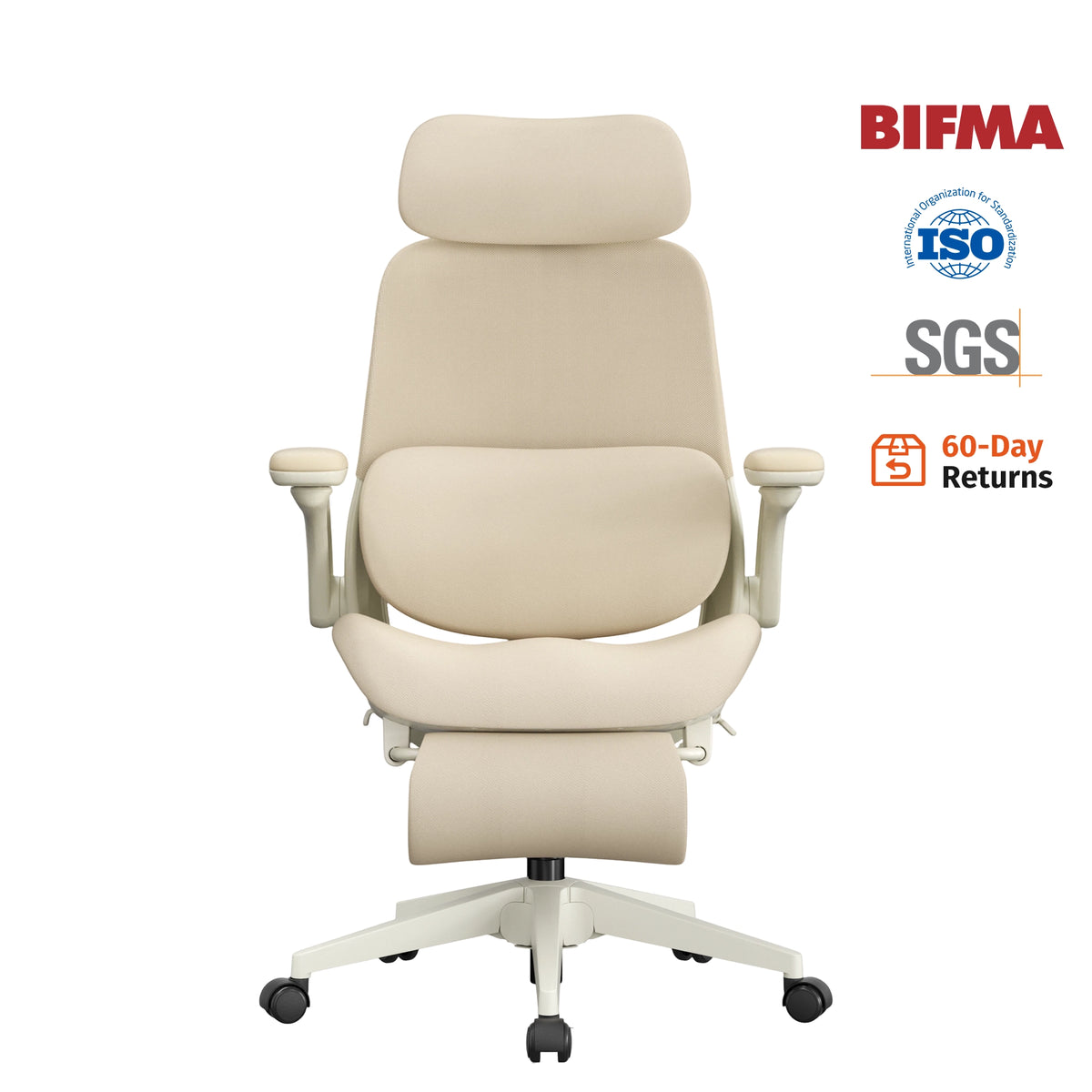
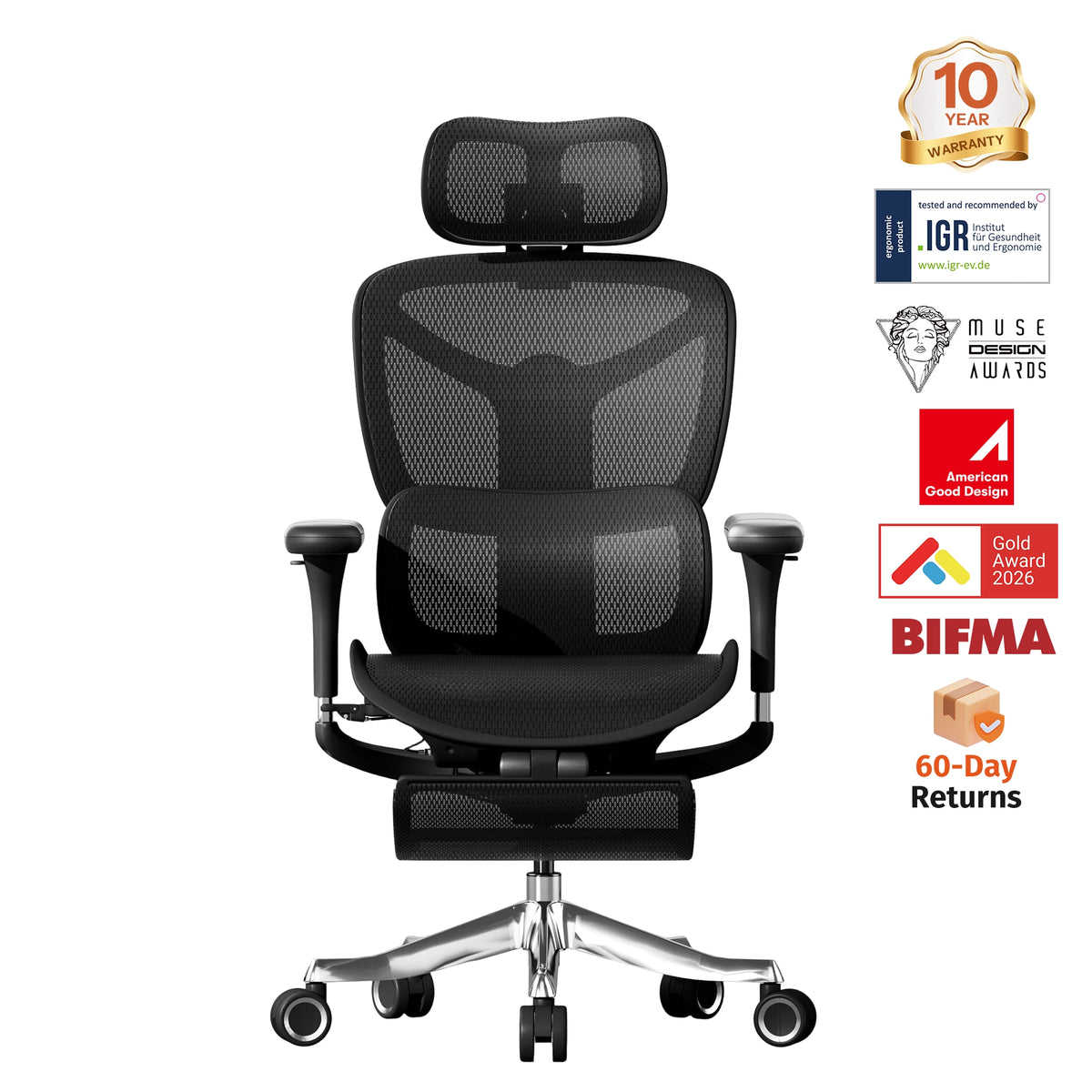
1. Certification (BIFMA / SGS)
A safe office chair gas lift should meet recognized standards like:
- BIFMA (Business and Institutional Furniture Manufacturers Association)
- SGS testing certification
These ensure:
- Pressure resistance
- Durability under repeated use
- Load-bearing capacity
2. Class Rating (Class 3 / Class 4 Gas Lift)
Gas cylinders are categorized by strength:
- Class 3: Standard use (up to ~300 lbs)
- Class 4: Heavy-duty, higher durability and safety
👉 For most users, Class 4 gas cylinders offer the best combination of safety and longevity.
3. Steel Construction
High-quality cylinders use thick, seamless steel, reducing the risk of rupture or leakage.
How to Tell If an Ergonomic Chair Is High Quality
A safe gas cylinder is just one part of the equation. A truly good ergonomic chair combines multiple high-quality components.
Here’s how to evaluate overall chair quality:
1. Frame and Base Stability
The base supports your entire body weight.
Look for:
- Aluminum or reinforced steel base
- Wide, stable five-point design
- Weight capacity clearly stated
Avoid:
- Thin plastic bases for heavy daily use
- No listed weight limit
2. Seat Cushion Quality
The seat determines long-term comfort and durability.
High-quality features:
- High-density foam (won’t flatten quickly)
- Breathable mesh or premium fabric
- Even weight distribution
Warning signs:
- Cushion sinks too easily
- Feels uneven or lumpy
3. Ergonomic Support (Lumbar & Backrest)
An ergonomic chair should support your natural spine curve.
Look for:
- Adjustable lumbar support
- Dynamic backrest tilt
- Full back support (not just mid-back)
4. Adjustability Options
More adjustability = better fit for different users.
Essential adjustments:
- Seat height (gas cylinder)
- Armrest height and angle
- Recline tension and lock
Premium adjustments:
- Seat depth
- Headrest tilt and height
- 3D/4D armrests
5. Casters and Mobility
Smooth rolling matters more than you think.
Look for:
- PU (polyurethane) casters for floor protection
- Quiet rolling wheels
- 360° rotation
6. Build Quality & Materials
A good chair should feel solid—not flimsy.
Signs of quality:
- Tight stitching
- No wobbling
- Smooth adjustment mechanisms
Common Myths About Gas Cylinder Safety
Myth 1: Office chairs can easily explode
This is extremely rare and usually involves defective, uncertified parts.
Myth 2: All gas cylinders are the same
Not true. Quality varies significantly depending on:
- Manufacturing standards
- Materials
- Certification
Myth 3: Heavier chairs are always safer
Weight doesn’t equal safety—engineering and materials matter more.
How to Choose a Safe Ergonomic Chair
When shopping online (especially in the U.S. market), use this checklist:
✅ Safety Checklist
- BIFMA-certified components
- Class 3 or Class 4 gas cylinder
- Clearly stated weight capacity
- Strong metal base
✅ Comfort Checklist
- Adjustable lumbar support
- Breathable materials
- Multi-angle recline
✅ Durability Checklist
- Warranty (at least 1–3 years)
- Positive user reviews
- Established brand reputation
Why Investing in a Quality Chair Matters
A cheap chair may save money upfront—but can cost more in the long run.
Risks of low-quality chairs:
- Poor posture → back pain
- Faster wear and tear
- Safety concerns
Benefits of a high-quality ergonomic chair:
- Better posture and spinal alignment
- Increased productivity
- Long-term durability
- Peace of mind
Final Thoughts: Safety Starts with Quality
So, are ergonomic chair gas cylinders safe?
👉 Yes—as long as you choose a chair built with certified, high-quality components.
Instead of worrying about rare incidents, focus on what really matters:
- Verified safety standards
- Durable materials
- Thoughtful ergonomic design
A well-made ergonomic chair isn’t just about comfort—it’s about supporting your health and safety every day.
Looking for a Reliable Ergonomic Chair?
At Welax, we focus on combining:
- Certified gas lift systems
- Class 4 gas cylinders (heavy-duty and safer)
- Durable construction
- Modern ergonomic design
Whether you’re working from home or upgrading your office setup, choosing the right chair makes all the difference.


Leave a comment
This site is protected by hCaptcha and the hCaptcha Privacy Policy and Terms of Service apply.