



Gaming Chair vs Office Chair: Why Your Needs Are Different for Work and Long Gaming Sessions
If you spend hours sitting every day, your chair isn’t just furniture—it’s part of your performance, comfort, and long-term health.

But here’s something many people overlook: the best chair for gaming is not always the best chair for office work.
While both gamers and office workers sit for extended periods, their needs are surprisingly different. Choosing the wrong type of chair can lead to discomfort, fatigue, and even long-term strain.
In this guide, we’ll break down the key differences between gaming chair vs office chair, and help you understand which features actually matter for your lifestyle.
Why Sitting Needs Differ: Gaming vs Office Work
At first glance, gaming and office work might seem similar—you’re sitting, looking at a screen, and using your hands.
But the way you sit is completely different.
Office Work Sitting Style
- More upright and structured posture
- Frequent small movements (typing, reaching, adjusting)
- Focus on productivity over long hours
- Less dramatic body movement
Gaming Sitting Style
- More dynamic posture (leaning forward, reclining, shifting)
- Longer uninterrupted sessions
- Higher engagement and tension
- More upper body movement (mouse, controller)
Because of this, the ergonomic chair features you need will vary significantly.
Key Difference #1: Posture Support vs Freedom of Movement
Office Chairs: Built for Structured Support
A good ergonomic office chair is designed to keep your body aligned.
Key features include:
- Adjustable lumbar support
- Upright backrest design
- Seat depth adjustment
- Breathable materials
The goal is to encourage a neutral posture that reduces strain over long workdays.
Gaming Chairs: Built for Flexibility
A typical gaming chair focuses more on adaptability and movement.
Common features include:
- Reclining backrest (often up to 130°)
- Headrest and lumbar pillows
- Wider seat design
- Bucket-style structure
These features allow you to shift positions easily during long gaming sessions, whether you’re leaning forward during intense gameplay or reclining to relax.

Key Difference #2: Long-Term Comfort vs Short-Term Intensity
Office Work = Consistent Daily Use
Office users often sit:
- 6–10 hours per day
- 5 days a week (or more)
- In relatively consistent posture
This means you need:
- Pressure distribution
- Breathability
- Fatigue reduction
A high-quality office chair for long hours focuses on reducing cumulative strain and supporting your body throughout the day.

Gaming = Extended but Variable Sessions
Gamers may:
- Sit for long sessions (3–8+ hours)
- Shift positions frequently
- Lean forward during intense moments
So the focus is on:
- Cushioning
- Flexibility
- Immediate comfort
Key Difference #3: Materials Matter More Than You Think
Office Chairs: Breathability First
For long workdays, materials play a key role.
Popular options include:
- Mesh backrests for airflow
- High-density foam for support
- Fabric for comfort
These materials help prevent heat buildup and keep you comfortable during extended use.
Gaming Chairs: Cushioning & Style
Gaming chairs often feature:
- PU leather or synthetic leather
- Thick foam padding
- Bold, eye-catching designs
While they offer a premium look and feel, they may retain more heat during long sessions.
Key Difference #4: Adjustability & Ergonomics
What Office Chairs Get Right
A high-end ergonomic office chair typically includes:
- Adjustable lumbar support (dynamic or built-in)
- Adjustable armrests (2D/3D/4D)
- Tilt tension control
- Seat height and depth adjustment
These features are designed for a precision ergonomic fit, helping support proper posture during long hours of focused work.
What Gaming Chairs Focus On
Gaming chairs tend to prioritize flexibility and ease of use.
They often emphasize:
- Reclining function
- Headrest positioning
- Aesthetic design
- Simpler adjustment mechanisms
- Advanced armrests (such as 6D armrests for multi-angle support)
Features like 6D armrests are especially useful for different gaming scenarios—whether you're using a keyboard and mouse or a console controller like PlayStation. They allow for more freedom in arm positioning, helping reduce strain during extended gaming sessions.
While gaming chairs can be very comfortable, they often don’t offer the same level of fine-tuned ergonomic adjustment needed for all-day office work.

Key Difference #5: Aesthetics vs Function
Gaming Chairs
- Bold colors and racing-style design
- Visually striking setups
- Popular in gaming rooms and streaming environments
Office Chairs
- Clean, minimalist appearance
- Neutral color palettes
- Designed to fit professional spaces
Your environment often plays a role in which style feels more appropriate.
Which One Is Better for You?
The answer depends on how you actually use your chair.
Choose an Office Chair If You:
- Work 6–10 hours a day at a desk
- Need proper ergonomic support
- Prioritize posture and long-term comfort
- Prefer breathable materials
Look for:
best ergonomic office chair, office chair for long hours, lumbar support office chair
Choose a Gaming Chair If You:
- Spend long sessions gaming
- Prefer reclining and relaxed positions
- Want a more immersive setup
- Value cushioning and flexibility
Look for:
best gaming chair for long sessions, reclining gaming chair, comfortable gaming chair
Can One Chair Do Both?
Many people today both work and game at the same desk. So naturally, the question comes up:
Do you need two chairs?
Not necessarily.
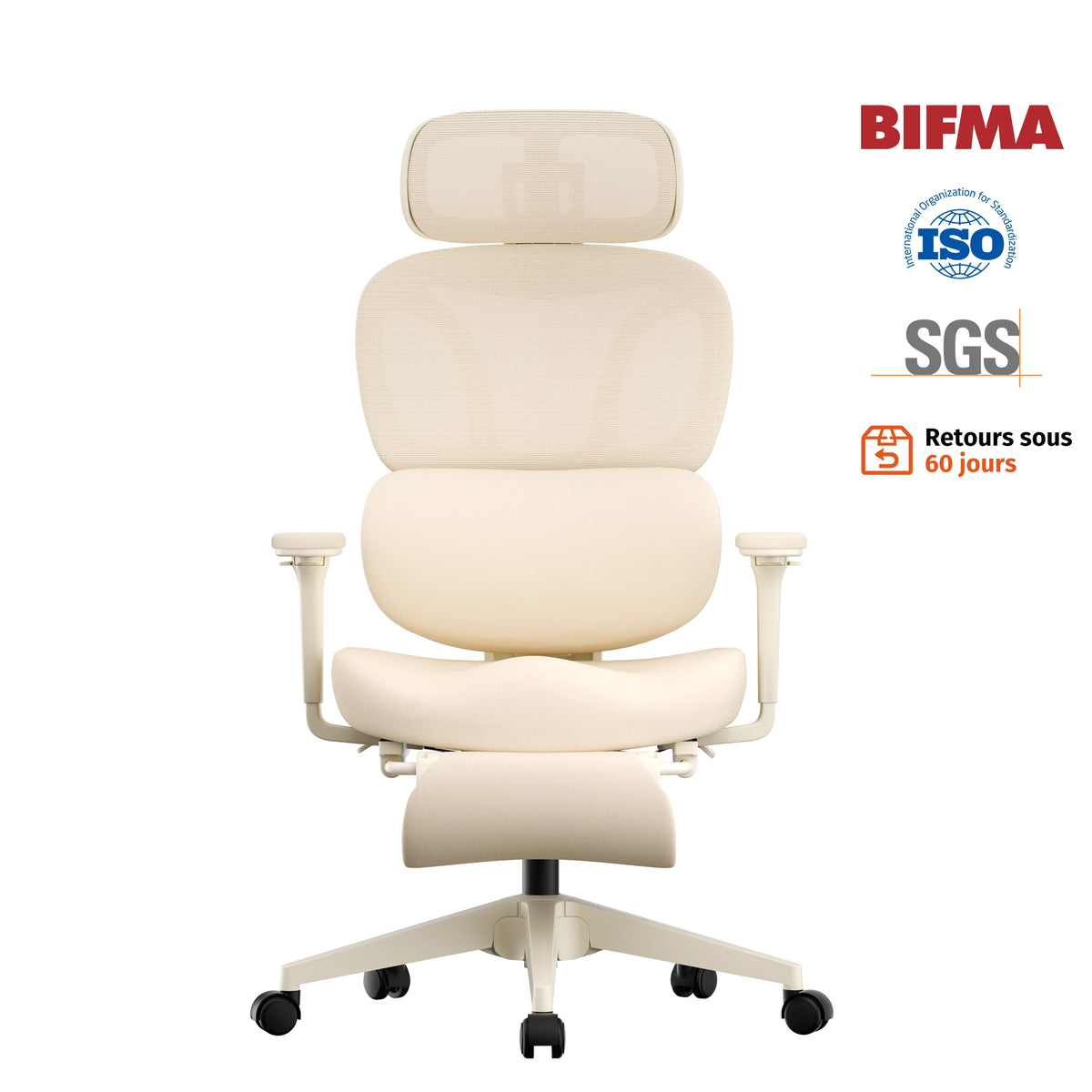
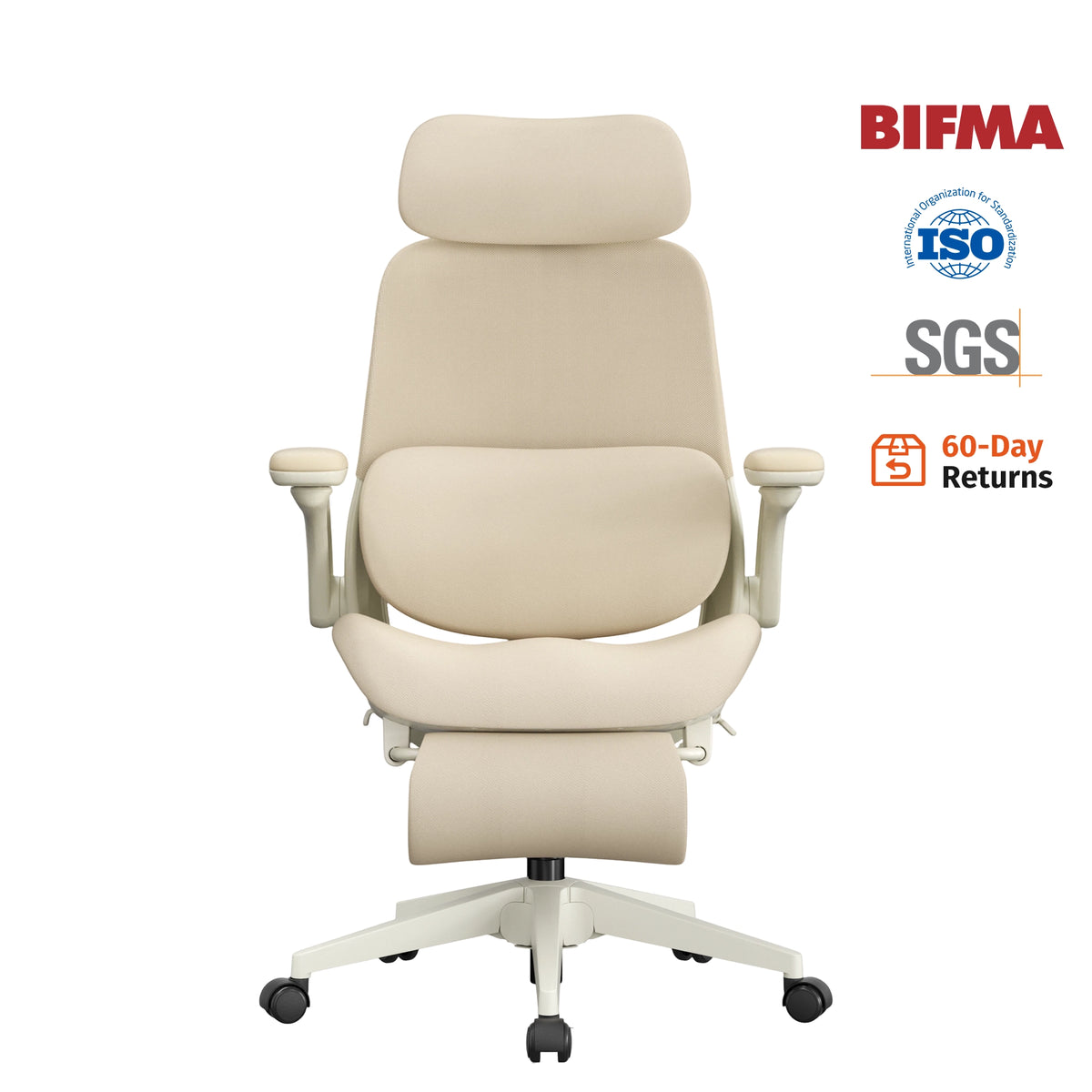
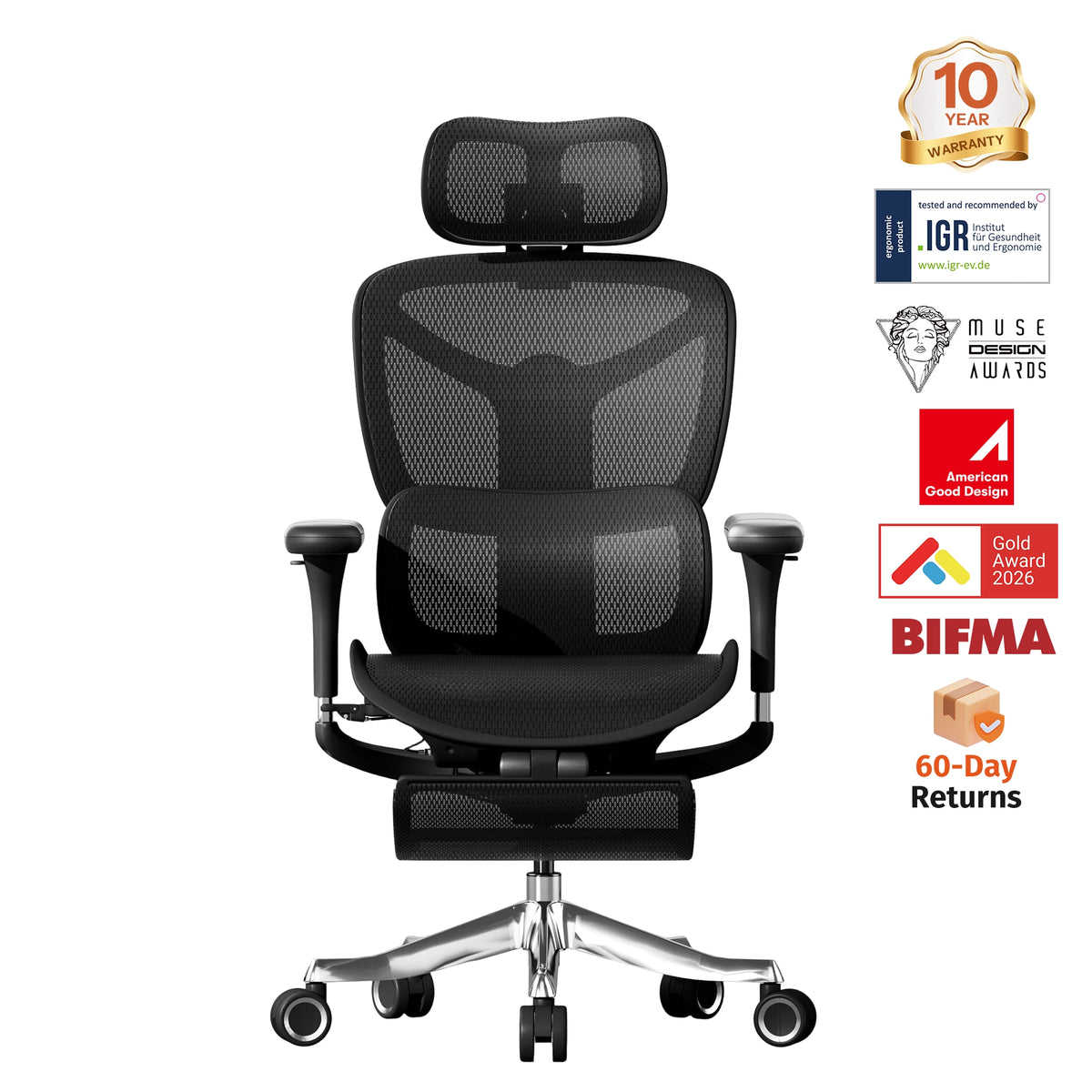
A growing trend is choosing a hybrid ergonomic chair that combines:
- Office-level lumbar support
- Gaming-level comfort
- Flexible reclining
- Breathable materials
This type of chair offers a balanced solution for both productivity and relaxation.
Common Mistakes to Avoid
Choosing Based on Looks Alone
A chair that looks great doesn’t guarantee comfort.
Ignoring Adjustability
A lack of adjustability can lead to poor posture over time.
Overlooking Long-Term Use
What feels comfortable for 30 minutes may not hold up for 8 hours.
Not Considering Your Primary Use
Work and gaming require different priorities—know which one matters more to you.
Final Thoughts: The Right Chair Matches Your Lifestyle
When it comes to gaming chair vs office chair, there’s no one-size-fits-all answer.
The best chair is the one that fits how you actually sit, work, and play.
If your day is mostly work-focused, prioritize ergonomics and structured support.
If you spend more time gaming, prioritize flexibility and comfort.
And if you do both, a hybrid approach may be your best option.
Because at the end of the day, the right chair doesn’t just support your body—it supports your focus, performance, and overall well-being.


Leave a comment
This site is protected by hCaptcha and the hCaptcha Privacy Policy and Terms of Service apply.